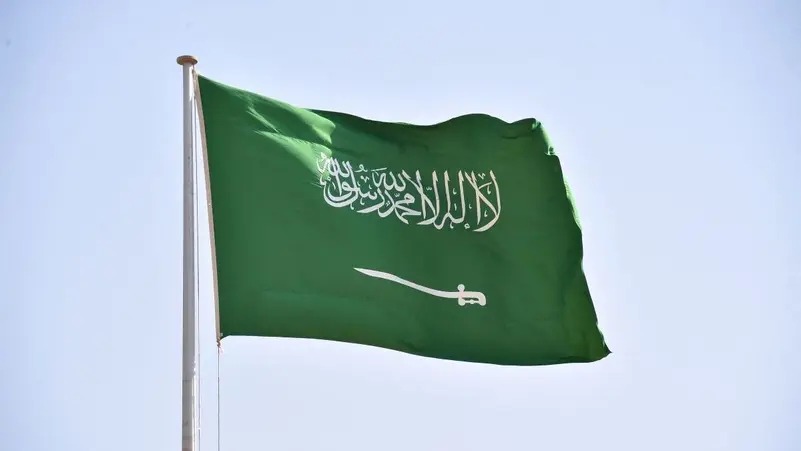
The regional power shift in Saudi Arabia isn’t just a change in policy; it’s a total reimagining of Riyadh’s role on the world stage. In 2026, we are seeing the “Pivot Point Theory” in full effect, where Saudi Arabia has moved from being a consumer of American security to a proactive producer of regional stability.
Riyadh has realized that relying solely on a U.S. security umbrella is no longer a viable long-term strategy, especially given the unpredictable nature of U.S. foreign policy. Instead, they’ve adopted a role of Strategic Substitution:
In mid-January 2026, when U.S. strikes on Iran seemed imminent, Riyadh (alongside Qatar and Oman) launched a massive diplomatic blitz to dissuade the Trump administration.
In a bold move that signaled independence from Washington, Riyadh directly assured Tehran that Saudi territory and airspace would not be used for any U.S. military action. This move essentially pulled the rug out from under any localized “quick strike” plans.
The Kingdom is positioning itself as the new global hub for high-stakes mediation—a role traditionally held by European cities like Geneva or Oslo. Saudi Arabia hasn’t just mediated regional issues; it has hosted high-level, direct meetings between the U.S. and Russia, and acted as a nexus for Ukraine-Russia peace talks.
Riyadh is using its potential “normalization” with Israel as a massive bargaining chip, not just with the U.S., but as a way to demand structural security guarantees that would stabilize the entire Levant.
The shift is driven by a cold, hard economic reality. Vision 2030 cannot succeed in a war zone. To attract the trillions in foreign investment needed for projects like NEOM, Saudi Arabia needs a “Zero Problems” foreign policy.
This explains the rapid “bilateral resets” with Lebanon, the reintegration of Syria into the Arab League, and the pragmatic détente with Iran. They are essentially trying to build a “firewall” around the Arabian Peninsula to protect their massive domestic investments.
Instead of picking a side in the burgeoning “Cold War 2.0,” Crown Prince Mohammed bin Salman (MBS) is playing all sides. Saudi Arabia’s entrance into the BRICS+ bloc has given it a seat at the table with China and Russia, allowing it to hedge against U.S. influence.
By partnering with Chinese firms on AI and 5G while maintaining U.S. defense ties, Riyadh is ensuring that no single global power holds the “off switch” to their economy.
In 2026, Riyadh is no longer a “client state.” It has become an indispensable structural hub. By positioning itself as the only player capable of talking to Washington, Tehran, Moscow, and Beijing simultaneously, Saudi Arabia has made it so that any major global move in the Middle East must now go through Riyadh first.