By Richard Benjamin
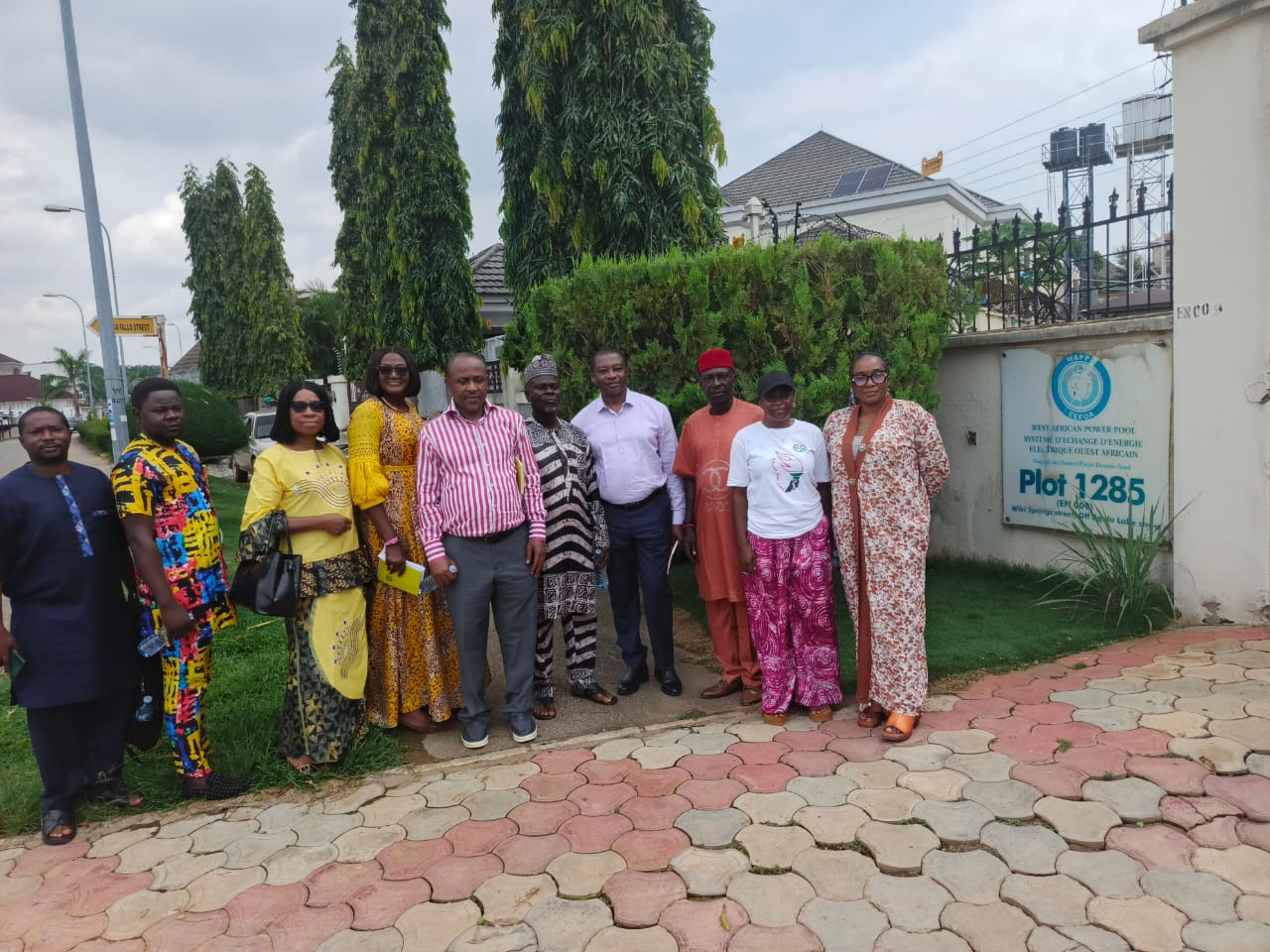
Natural Justice Nigeria on Saturday, July 18, called for stronger collaboration among communities, Civil Society Organisations (CSOs) and the West African Power Pool (WAPP) at a workshop in Abuja to accelerate clean energy expansion and ensure an inclusive energy transition across West Africa.
The organisation made the call at a two-day awareness and engagement workshop themed “Building Dialogue among Communities, Civil Society Organisations and the West African Power Pool.”
Speaking at the workshop, Mr Michael Karikpo, Country Manager of WAPP at Natural Justice Nigeria, said the initiative was designed to establish sustained dialogue on energy transition and infrastructure development.
Karikpo said the engagement would strengthen collaboration with WAPP’s Nigerian office, deepen public participation and build trust in national and regional energy cooperation.
He added that the initiative sought to mobilise support for new energy infrastructure, promote the protection of critical assets and enhance the environmental and social legitimacy of regional projects such as the Clean Energy Corridor and Mission 300.
According to him, the workshop would equip communities and CSOs with the knowledge and capacity to participate meaningfully in energy governance and support the rapid deployment of renewable energy infrastructure.
Karikpo said Nigeria was already experiencing a consumer-driven shift towards renewable energy, particularly solar and battery storage systems, as households and organisations sought alternatives to unreliable electricity supply from the national grid.
He attributed the trend to rising electricity tariffs, persistent power outages, increasing prices of petrol, diesel and cooking gas, as well as the declining global cost of solar technology.
According to him, the development has encouraged major businesses, educational institutions and public establishments to invest in independent renewable energy systems.
Citing data from London-based think tank Ember, Karikpo said Nigeria had about 800 megawatts of installed solar capacity in 2025. He added that more than 1,700 megawatts of solar panels were imported from China in the first quarter of 2026, with more than 1,200 megawatts imported in March alone.
Karikpo said the growing demand for clean energy systems was largely driven by consumers who had lost confidence in the ability of the national grid to provide reliable electricity.
He noted that telecommunication companies, universities, hospitals, manufacturing firms and even the nation’s seat of power, Aso Rock, were increasingly adopting independent renewable energy systems.
He, however, warned that the trend posed a major challenge to the national grid and electricity distribution companies, whose inefficient operations, opaque business models and slow adaptation had weakened consumer confidence.
According to him, many large businesses and manufacturers may not return to the national grid even if electricity supply improves. Karikpo observed that the high initial cost of solar systems remained a major barrier to adoption among low-income and vulnerable households.
He stressed the need for stronger institutions to coordinate the energy transition, ensure equitable access to clean energy and prevent vulnerable communities from being excluded.
According to him, WAPP remains central to regional energy integration through cross-border electricity trade, balancing supply and demand among member countries and facilitating the large-scale deployment of renewable energy.
He, however, said the effectiveness of the regional electricity market would depend not only on technical infrastructure but also on transparent and inclusive governance.
Karikpo said decision-making within WAPP remained largely dominated by state utilities and technical institutions, with limited opportunities for communities, CSOs and other stakeholders to participate in policy discussions.
He said the absence of structured channels for stakeholder engagement could limit diverse perspectives on environmental protection, social inclusion and community benefits.
“There is a need to strengthen institutions and governance systems to ensure that no one is left behind in the transition to renewable energy,” he said.
Also speaking, the Executive Director of the Electricity Consumer Protection Advocacy Centre, Mr Princewill Okorie, said the workshop sought to promote rapid clean energy expansion while ensuring that energy transition processes across West Africa remained inclusive, transparent and beneficial to citizens.
Okorie said meaningful engagement with communities and civil society organisations would improve public understanding of regional electricity initiatives and encourage greater ownership of clean energy projects.
Presenting a paper titled “Building Dialogue among Communities, CSOs and WAPP through Prevention of Electricity Crimes in Nigeria,” he identified electricity crimes as a major obstacle to the objectives of Nigeria’s electricity sector reforms.
According to him, research and advocacy activities conducted in southern Nigeria showed that electricity-related crimes were perpetrated by various stakeholders, including electricity distribution companies, consumers and electrical installers.
He said the offences affected virtually every segment of the electricity value chain, including power generation, transmission, distribution, metering and billing.
Okorie attributed the persistence of electricity crimes to weak institutional enforcement and inadequate attention by agencies responsible for regulation, consumer protection and crime prevention.
He called for stronger collaboration among government institutions, electricity operators, communities and civil society groups to address the challenge.
According to him, preventing electricity crimes is essential to improving service delivery, protecting consumers and creating a transparent and sustainable electricity sector capable of supporting Nigeria’s clean energy transition.
He urged policymakers and other stakeholders to strengthen accountability mechanisms, improve public awareness and encourage community participation in safeguarding electricity infrastructure and promoting responsible energy use.