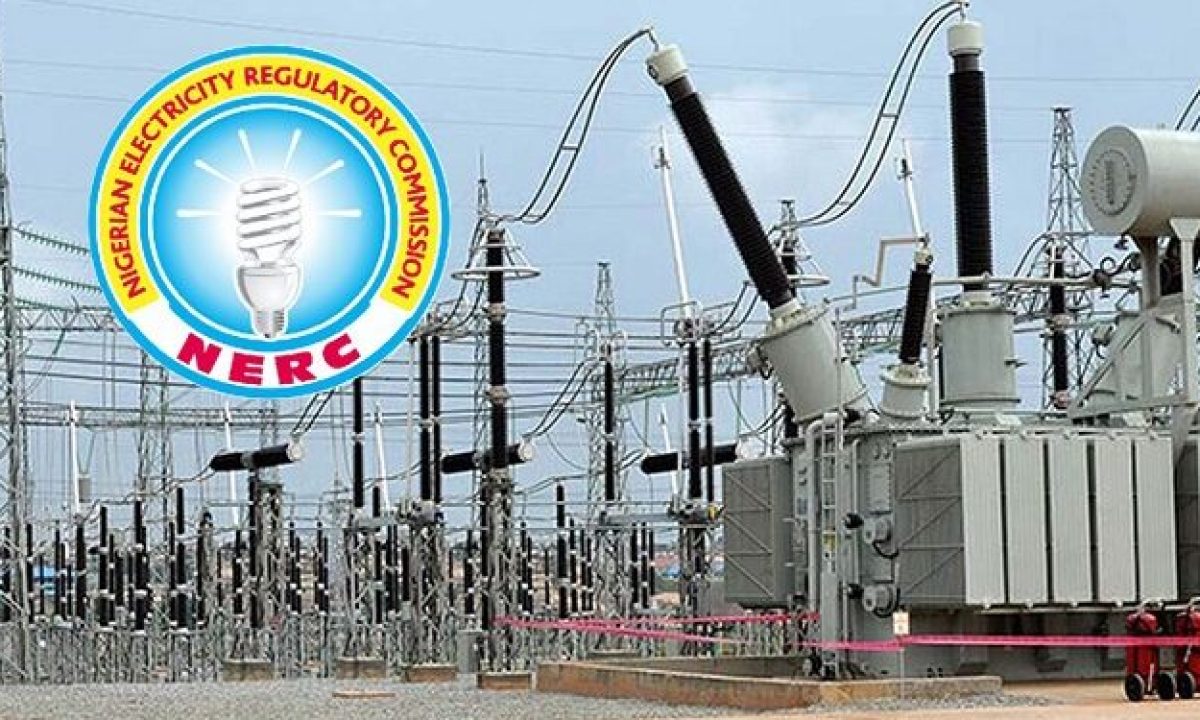
The Nigerian Electricity Regulatory Commission has approved a special compensation package for eligible Band A electricity customers affected by poor and inconsistent power supply caused by generation constraints on the national grid between February and March 2026.
The commission disclosed this in a public notice issued on Thursday through its official social media platforms, stating that the measure was introduced to address widespread complaints from customers who failed to receive the minimum electricity supply promised under the Band A tariff arrangement during the period under review.
According to NERC, the compensation directive followed significant generation shortfalls across the Nigerian Electricity Supply Industry, which severely affected the ability of electricity distribution companies to provide the guaranteed hours of supply expected by Band A customers.
The commission explained that it had consequently issued Directive No. NERC/2026/002 on the Special Compensation of Band A Customers Arising from Grid Generation Constraints as part of efforts to protect electricity consumers and ensure accountability within the power sector.
NERC stated that the decision was taken “in recognition of the significant generation shortfalls experienced across the Nigerian Electricity Supply Industry between February and March 2026, which affected the ability of distribution companies to meet the committed service levels for some Band A customers”.
Under the current electricity service-based tariff structure, Band A customers are expected to enjoy a minimum daily electricity supply threshold, making them among the highest-paying electricity consumers in the country. However, recurring grid challenges, generation limitations and transmission constraints reportedly disrupted supply to several feeders categorised under Band A during the first quarter of the year, leading to growing dissatisfaction among consumers and businesses.
Industry observers say the development reflects the persistent operational challenges confronting Nigeria’s electricity sector despite ongoing reforms and tariff adjustments aimed at improving service delivery. The commission noted that the special compensation package was designed to provide relief to affected customers who paid premium tariffs but did not receive the expected level of electricity supply during the affected period.
Although the regulator did not immediately disclose the exact compensation formula in the public notice, it indicated that the directive contains detailed guidelines on eligibility, implementation and obligations for electricity distribution companies. NERC stressed that the move demonstrates its commitment to fairness, consumer protection and regulatory oversight in the Nigerian power sector.
The commission also reaffirmed that electricity consumers are entitled to quality service corresponding to the tariff category under which they are billed, adding that distribution companies must remain accountable for service delivery commitments. Power sector analysts have described the directive as a significant regulatory intervention capable of strengthening consumer confidence in the electricity market, especially among customers who have repeatedly complained about paying high tariffs without receiving stable supply.
Many consumers across several parts of the country had earlier raised concerns over worsening power outages experienced between February and March despite being classified under Band A feeders. The outages were largely linked to generation shortages on the national grid, which affected the amount of electricity available for distribution nationwide.
Nigeria’s power sector has continued to grapple with multiple structural and operational challenges, including inadequate generation capacity, gas supply issues, transmission limitations, ageing infrastructure and recurring grid disturbances. Stakeholders have argued that while tariff reforms are necessary to attract investment into the sector, improved service delivery remains critical to sustaining public confidence and ensuring compliance by consumers.
The latest directive by NERC is therefore seen as part of broader efforts to balance ongoing reforms with consumer protection measures amid growing pressure on electricity providers. The commission urged distribution companies to strictly comply with the directive and ensure transparent implementation of the compensation mechanism for all eligible customers.
It also encouraged consumers to remain informed about their rights and report cases where service delivery fails to align with approved standards. Analysts believe the compensation initiative could set a new regulatory precedent in the Nigerian electricity industry by reinforcing the principle that customers should not bear the financial burden of service failures beyond their control.
As electricity demand continues to rise across the country, industry players have repeatedly called for accelerated investments in power generation, transmission and distribution infrastructure to reduce recurring outages and improve grid stability.
For many Nigerians, particularly businesses and households under premium tariff bands, the success of the new compensation policy will likely depend on how effectively it is implemented and whether it translates into improved accountability and more reliable electricity supply in the months ahead.