The NCDC’s move to preemptively tighten the borders highlights how crucial early surveillance is, especially when regional outbreaks (like those currently monitored in the Democratic Republic of Congo and Uganda) begin to escalate.
With a preparedness score sitting at 59%, there is a clear, acknowledged gap that the Federal Ministry of Health is trying to close quickly with these stricter airport and land border protocols.
Because Ebola symptoms (like fever and muscle pain) heavily overlap with common endemic illnesses in Nigeria like malaria and Lassa fever, the NCDC has mapped out vulnerability based on travel hubs.
Lagos, Abuja (FCT), Rivers, Kano, Enugu, Borno, Akwa Ibom, Cross River, Taraba, and Adamawa. These areas have been singled out due to international airports, active trade routes, or porous land borders.
States like Ogun, Nasarawa, Kaduna, and Oyo are also being integrated into the preparedness framework to prevent secondary spread.
The immediate goal of the stricter border screenings is to ensure rapid recognition. The core strategies being deployed include
Increased thermal screening and health declaration forms for international arrivals.
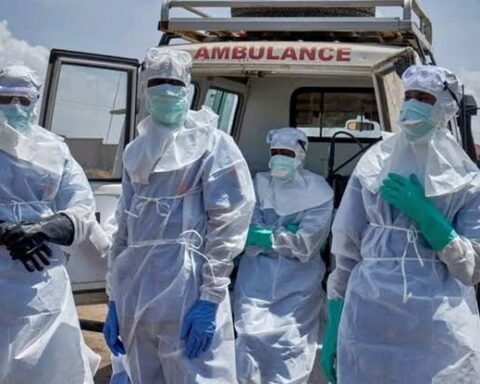
Healthcare workers are directed to maintain a “high index of suspicion” for febrile illnesses in patients with recent regional travel histories and by activating Public Health Emergency Operations Centres (PHEOCs) and distributing Personal Protective Equipment (PPE) to frontline health facilities.
While there are currently no confirmed cases of Ebola in Nigeria, the prompt policy response underscores the reality of modern global connectivity. Proactive defense is the only way to keep the risk of importation at bay.