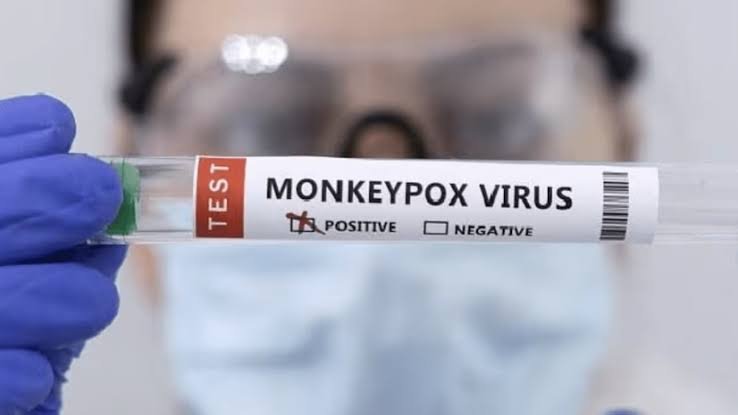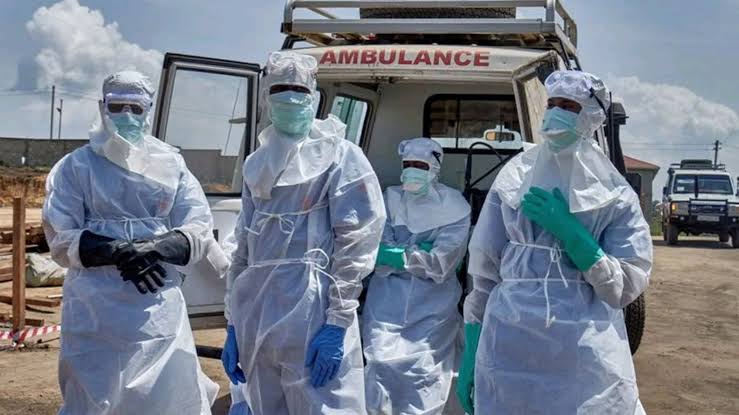
Several major political parties in Nigeria have firmly rejected calls for a blanket suspension of political rallies and campaign activities ahead of the 2027 general elections, following the recent confirmation of a reported Ebola case in the country.
The parties, speaking at separate press briefings and issuing formal statements on Sunday morning, October 25, 2026, in Abuja, urged the Federal Government to prioritize the issuance of clear, actionable public health guidelines over democratic restrictions.
All Progressives Congress (APC), Speaking from the APC National Secretariat in Abuja, National Director of Publicity Bala Ibrahim called for calm and urged political actors against politicising the public health threat.
Ibrahim noted that the Federal Ministry of Health and the Nigeria Centre for Disease Control (NCDC) had already issued safety advisories, emphasizing that campaigns could safely proceed under established health protocols without disrupting the electoral timetable.
African Democratic Congress (ADC), In a media briefing at the ADC National Headquarters, party spokesperson Ralph Nwosu expressed deep concerns that any move toward an outright campaign ban could be leveraged by the government to stifle opposition activities under the guise of an emergency response.
Social Democratic Party (SDP) & Nigeria Democratic Congress (NDC), Representatives from both parties released joint statements early Sunday afternoon, advocating for enhanced disease surveillance, screening at campaign venues, and improved public health infrastructure rather than shutting down political gatherings.
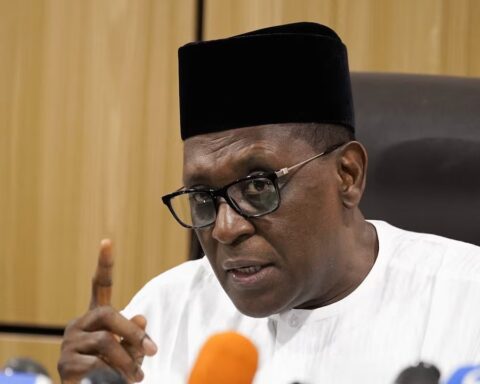
The political response follows a briefing held on Friday, October 23, 2026, at the Federal Ministry of Health in Abuja, where the Coordinating Minister of Health and Social Welfare, Prof. Muhammad Ali Pate, reassured the public that there was no immediate requirement to cancel mass political rallies, conferences, or large public gatherings.
Prof. Pate reaffirmed that the Federal Government and health authorities are actively quarantining contacts and monitoring high-risk groups while continuously evaluating safety protocols to protect citizens without unnecessarily stalling national democratic processes.