Nigeria’s telecommunications regulator has shifted focus toward enforcement and inter-agency coordination as it steps up efforts to secure critical digital infrastructure across the country.
The Nigerian Communications Commission (NCC) on Friday engaged the Nigeria Police Force in high-level talks aimed at strengthening the protection of telecom assets, amid growing incidents of vandalism and service disruptions nationwide.
Leading the delegation, NCC Board Chairman Idris Olorunnimbe and Executive Vice Chairman Aminu Maida met with the Inspector-General of Police, Olatunji Disu, at the Force Headquarters in Abuja, where both sides outlined a coordinated response to mounting security threats targeting the sector.
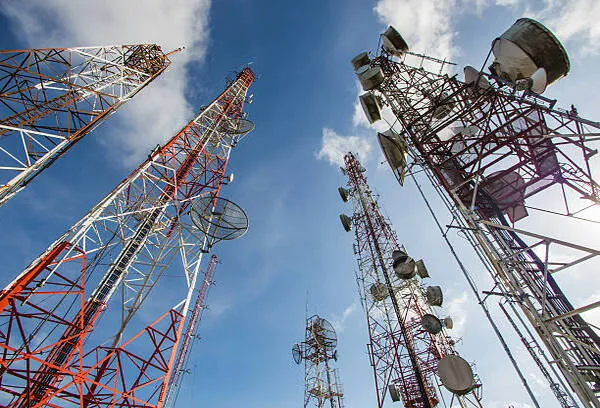
At the centre of the discussions was the enforcement of the Presidential directive designating telecommunications infrastructure as Critical National Information Infrastructure (CNII), a policy framework intended to shield essential communication systems from sabotage and criminal interference.
Olorunnimbe said the CNII classification provides legal backing to tackle offences such as fibre optic cuts, base station vandalism, and illegal access to network systems—issues that have increasingly disrupted telecom services and impacted economic activities.
From a regulatory standpoint, Maida emphasised the urgency of improving intelligence-sharing channels and emergency response mechanisms between operators, regulators, and law enforcement agencies.
He noted that seamless collaboration would be critical to maintaining service reliability for businesses and consumers.
Responding, Disu pledged the full support of the police in enforcing existing laws and intensifying surveillance and rapid response operations to deter attacks on telecom infrastructure.
He also signalled readiness to deploy more proactive strategies to safeguard national assets.
Beyond infrastructure protection, both parties explored how telecommunications technology could enhance broader security operations, including crime detection, intelligence gathering, and emergency response systems across the country.
The engagement underscores a growing recognition within government circles that safeguarding digital infrastructure is central not only to economic stability but also to national security, as Nigeria deepens its reliance on telecommunications for commerce, governance, and daily life.