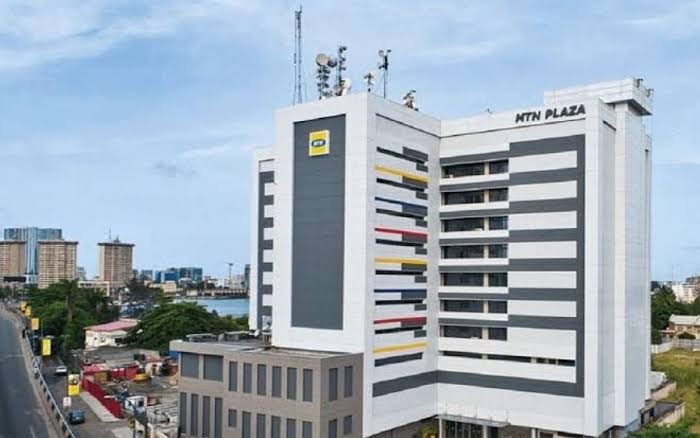
MTN Group plans to establish a large data centre in Nigeria to strengthen the country’s capacity to host sensitive digital information locally.
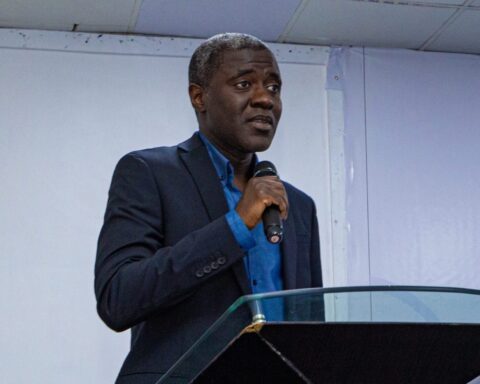
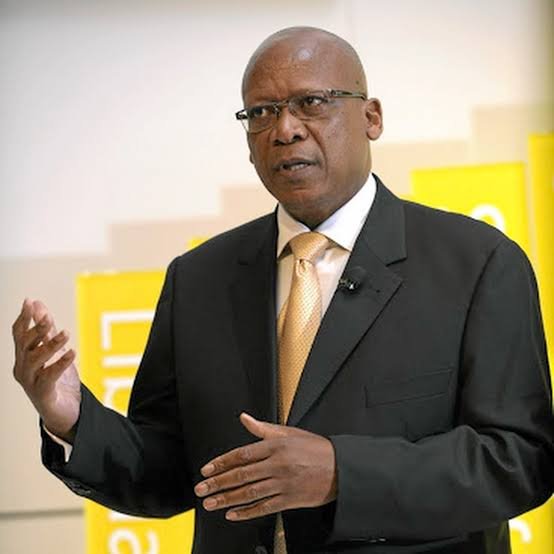
Group President and Chief Executive Officer Ralph Mupita disclosed this on Wednesday during a fireside chat with MTN Media Innovation Programme (MIP 5) fellows in Lagos.
He said the proposed facility would support Nigeria’s growing data sovereignty needs as governments and businesses increasingly prioritised local data storage.
“One of the questions we are considering is whether to build our own data centres in Nigeria. We have an aspiration to establish a large data centre in the country to help meet Nigeria’s sovereign data needs,” he said.
Mupita said global discussions on data sovereignty increasingly favoured keeping sensitive digital workloads within national borders, particularly in banking, healthcare and national security.
He said a hybrid approach could combine local hosting for sensitive information with public cloud services for less sensitive workloads.
According to him, the appropriate arrangement would depend on individual countries’ needs and regulatory requirements.
Mupita said MTN planned to accelerate investment in Nigeria’s digital infrastructure over the next five years, citing the country’s growth prospects.
He identified fibre connectivity to homes and businesses as a major opportunity, predicting rising demand for data and high-capacity internet services.
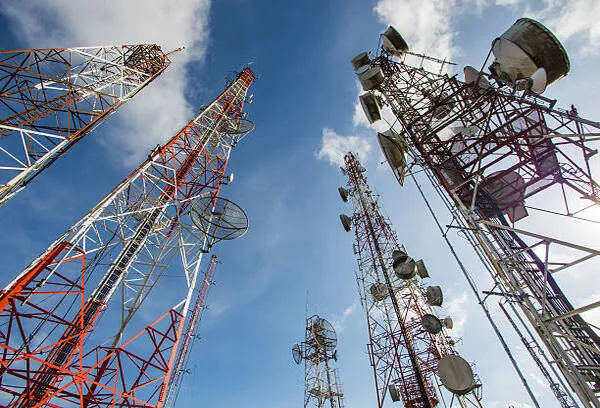
The MTN chief also stressed the need to protect critical digital infrastructure, including fibre-optic networks and data centres, from disruptive incidents.
He identified fibre cuts as a persistent challenge to network quality, warning that damaged cables could disrupt household connectivity and essential services.
Mupita said he had discussed the impact of fibre cuts on service quality with the Executive Vice-Chairman of the Nigerian Communications Commission (NCC) in Abuja.
He noted that growing dependence on digital systems in banking, healthcare and other essential sectors made stronger infrastructure protection increasingly important.
On digital inclusion, Mupita identified device affordability as a major barrier to internet access and participation in the emerging artificial intelligence economy.
He warned that rising smartphone prices could prevent more Africans from accessing internet-based services and emerging AI technologies.
He said affordable digital devices were essential to ensuring Africans could participate meaningfully in the AI-driven economy.
Mupita also called for greater collaboration among telecommunications operators and other stakeholders to increase African language representation in AI systems.
He warned that the underrepresentation of African languages on digital platforms could limit the usefulness of AI technologies to millions across the continent.
Mupita, vice-chairman of the GSM Association (GSMA), said industry collaboration was necessary to ensure technological progress did not deepen existing digital inequalities.
He reaffirmed MTN’s commitment to media development, describing journalism as an important pillar of democracy and societal development.
Mupita commended journalists for their work and highlighted the MTN Media Innovation Programme’s role in strengthening media capacity.