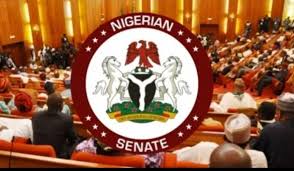
The Senate of Nigeria and the House of Representatives of Nigeria on Thursday passed the N2.285 trillion 2026 budget proposal for the Federal Capital Territory Administration (FCT), paving the way for the implementation of major infrastructure and administrative projects in the nation’s capital. The approval came after deliberations by lawmakers on the appropriation bill earlier presented to the National Assembly by Bola Ahmed Tinubu in March.
The approved figure represents an increase of N84 billion above the initial N2.201 trillion proposal submitted by the President. Breakdown of the budget showed that N165.775 billion was earmarked for personnel costs, while N378.231 billion was allocated for overhead expenditure. The largest portion of the budget, amounting to N1.741 trillion, was designated for capital projects, reflecting the administration’s emphasis on infrastructure expansion, urban development and completion of ongoing projects within the Federal Capital Territory.
The budget is expected to cover the fiscal period from January 1 to December 31, 2026. Despite the passage of the appropriation bill, concerns emerged during legislative consideration over the absence of detailed revenue sources expected to fund the massive expenditure plan. Senators eventually approved the proposal without the required revenue profile, a development that has generated debate among financial analysts and public policy observers. Some analysts warned that approving a budget without a clearly outlined funding framework could create implementation challenges and raise questions about fiscal sustainability. Others, however, argued that the FCT Administration may rely on internally generated revenue, statutory allocations and support from the federal government to execute the budget.
The passage of the budget is expected to provide fresh momentum for ongoing development projects across Abuja and satellite towns, including road construction, transportation infrastructure, health facilities, water supply projects and educational development programmes. Lawmakers said the increase in the capital allocation reflected the need to address rapid urban expansion and growing infrastructure demands in the Federal Capital Territory. During deliberations, members of the National Assembly reportedly stressed the importance of ensuring transparency and accountability in the implementation of the budget.
They also urged the FCT Administration to prioritise projects capable of directly improving the welfare of residents and boosting economic activities in the territory. Meanwhile, the House of Representatives also approved the N1.75 trillion 2026 budget of the Niger Delta Development Commission (NDDC). The approval of the NDDC spending plan is expected to support development initiatives across oil-producing communities in the Niger Delta region. The commission has responsibility for implementing projects relating to roads, education, healthcare, youth empowerment, environmental remediation and community development in the region.
Lawmakers emphasised the need for proper monitoring of NDDC projects to ensure that funds appropriated for the intervention agency translate into meaningful development for host communities. The National Assembly also called for improved project execution and greater accountability in the management of public resources by the commission. The passage of both budgets comes amid growing expectations from Nigerians for increased investment in infrastructure, job creation and economic development.
Economic experts say the size of the FCT budget reflects the strategic importance of Abuja as the nation’s capital and administrative centre. They noted that the heavy concentration on capital projects could help stimulate economic activities, create employment opportunities and improve public services if properly implemented. However, some observers expressed concern about the increasing size of public sector budgets at a time when the country continues to face revenue pressures, rising debt obligations and inflationary challenges.
The development has also renewed conversations around fiscal discipline, efficient project delivery and prudent management of government resources. Residents of the Federal Capital Territory are expected to closely monitor implementation of the approved projects, especially in areas where infrastructure deficits and urban pressures remain significant. Stakeholders in the Niger Delta region are equally expected to watch how the NDDC deploys the approved funds toward addressing longstanding developmental and environmental challenges affecting oil-producing communities.
With legislative approval now secured, attention is expected to shift to implementation, monitoring and oversight to ensure that the appropriated funds deliver tangible benefits to citizens and communities across the country.