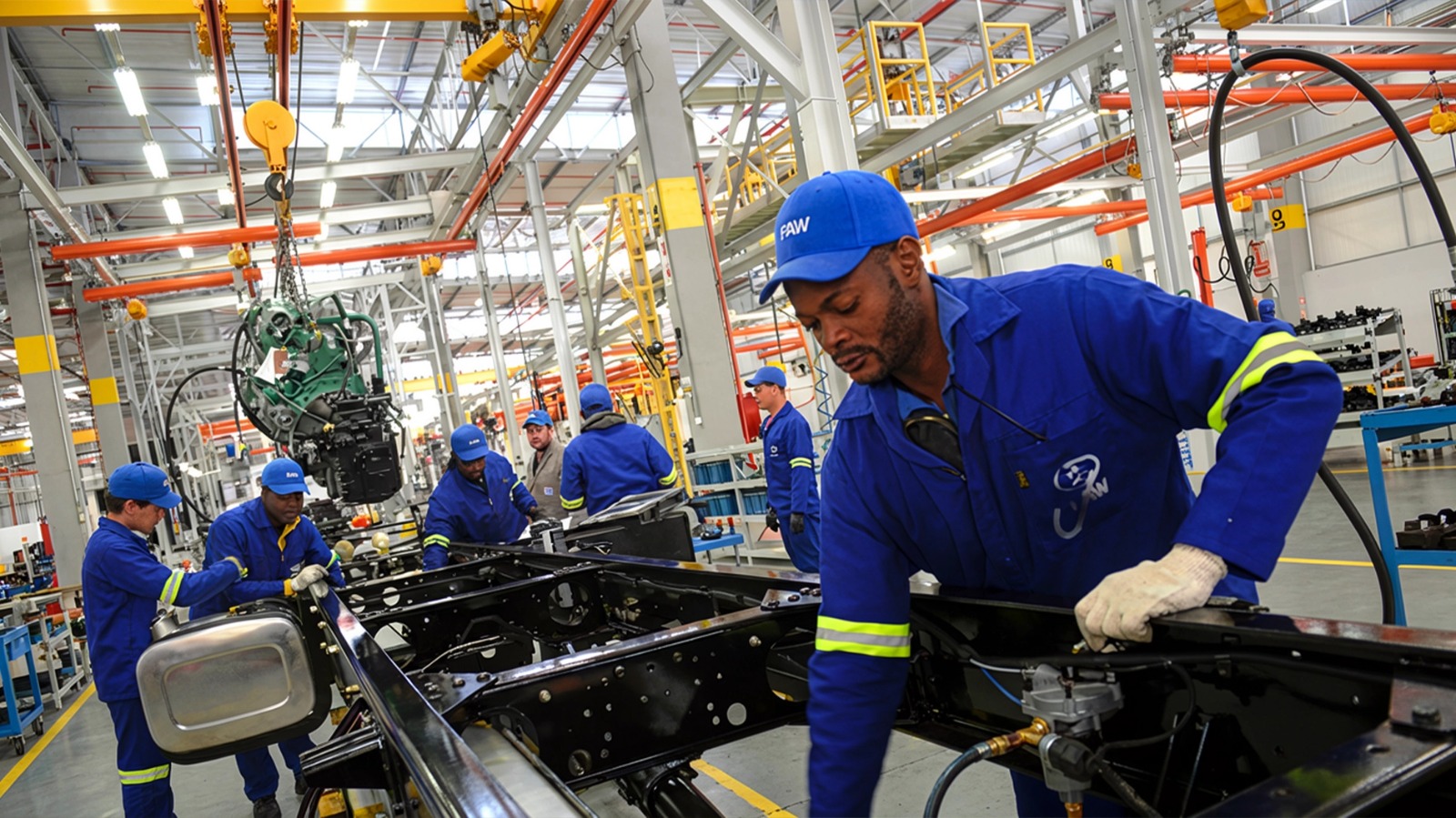
Nigeria’s manufacturing sector recorded a 3.2 per cent year-on-year real growth in the second quarter of 2026, doubling the 1.6 per cent expansion posted in the corresponding period of 2025. The rebound reflects improving industrial activity, relative exchange-rate stability, and a gradual moderation in inflationary pressures across the domestic economy.
According to the Q2 2026 Gross Domestic Product report published by the National Bureau of Statistics at its Abuja headquarters, real manufacturing output reached approximately ₦4.13 trillion during the three months ended June 2026, with an exact growth rate of 3.24 per cent.
While overall national GDP expanded by 4.43 per cent year-on-year, marking its fastest pace since the first quarter of 2022, manufacturing’s direct contribution to real GDP edged slightly down to 7.72 per cent from 7.81 per cent recorded in Q2 2025.
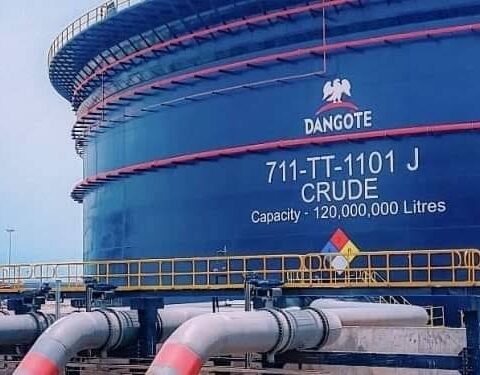
A closer look at the data, released under the supervision of the Statistician-General of the Federation, Semiu Adeyemi Adeniran, reveals that the sector’s upward trajectory was heavily propelled by strong rebounds in heavy industry and domestic processing. Oil refining led the charge with a dramatic 43.94 per cent surge year-on-year, buoyed by increased domestic refining capacity.
Cement production followed with a robust 12.75 per cent expansion on the back of ongoing infrastructure and construction activity, while the chemical and pharmaceutical products sub-sector grew by 7.70 per cent as local supply chains stabilized. Conversely, the textiles, apparel, and footwear segment remained a drag on the broader industry, contracting by 1.23 per cent amid lingering energy and input cost challenges.
Reacting to the figures during an industrial engagement and media briefing in Lagos earlier this quarter, the Director-General of the Manufacturers Association of Nigeria, Segun Ajayi-Kadir, noted that while the uptick in growth is welcome, the sector still trails overall economic expansion.
Addressing stakeholders at the MAN Export Promotion Group forum in Ikeja, Lagos, Ajayi-Kadir warned that the high cost of energy, finance, transportation, and multiple taxes continues to inflate factory-gate prices and erode export competitiveness, urging authorities to translate recent macroeconomic stability into lower borrowing rates and reliable power supply.
Offering a broader macroeconomic perspective during a morning economic review in Lagos on Monday, November 16, 2026, the Chief Executive Officer of the Centre for the Promotion of Private Enterprise, Dr. Muda Yusuf, described the 3.24 per cent expansion as a clear sign of underlying resilience.
Yusuf noted that although current growth rates have moderated compared to pre-reform peaks, they confirm that productive activity is expanding and could respond even more strongly to a reduction in structural costs. He added that the steady moderation in headline inflation toward the 15.4 per cent mark is expected to provide further relief to businesses and households while enabling manufacturers to plan production more effectively.
Meanwhile, the Minister of State for Industry, Trade and Investment, Senator John Enoh, reaffirmed the Federal Government’s commitment to bridging the industrial financing gap.
Speaking during an inspection tour at African Foundries Limited in Ogun State and subsequent Industrial Revolution Work Group sessions in Abuja, Enoh emphasized that Nigeria cannot achieve full industrialisation until manufacturing growth consistently outpaces headline GDP growth, highlighting recent government initiatives that mobilized $380 million in targeted funding to transition industrial policy into active execution.