The Lagos State Government has intensified its technology-driven traffic management strategy with the detection of 737,340 traffic violations through Automated Number Plate Recognition cameras installed across the state.
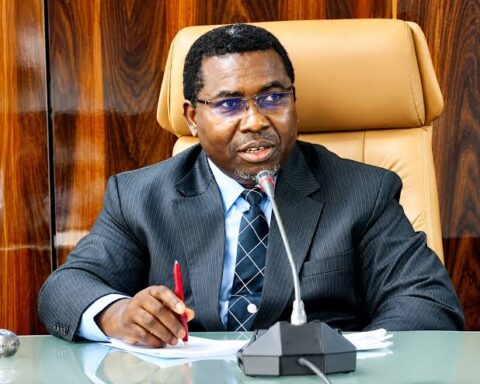
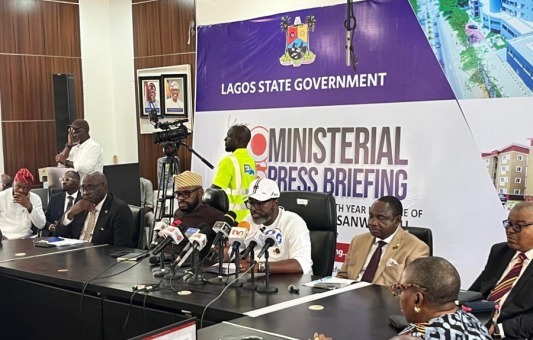
The Commissioner for Transportation, Oluwaseun Osiyemi, disclosed this during the ministerial press briefing marking the third anniversary of the second term administration of Governor Babajide Sanwo-Olu.
Osiyemi said the state government had continued to expand the use of intelligent transport systems and digital surveillance infrastructure as part of efforts to improve traffic regulation, road safety and operational efficiency across Lagos.
According to him, the deployment of Automated Number Plate Recognition technology has transformed traffic monitoring and enforcement by enabling authorities to detect violations in real time and ensure greater compliance with road traffic laws.
He explained that the technology-driven initiative forms a critical component of the state’s smart city transportation agenda, designed to reduce human interference in traffic enforcement while enhancing transparency and accountability in the system.
The commissioner stated that the 737,340 traffic violations captured within the review period reflected both the scale of road usage in Lagos and the government’s determination to address persistent traffic infractions through modern digital solutions.
He noted that the intelligent cameras had been strategically positioned at key locations and traffic corridors across the state to monitor vehicle movement, identify offending motorists and improve traffic flow in heavily congested areas.
Osiyemi added that the introduction of digital enforcement systems had strengthened the capacity of traffic management authorities to detect offences such as speeding, illegal parking, traffic light violations, lane indiscipline and other road infractions that contribute to congestion and accidents.
He stressed that the adoption of smart traffic technology was already yielding positive results by discouraging reckless driving behaviour and encouraging motorists to obey traffic regulations.
The commissioner further explained that the state government remained committed to leveraging technology to modernise transportation management and build a safer, more efficient road network for residents.
According to him, Lagos, being Nigeria’s commercial hub with a rapidly growing population, requires innovative and data-driven approaches to effectively manage its transportation challenges.
He said the government’s investment in intelligent transport infrastructure was aimed at creating a seamless mobility system capable of supporting economic growth and reducing the productivity losses associated with heavy traffic congestion.
Osiyemi also highlighted other achievements recorded by the transportation ministry under the current administration, including improvements in road transport infrastructure, expansion of traffic management operations and enhancement of public transportation systems.
He noted that the ministry had continued to strengthen collaboration with relevant agencies to ensure better coordination in traffic control, emergency response and road safety enforcement across the state.
The commissioner assured residents that the government would continue upgrading digital monitoring systems and deploying additional smart technologies to further improve transportation services in Lagos.
He urged motorists and road users to comply with traffic laws and cooperate with enforcement authorities, warning that violations captured by the Automated Number Plate Recognition system would attract penalties in accordance with existing traffic regulations.
Osiyemi maintained that technology-based enforcement was not intended to punish motorists unnecessarily but rather to encourage responsible road usage and reduce the frequency of avoidable accidents and gridlock.
Stakeholders in the transportation sector have described the initiative as a significant step towards modernising traffic administration in Lagos, noting that digital surveillance systems have become increasingly important in managing transportation networks in major cities around the world.
Residents and commuters have also expressed mixed reactions to the growing use of automated enforcement technology, with some praising the initiative for improving orderliness on the roads, while others called for increased public sensitisation to ensure motorists fully understand the new system.
Analysts believe the expansion of intelligent traffic management infrastructure could help Lagos tackle some of its long-standing transportation problems if properly implemented and sustained.
The latest figures released by the state government further underscore Lagos’ push toward becoming a technology-driven megacity where digital innovation plays a central role in governance, public safety and urban mobility management.