The International Monetary Fund (IMF) has raised a red flag over the Tinubu administration’s plans to secure a $5 billion financing package from a United Arab Emirates (UAE) lender, warning that the complex arrangement could expose the country to hidden economic risks.
The federal government recently approached the National Assembly to seek approval for a $5 billion Total Return Swap (TRS) agreement with the First Abu Dhabi Bank. According to government sources, the upfront funding is intended to bankroll critical infrastructure projects tied to the 2026 budget and refinance existing high-cost domestic debts.
Unlike traditional loans, a Total Return Swap is a sophisticated derivative-based financing program. Under the proposed structure, Nigeria receives $5 billion in cash from the First Abu Dhabi Bank. The funding is backed by Naira-denominated securities and the UAE lender receives exposure to the total economic performance and returns of those Nigerian assets over the duration of the swap.
While the administration views the TRS as a strategic move to inject liquidity into the economy without immediately worsening traditional debt statistics, international financial watchdogs are urging extreme caution.
Christian Ebeke, the IMF’s resident representative in Nigeria, publicly counseled the federal government against proceeding with the deal, pointing to the inherent complexities of derivative-driven sovereign finance.
”These types of derivative transactions are often complex and lack transparency, making it difficult to fully evaluate hidden costs and long-term risks to the nation’s balance sheet,” the IMF warned.
The fund further argued that Nigeria’s recent, painful macroeconomic reforms have successfully stabilized key sectors of the economy, ironically granting the country access to much safer financial markets.
Instead of entering into opaque swap agreements with commercial Middle Eastern banks, the IMF is urging the Tinubu administration to utilize more transparent, traditional financing channels such as issuing standard Eurobonds or seeking concessional loans from multilateral institutions.
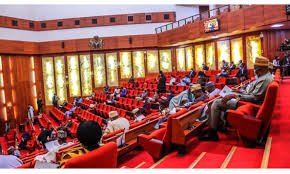
The warning places fresh scrutiny on the National Assembly, which must now weigh the executive’s urgent need for 2026 budget funding against the IMF’s stark warnings of long-term fiscal entrapment.
As debate opens in the legislature, the administration faces growing pressure to justify why it is pursuing a complex derivative deal over conventional international borrowing methods.