Nigeria’s small and medium-sized enterprises (MSMEs), the main engines of national job creation remain largely shut out of formal bank financing, even as the country’s banking system expands and macroeconomic stability improves, the World Bank warned on Tuesday.
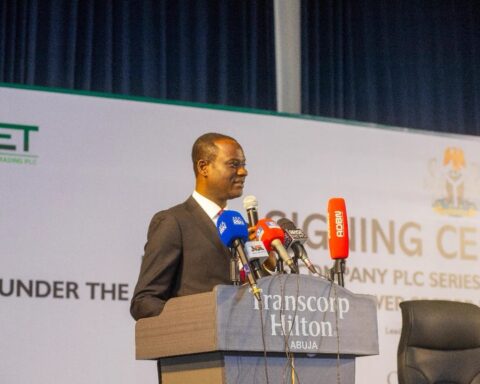
The warning was delivered on Tuesday, September 8, 2026, during the opening session of the 19th Annual Banking and Finance Conference, organized by the Chartered Institute of Bankers of Nigeria (CIBN) at the Transcorp Hilton Hotel in Abuja.
Speaking at the event, Bertine Kamphuis, Senior Private Sector Specialist at the World Bank, who delivered remarks on behalf of World Bank Country Director for Nigeria, Ndiame Diop, and Lead Economist Mathew Verghis highlighted a severe disconnect between the financial sector’s growing balance sheets and the real economy.
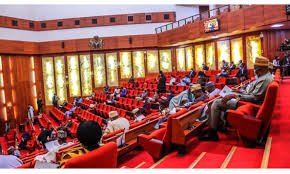
President Bola Tinubu also addressed the conference, urging financial institutions to move beyond balance-sheet growth and channel capital directly toward productive sectors that generate employment.
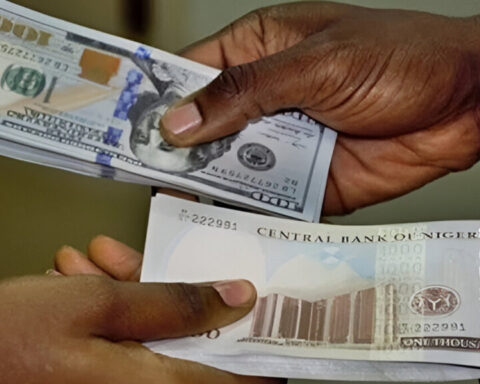
While Nigeria’s macroeconomic indicators show signs of recovery with the naira holding around ₦1,300/$1, inflation easing from 33% to roughly 16%, and recent banking recapitalisation exercises pushing banking assets to $160 billion, the vast majority of businesses cannot access formal credit.
“The challenge is not a shortage of capital in the financial system, but rather how that capital is allocated,” Kamphuis explained. She noted that while domestic private-sector credit rose to ₦83.43 trillion in July 2026, domestic credit to the private sector still hovers at just 13% of GDP.
Key points raised by the World Bank representative include; Fewer Than 1 in 20 MSMEs Financed, which is less than 5% of small and medium enterprises have access to formal bank loans or lines of credit, forcing nearly nine out of 10 enterprises to operate informally.
A critical structural gap persists where mid-sized, high-growth businesses are too large for microfinance institutions yet lack the collateral or risk profile to meet strict commercial bank lending criteria.
MSMEs receive roughly 1% of total bank credit, while agriculture receives approximately 6%, despite these sectors accounting for the bulk of employment.
Beyond banking assets, Nigeria holds $23 billion in pension fund assets and $35 billion in the insurance sector. The World Bank stressed that these long-term funds must be channeled toward infrastructure, which faces a $100 billion annual deficit, as well as manufacturing, energy, and transport.
The World Bank called on Nigerian commercial banks and Development Finance Institutions (DFIs) to adopt risk-sharing mechanisms, leverage alternative credit-scoring tools, and move beyond low-risk government debt securities to finance the real economy.