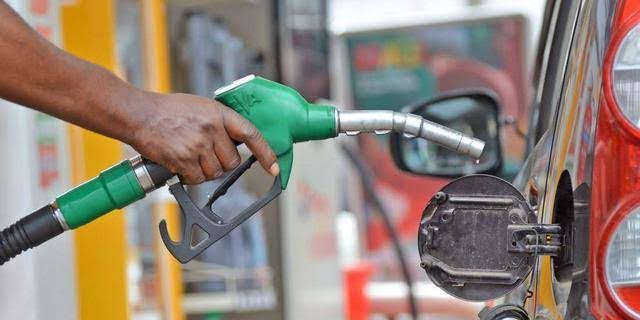
Motorists, transport operators, and consumer rights advocates gathered at the Labour House in Central Business District, Abuja, at 10:00 AM on Sunday, August 30, 2026, to express deep concerns over the persistent volatility of petrol pump prices across Nigeria.
The public outcry follows recent adjustments by domestic refiners and local marketers that pushed retail petrol prices to between ₦1,250 and ₦1,300 per litre in key metropolitan areas, including Lagos and Abuja.
Stakeholders urged the Federal Government and the Nigerian Midstream and Downstream Petroleum Regulatory Authority (NMDPRA) to intervene with stabilizing mechanisms to protect households from severe inflationary pressures.
Speaking during the briefing, Chinedu Ukadike, National Publicity Secretary of the Independent Petroleum Marketers Association of Nigeria (IPMAN), highlighted the dilemma facing retail operators and consumers.
”We are facing continuous volatility in the market caused by foreign exchange fluctuations and unpredictable international oil pricing,” Ukadike stated. “Independent marketers and everyday Nigerians are bearing the brunt of these price swings.
Every adjustment directly translates into higher transportation fares and food inflation, making business planning nearly impossible.”
Industry leaders pointed out that despite the operational presence of major local refining capacity, notably the Dangote Petroleum Refinery, which adjusted its PMS gantry price to ₦1,265 per litre this week, downstream retail prices remain exposed to broader market shocks.
Addressing newsmen at a separate forum in Abuja on Saturday afternoon, Eche Idoko, Publicity Secretary of the Crude Oil Refinery-owners Association of Nigeria (CORAN), argued that reliance on local refining alone cannot insulate the market without systemic policy fixes.
”Pump prices are driven not only by refining capacity, but also by crude supply pricing, foreign exchange pressure, and heavy downstream distribution costs,” Idoko noted.
He urged the Federal Government to establish structured, predictable naira-denominated crude allocations across all domestic refineries, including modular plants, and to tackle distribution bottlenecks to reduce end-user costs.
In response to growing public frustration, NMDPRA Spokesperson George Ene-Ita reiterated that pump prices remain subject to market forces within Nigeria’s deregulated downstream framework.
”The variations observed across retail outlets reflect ongoing market dynamics under deregulation,” Ene-Ita stated from the agency’s headquarters in Abuja. “The regulator’s role is to ensure fair competition, quality control, and supply security while allowing demand and supply to dictate pricing.”
Despite regulatory assurances, civil society organisations and labor representatives announced plans to submit an official policy advisory to the Ministry of Petroleum Resources on Monday, demanding immediate fiscal measures to cap distribution tariffs and stabilize domestic fuel costs.