The Association of Early Childhood and Basic Education Instructors in Nigeria (AECBEIN) has called on the Federal Government to intensify nationwide sensitisation on the implementation of the 1-9-3-4 education policy.
The President of the association, Mr Sunday Fowowe, made the call in an interview with the News Agency of Nigeria (NAN) on Tuesday in Lagos.
He said the structure would protect parents from exploitation and strengthen Nigeria’s education system.
Fowowe urged education stakeholders to fully recognise and comply with the education policy adopted by the National Council on Education in 2013.
Fowowe said that in spite of the adoption of the framework more than a decade ago, many parents, schools, employers and education stakeholders still lacked adequate understanding of the policy and its implications.
According to him, the lack of awareness has encouraged persistence of unnecessary examinations, unlawful charges and exploitative practices against parents and pupils.
He explained that the 1-9-3-4 education structure consisted of one year of early childhood care and development education.
He also said that it consisted of nine years of compulsory basic education, three years of senior secondary education and four years of university education.
Fowowe noted that the nine years of basic education covered lower basic, middle basic and upper basic education, describing it as a continuous and uninterrupted programme.
He said that under the arrangement, transition from primary six to Junior Secondary School (JSS) One should be based on continuous assessment and internal school processes rather than common entrance examinations.
“Consequently, the continued use of common entrance examinations for movement from Primary Six to JSS1, particularly within the same school system, contradicts the spirit and objectives of the policy,” he said.
Fowowe also said that the traditional Primary School Leaving Certificate lost its academic relevance under the structure.
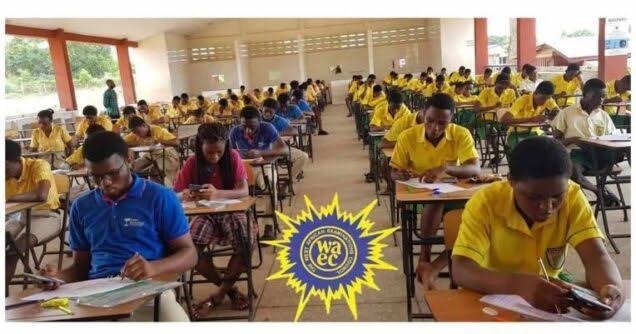
He said that the major recognised certification point within the basic education cycle should be the Basic Education Certificate Examination conducted at the end of JSS3.
The educationist alleged that many parents were still being compelled to pay for common entrance registration fees, extra coaching classes and issuance of primary school leaving certificate.
It described such practices as avoidable financial burdens on families and a violation of the objectives of the national education policy.
He urged the Federal Ministry of Education, state ministries of education and state universal basic education boards to strengthen public awareness on the implementation of the policy.
“The association also called for effective coordination of pre-primary, primary and junior secondary education under basic education administration, promotion of the Basic Education Certificate Examination (BECE) as the recognised assessment point, and stricter monitoring of exploitative school practices.”
Fowowe appealed to recruitment agencies and employers to align documentation requirements with current educational reforms by placing emphasis on BECE results and secondary school credentials instead of Primary School Leaving Certificate.
He advised parents to seek clarification from schools on compliance with the 1-9-3-4 education policy, question unnecessary educational charges and report exploitative practices to relevant authorities.
Fowowe appealed to the minister of education to intensify nationwide public enlightenment campaigns on the implementation through the mass mediato achieve the desired goal.