By Peter Okolie
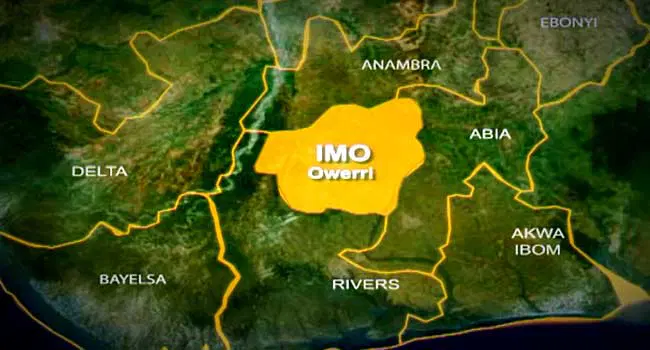
The Orluzurumee Youth Assembly, a socio-cultural organisation in Imo West Senatorial District has released its legislative scorecard evaluating elected lawmakers representing the district from 2023 to 2026 to promote civic accountability.
The National President of the group, Mr Izunna Obiefule, who read the assessment report on Sunday, said the evaluation served as a constructive civic initiative, rather than an instrument of political persecution.
“The adoption of this report is not intended to ridicule, embarrass or persecute any individual,” Obiefule said, emphasising that public office remained a sacred public trust.
According to him, lawmakers were graded on legislative participation, accessibility, transparency, responsiveness to community needs, oversight functions, and tangible youth empowerment initiatives within their constituencies.
He said the group rated the Deputy Speaker of the Imo House of Assembly, Mr Amara Iwuanyanwu, as the best-performing lawmaker in the state assembly, while Mr Udeze Okechukwu, representing Ideato North, received the lowest score.
In the House of Representatives category, he said Rep. Ikenga Ugochinyere, representing Ideato North and South Federal Constituency, emerged as the top performer, while Rep. Canice Nwachukwu, representing Orlu, Orsu and Oru East Federal Constituency, was ranked the worst-performing representative.
He added that Sen. Osita Izunaso, representing Imo West Senatorial District, scored 50 out of 100, earning what he described as a “minimal pass”.
According to him, these scores are neither a verdict on the worth of any individual nor an endorsement of any political interest, but reflects constituent feedback.
Obiefule said the report revealed widespread constituent concerns regarding inadequate community engagement, limited public accountability, poor communication of legislative activities, and insufficient local empowerment programmes across the senatorial zone.
The president urged underperforming representatives to utilise the assessment as a practical pathway to deepen public trust, expand local initiatives, and embrace greater legislative transparency.
Earlier, the Chairman of the Legislative Performance Assessment Committee, Mr Achi Nnamdi, explained that while lawmakers sponsor bills, legislative success must be measured by how visibly public service impacts ordinary human lives.
“Our vision is an Orlu Zone where legislators regularly engage their constituents, communicate their legislative activities, and attract development projects.”
He noted that the committee discovered a major disconnect between several lawmakers and the communities they represent, leading to the high number of failing grades in the report.
Nnamdi stressed that “democracy does not end on election day,” noting that good governance required informed citizens, who constantly monitor public institutions and hold elected leaders accountable with facts.
The chairman emphasised that the assessment established an enduring tradition of civic accountability that would encourage future excellence in public service and deepen democratic governance across the entire region.
Nnamdi further said that the committee carefully reviewed legislative records, constituency activities, public engagements, and the real impact of lawmakers on local communities.
“The committee also undertook field visits, project verification exercises, media engagements, and community-based assessments,” Nnamdi said.
He said that the physical inspections and stakeholder consultations across the 12 Local Government Areas ensured that the final rankings remained completely objective, balanced, and strictly evidence-based.
The chairman expressed confidence that the comprehensive report would serve as a valuable national resource for policymakers, future leaders, and citizens seeking to strengthen democratic accountability.
Nnamdi commended the assembly’s national leadership for the opportunity, expressing deep appreciation to the civil society groups and media partners who aided the successful investigation.
However, he outlined specific recommendations for lawmakers, emphasising a practical pathway toward stronger representation, increased legislative visibility, and significantly improved service delivery across the zone.
“We urge those whose performance fell below public expectations to regard this report as a constructive call to deepen engagement with their constituents,” Nnamdi urged.
He recommended that elected officials immediately expand their local empowerment initiatives and prioritise transparent, regular communication regarding their ongoing legislative activities with the public.
The further advised citizens to use the scorecard as a vital reference guide to peacefully hold leaders accountable during subsequent electoral cycles.