This strategic pivot reflects a high-stakes effort to decouple Nigeria’s food security from the persistent threat of banditry and farmer-herder conflict. By integrating technology into the “State of the Nation” security framework, the administration is moving away from purely reactive, personnel-heavy policing toward a proactive intelligence model.
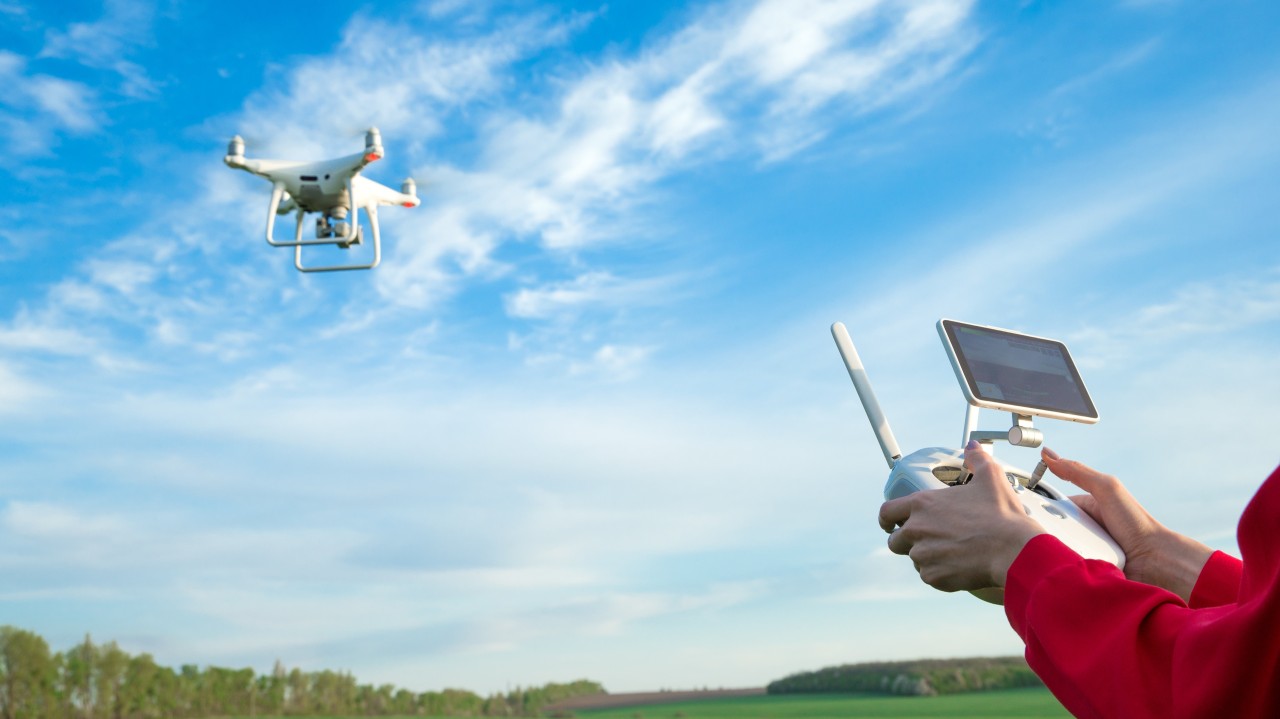
Technology-Driven Surveillance and Persistent Aerial Monitoring by Deployment of UAVs (drones) and satellite-based geospatial intelligence to monitor vast “ungoverned spaces” and forest fringes where criminal elements often congregate.
Establishing digital perimeters around high-yield farming belts. This allows security forces to detect unauthorized movement in real-time, creating “safe corridors” for farmers to access their land without fear of abduction.
Merging traditional intelligence with satellite imagery from NASRDA to predict conflict hotspots based on movement patterns and resource availability.
These high-tech assets are expected to complement Operation Savannah Shield, providing the rapid-response units with the “eyes in the sky” they need to interdict threats before they reach farming communities.
While the strategy is ambitious, several factors will determine its success. Surveillance is only as good as the response. The “tech-heavy” approach requires mobile, well-equipped ground units to act instantly on digital alerts.
Success depends on local communities reporting suspicious activities. As General Musa recently emphasized, security remains a “collective responsibility” that technology alone cannot solve.
Maintaining high-end surveillance tech in remote, rugged terrain requires significant logistics and technical expertise.
This move signals a shift towards “Precision Security” using data to maximize the impact of limited boots on the ground during the most critical window for Nigeria’s food supply.