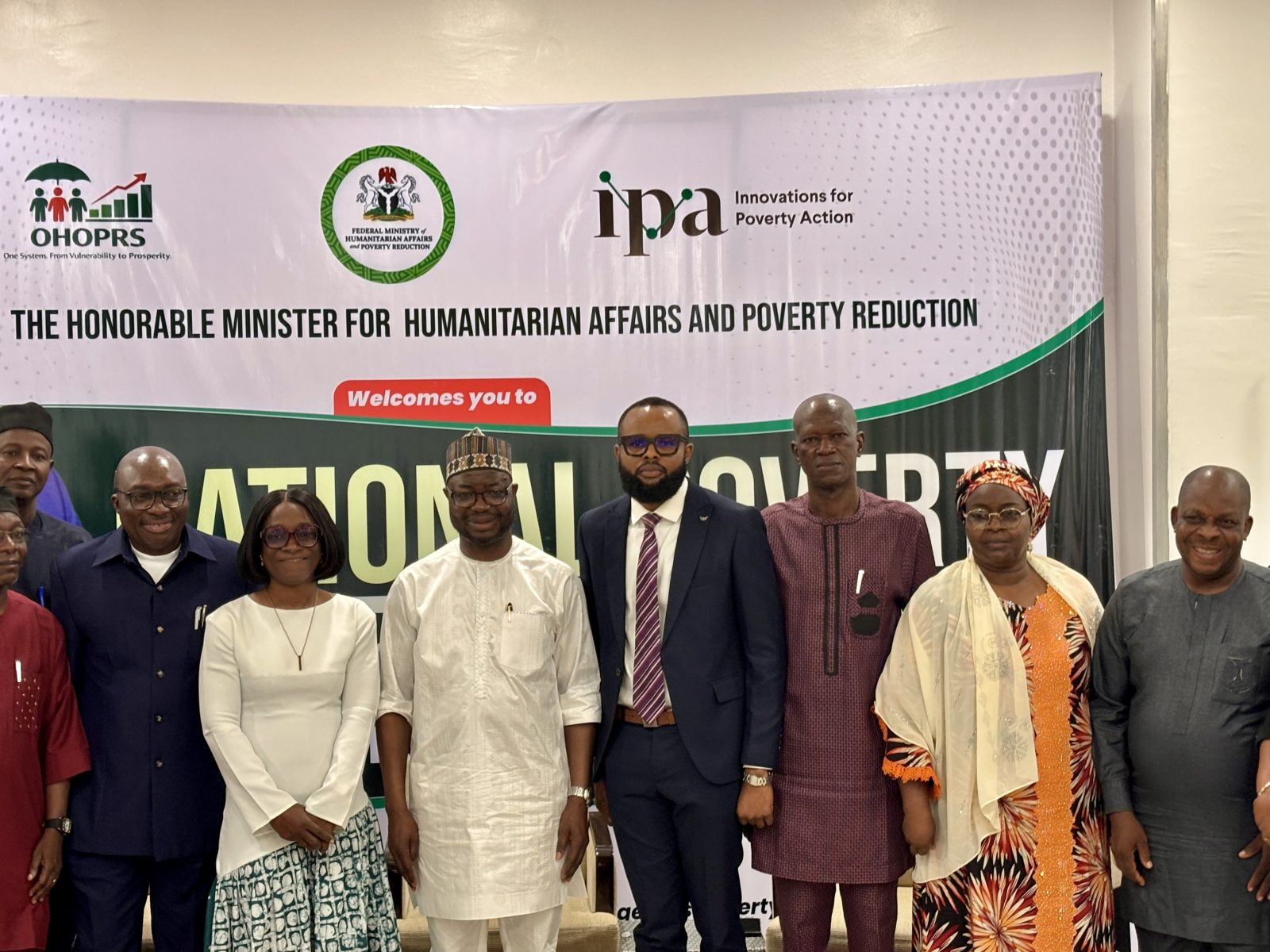
The Federal Government on Wednesday unveiled the National Poverty Intelligence Lab, a groundbreaking data-driven platform aimed at improving the design, implementation, monitoring, and evaluation of poverty-reduction programmes across Nigeria, as part of efforts to tackle the growing challenge of poverty affecting millions of citizens.
The initiative, launched by the Minister of Humanitarian Affairs and Poverty Reduction, Dr. Bernard Doro, is expected to become the central intelligence and evidence-gathering hub for all government interventions targeted at reducing poverty and improving the living conditions of vulnerable Nigerians.
The launch took place during the opening ceremony of a three-day workshop on the operationalisation of the lab in Abuja, bringing together policymakers, development partners, data analysts, researchers, and stakeholders involved in social protection and poverty alleviation programmes.
Addressing participants at the event, Doro said Nigeria could no longer afford to rely on assumptions, outdated information, or fragmented approaches in its battle against poverty. He stressed that the scale of the country’s poverty challenge demanded a new strategy built on credible data, measurable outcomes, and accountability.
According to the minister, an estimated 140 million Nigerians currently live below the poverty line, making it imperative for government institutions to adopt smarter and more coordinated methods of identifying those in need and ensuring that resources reach the intended beneficiaries.
He explained that the National Poverty Intelligence Lab was conceived to provide real-time data and evidence that would guide policy decisions, improve programme targeting, and enable government agencies to measure the effectiveness of various interventions.
“Nigeria’s poverty challenge requires a new approach anchored on data, evidence, and accountability,” Doro said.
He noted that despite significant investments in poverty reduction initiatives over the years, the impact of many programmes had often been difficult to assess due to inadequate data systems, poor coordination among agencies, and weak monitoring frameworks.
The minister stated that the new platform would help bridge these gaps by consolidating information from different sources, including government agencies, development organisations, research institutions, and community-based networks. This, he said, would provide a more comprehensive picture of poverty trends across the country and support evidence-based policymaking.
Doro further explained that the lab would deploy advanced analytical tools to identify poverty hotspots, track socio-economic indicators, and evaluate the outcomes of government programmes. Such insights, he said, would help policymakers make informed decisions and allocate resources more efficiently.
He emphasized that poverty reduction could no longer be approached through broad assumptions or one-size-fits-all policies. Instead, interventions must be tailored to the specific needs of communities, regions, and vulnerable populations identified through reliable data.
According to him, the National Poverty Intelligence Lab will also serve as a coordination mechanism, enabling various ministries, departments, and agencies involved in social welfare programmes to share information and align their efforts toward common objectives.
The minister said the initiative reflects the Federal Government’s commitment to ensuring transparency and accountability in the implementation of poverty alleviation programmes. By providing accurate and timely information, he explained, the platform would make it easier to monitor projects, track spending, and evaluate results.
Participants at the workshop were expected to discuss operational frameworks, data management systems, institutional responsibilities, and collaboration strategies necessary for the successful implementation of the lab.
Experts attending the event described the initiative as a significant step toward modernising Nigeria’s poverty-reduction architecture. They argued that effective data systems remain critical to understanding the root causes of poverty and designing interventions capable of delivering sustainable outcomes.
Development partners also expressed support for the initiative, noting that evidence-based policymaking has become an essential tool in addressing complex socio-economic challenges around the world.
Analysts say the success of the National Poverty Intelligence Lab will depend largely on the quality of data collected, the willingness of institutions to collaborate, and the government’s commitment to acting on the insights generated by the platform.
For many observers, the launch represents a shift from traditional poverty alleviation strategies toward a more technology-driven and results-oriented model. If effectively implemented, the initiative could help ensure that scarce resources are directed toward the communities and individuals most in need, while also providing government with reliable tools to measure progress.
As Nigeria continues to grapple with rising living costs, unemployment, food insecurity, and economic pressures affecting millions of households, the Federal Government hopes that the National Poverty Intelligence Lab will become a critical instrument for transforming anti-poverty programmes from broad policy ambitions into measurable and impactful outcomes.
The launch comes amid growing calls for more effective social intervention programmes and greater accountability in public spending. By placing data and evidence at the centre of decision-making, government officials believe the new platform can help create a more targeted, transparent, and sustainable pathway toward reducing poverty and improving the lives of millions of Nigerians.