The Federal Government says it is expanding funding, local drug production and research to improve cancer prevention, diagnosis and treatment while easing patients’ financial burden.
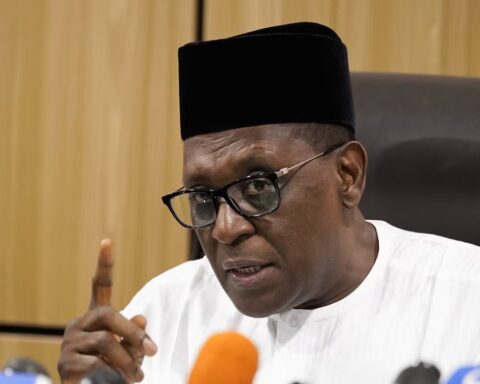
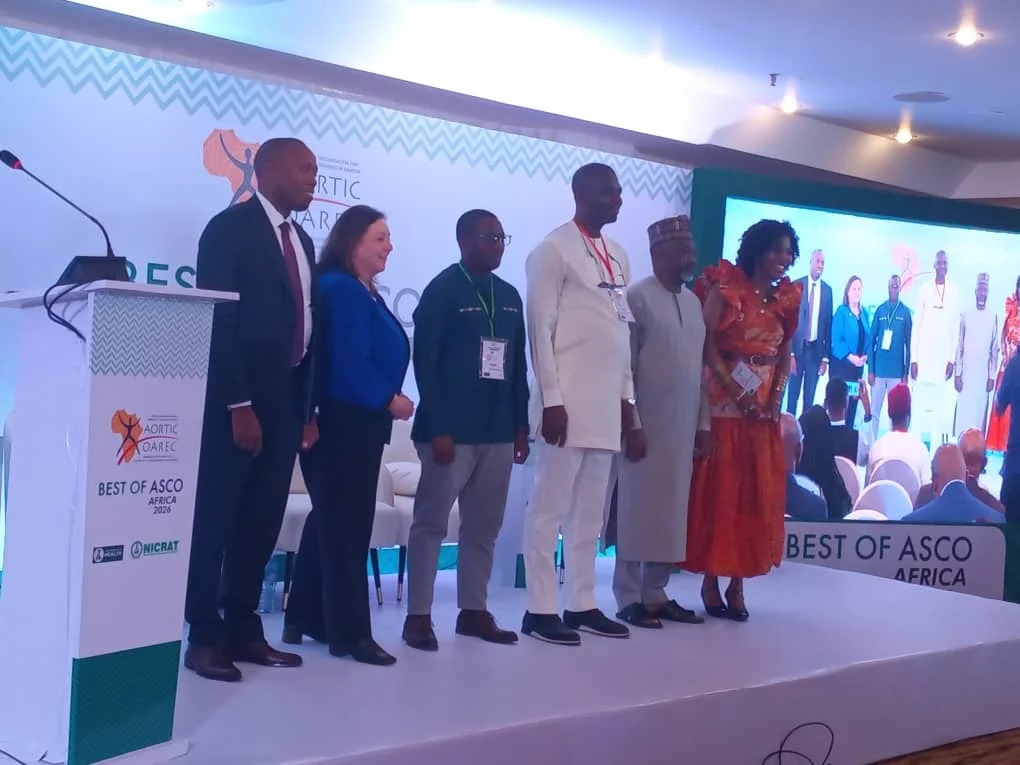
The Director-General of the National Institute for Cancer Research and Treatment (NICRAT), Prof. Usman Aliyu, said this on Saturday in Abuja at the Best of American Society of Clinical Oncology (ASCO) Africa 2026 conference.
The conference, organised with the African Organisation for Research and Training in Cancer (AORTIC), has the theme: “From Global Discovery to Local Delivery: Driving Africa to the Cutting Edge of Cancer Care.”
Aliyu said the government had introduced measures to make cancer care more affordable, although treatment remained beyond the reach of many Nigerians.
He said the Catastrophic Health Fund under the National Health Insurance Authority subsidised cancer prevention, diagnosis, chemotherapy and radiotherapy for eligible patients.
He added that NICRAT operated the National Cancer Health Fund to support indigent cancer patients unable to afford treatment.
“These are initiatives by the government to support Nigerians suffering from this dreadful disease,” he said.
Aliyu said the Presidential Initiative for Unlocking the Healthcare Value Chain would promote local production of cancer medicines and improve access to affordable treatment.
He said experts at the conference would review landmark studies presented at the ASCO Annual Meeting and adapt proven innovations to African health systems.
“We are trying to domesticate expensive treatments by producing much-needed medicines locally and translating global research into action in our clinics,” he said.
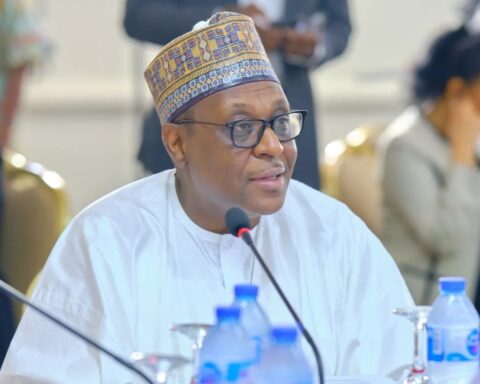
Dr Lolade Adewale, Special Adviser on Research and Innovation to the Minister of State for Health, said government was expanding financial protection for cancer patients through targeted insurance schemes.
She said the Cancer Health Fund and the Social Determinants of Health Fund would improve access to treatment for eligible patients.
“Within the next year, you will hear more about it,” she said, referring to efforts to strengthen cancer insurance coverage.
Adewale said Nigeria had commenced three immunotherapy clinical studies for the first time, giving patients access to advanced medicines previously unavailable in the country.
According to her, medicines such as Nivolumab and Keytruda are now available through clinical trials at no cost to participating Nigerians, reducing the need to seek treatment abroad.
Also speaking, Immediate Past President of AORTIC, Dr Miriam Mutebi, said Africa accounted for only about eight per cent of global cancer research.
She said the continent’s research output remained inadequate, especially for cervical and prostate cancers, in spite of their high disease burden.
Mutebi urged African governments to fulfil their commitment to dedicate one per cent of Gross Domestic Product to research and development.
She said stronger domestic investment would generate evidence to improve diagnosis, treatment completion, patient experience and health systems.
The Chief Medical Officer of ASCO, Dr Julie Gralow, said many breakthrough cancer therapies had not been adequately tested among African populations.
Gralow said the conference would help determine how global evidence could be adapted to African settings while addressing affordability and access.
She said the ASCO-AORTIC partnership focused on workforce development, clinical research and training the next generation of African cancer researchers.
According to her, the organisations will open the second round of the Sub-Saharan Africa Clinical Research Scholars Programme in October.
AORTIC Vice-President for North America, Dr Abiola Ibraheem, said the initiative was designed to bridge the gap between cancer care available in high-income countries and Africa.
She urged African countries to work collectively to improve access to innovative cancer therapies through a continental approach.
“The therapies and technologies available in the United States are very different from what is accessible in Nigeria. This initiative is about closing that gap.
“There is power in numbers. The goal is for African countries to access these therapies together as one continent rather than individually,” she said.
Ibraheem said participation had grown significantly since the inaugural conference in Ethiopia, attracting more countries, sponsors and stakeholders committed to advancing cancer care across Africa.
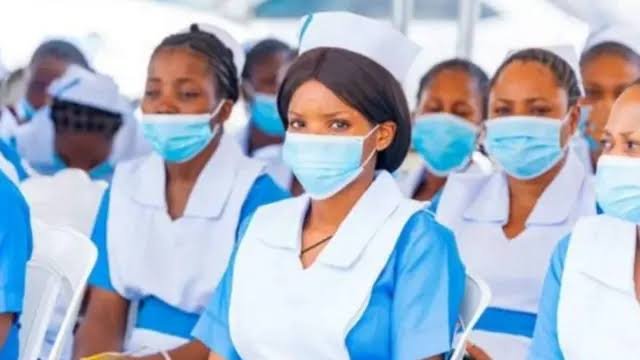
The conference brought together oncologists, researchers, policymakers and development partners from across Africa and beyond.
Participants reviewed major scientific advances presented at the ASCO Annual Meeting and explored how they could be applied within African health systems.