In what officials have described as a landmark decision set to reshape Nigeria’s infrastructure landscape, the Federal Executive Council on Thursday approved contracts worth over ₦7 trillion for a series of road and bridge projects spanning all six geopolitical zones of the country.
The approvals, announced after the council’s meeting in Abuja, mark the single largest batch of road project endorsements by the current administration in one sitting, underscoring a renewed focus on large-scale infrastructure development under President Bola Tinubu.
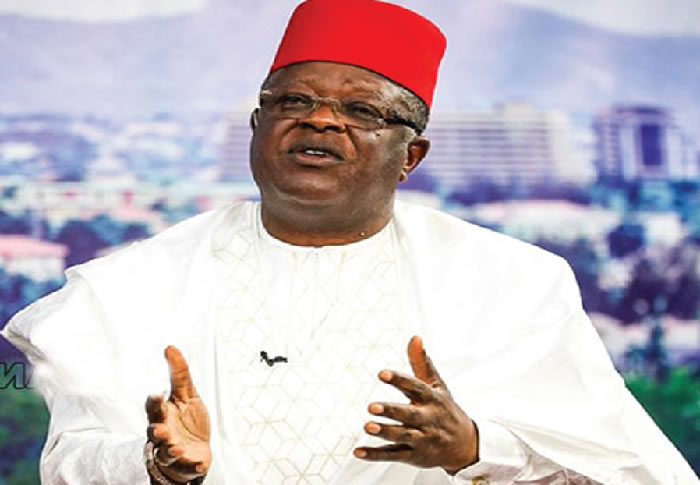
Briefing State House correspondents, the Minister of Works, Dave Umahi, detailed the scope of the projects, describing them as transformative interventions designed to improve connectivity, stimulate economic growth, and ease transportation challenges across the country.
Among the headline projects is a ₦1.86 trillion extension of the Lagos-Calabar Coastal Highway, which will stretch further through Akwa Ibom State. The coastal highway, already one of the most ambitious road projects in Nigeria’s history, is expected to open up coastal communities, boost tourism, and enhance trade corridors along the southern belt.
In Lagos, the council approved ₦548.98 billion for the complete demolition and reconstruction of the iconic Carter Bridge. The bridge, which has served as a critical link between Lagos Island and the mainland for decades, is set for a total overhaul aimed at improving safety, capacity, and durability in the face of increasing traffic pressure.
Equally significant is the approval of a new ₦1.79 trillion section of the Sokoto-Badagry Expressway, a major arterial route envisioned to connect the far northwest to the southwestern coast. The expressway is expected to facilitate cross-country trade, reduce travel time, and strengthen economic integration between regions.
Umahi noted that the projects were carefully distributed to reflect national balance, ensuring that all geopolitical zones benefit from the administration’s infrastructure drive. He emphasized that the scale and ambition of the approvals demonstrate the government’s commitment to long-term development, even amid economic constraints.
“These projects are not just roads and bridges,” Umahi said. “They are economic corridors that will unlock opportunities, create jobs, and enhance national unity through improved connectivity.”
In addition to the newly approved contracts, the minister revealed that several completed or near-completed road projects have been lined up for inauguration as the administration of President Tinubu approaches its third anniversary on May 29.
The planned commissioning ceremonies are expected to highlight progress made so far and reinforce public confidence in ongoing infrastructure efforts.
Analysts say the massive investment signals a strategic pivot toward infrastructure as a catalyst for economic recovery and growth. By improving transportation networks, the government aims to reduce the cost of moving goods and services, support local industries, and attract both domestic and foreign investment.
However, the scale of the approvals has also raised questions about funding, execution timelines, and project management. Experts have cautioned that while ambitious infrastructure spending is necessary, its success will depend heavily on transparency, efficient implementation, and sustained financing.
There are also concerns about potential disruptions during construction, particularly in densely populated areas like Lagos, where projects such as the Carter Bridge reconstruction could temporarily affect traffic flow and daily commuting.
Despite these challenges, the administration maintains that the long-term benefits far outweigh the short-term inconveniences. Officials argue that modern, well-maintained infrastructure is essential for Nigeria’s competitiveness and overall development.
For many Nigerians, the announcement represents a mix of optimism and cautious expectation. If successfully executed, the projects could significantly transform the country’s transportation network and serve as a cornerstone of its economic future.
As the nation watches closely, the ₦7 trillion infrastructure push stands as a bold statement of intent, one that could redefine mobility, commerce, and connectivity across Nigeria for decades to come.