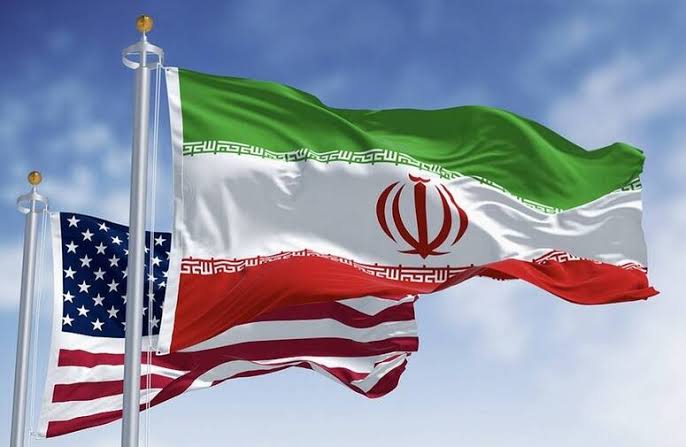
The European Union has welcomed a reported breakthrough agreement between the United States and Iran aimed at ending months of conflict across the Middle East, with senior EU officials expressing hope that the deal could pave the way for lasting peace and stability in one of the world’s most volatile regions.
Speaking on Monday, Antonio Costa, President of the European Council, praised the reported accord and reaffirmed the European Union’s willingness to support diplomatic efforts designed to secure a durable peace settlement. In a message posted on social media platform X, Costa said he looked forward to seeing an end to the devastating conflict that has affected several countries in the region and disrupted global economic activity.
“I look forward to an end to this costly war and to the full restoration of freedom of navigation in the Strait of Hormuz,” Costa stated, adding that the European Union stands ready to contribute to a broader strategy aimed at achieving long-term peace. The comments came after the United States and Iran announced that they had reached an agreement intended to bring an end to fighting across multiple fronts in the Middle East, including hostilities linked to Lebanon.
The deal also reportedly includes provisions for the reopening of the strategically important Strait of Hormuz, one of the world’s most critical maritime trade routes. While the announcement has generated optimism among international observers, significant questions remain regarding the details of the agreement, particularly concerning Iran’s nuclear programme, a longstanding source of tension between Tehran and Western powers.
Officials from Washington and Islamabad indicated that the agreement is expected to be formally signed on Friday during a meeting in Switzerland. If finalized, the accord could mark one of the most significant diplomatic achievements in the region in recent years and potentially bring an end to months of violence that have claimed thousands of lives.
The reported agreement arrives after a prolonged period of instability that has seen military confrontations spread across different parts of the Middle East, raising fears of a wider regional war. The conflict has affected civilian populations, strained humanitarian resources, and increased concerns about global security.
Beyond the human toll, the war has also had major economic consequences. Energy markets have experienced significant volatility as tensions threatened shipping routes and oil supplies passing through the Strait of Hormuz, a narrow waterway connecting the Persian Gulf to international markets.
The reopening of the strait is therefore viewed as a critical component of the proposed agreement. Analysts note that any restoration of normal maritime operations could help ease concerns in global energy markets and improve confidence among international investors. For the European Union, stability in the Middle East remains a major strategic priority.
The bloc has long advocated diplomatic engagement as the preferred path for resolving disputes involving Iran and has consistently supported negotiations aimed at reducing regional tensions. European leaders have repeatedly warned that continued conflict risks creating broader geopolitical and economic consequences extending far beyond the Middle East.
As a result, the EU has often positioned itself as a supporter of dialogue between rival powers in the region. Costa’s remarks reflect that approach, emphasizing not only the importance of ending active hostilities but also the need to establish conditions that prevent future conflicts.
Despite the optimism surrounding the announcement, experts caution that many challenges remain unresolved. Chief among them is the question of Iran’s nuclear activities, an issue that has complicated relations between Tehran and Western governments for years.
Neither the United States nor Iran has provided detailed information about how the agreement addresses concerns related to nuclear development, inspections, or future restrictions.
Observers say these matters will likely become central topics during the upcoming signing process and subsequent negotiations. The inclusion of Lebanon in the reported agreement has also attracted attention, given the country’s role in broader regional tensions. Any successful effort to reduce hostilities there could have significant implications for security throughout the Middle East.
International reactions to the announcement are expected to continue in the coming days as governments assess the potential impact of the proposed deal. Many nations have welcomed the possibility of a ceasefire and a reduction in regional tensions, while others are waiting for more details before offering formal endorsements.
If the agreement is successfully signed in Switzerland and implemented as planned, it could represent a turning point in efforts to restore stability to the Middle East after months of bloodshed and uncertainty.
For now, the European Union has signaled its readiness to play a constructive role in supporting any diplomatic framework capable of transforming the reported breakthrough into a sustainable peace, with leaders hoping that the accord will not only end the current conflict but also lay the foundation for greater security and cooperation across the region.