Key stakeholders in Nigeria’s technology and telecommunications sectors have warned that poor network connectivity, cybersecurity vulnerabilities, misinformation, and inadequate digital infrastructure could erode public confidence and undermine the credibility of the 2027 general elections if left unaddressed.
The warning was issued at the Nigeria eGovernment Summit 2026, held on Friday, September 11, 2026, at 10:00 AM at the Providence Hotel, Ikeja, Lagos.
Themed “Mainstreaming Technologies in Nigeria Election Management,” the event brought together technology experts, telecom operators, and digital governance specialists to address vulnerabilities in the country’s electoral systems ahead of the upcoming polls.
Delivering his opening address, Engr. Lanre Ajayi, Chairman of the Nigeria eGovernment Summit, cautioned that failure to make electoral technology seamless and trustworthy could trigger political instability.
”An election that citizens do not trust is not merely a flawed process; it is a crisis of legitimacy,” Ajayi said. “The question is no longer whether we should use technology in elections, but how we mainstream it, moving from pilot projects and contested deployments to an embedded, trusted, and comprehensive feature of our electoral architecture.”
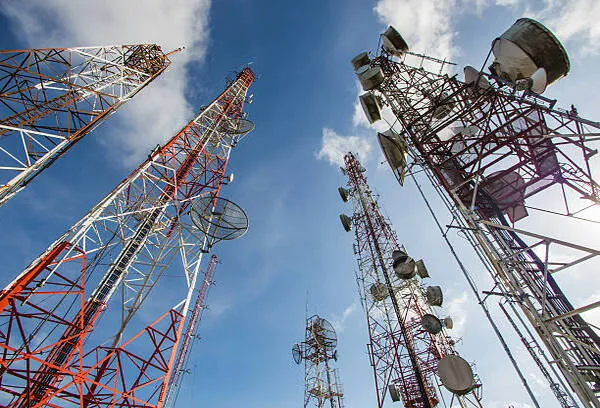
Echoing similar concerns, Tony Emoekpere, President of the Association of Telecommunications Companies of Nigeria (ATCON), highlighted the critical role of network infrastructure in preventing election day failures.
”There can be no meaningful digital transformation without reliable connectivity,” Emoekpere stated. “Behind every electronic transaction and real-time exchange of result data is telecommunications infrastructure that must work flawlessly. Cybersecurity and data protection must be treated as fundamental components of election integrity rather than a technical afterthought.”
Representing the President of the Internet Society, Nigeria Chapter (Engr. Kunle Olorudare), Mrs. Gbemisola Esho emphasized the twin threats of digital exclusion and information manipulation.
She urged the Independent National Electoral Commission (INEC) and telecommunication providers to ensure no polling unit is left without network coverage while establishing robust frameworks to counter AI-generated fake news and online voter suppression.
The summit concluded with a joint call on the Federal Government, INEC, telecom operators, and security agencies to initiate early joint testing, fund continuous infrastructure upgrades, and avoid treating electoral technology as a “once-in-four-years” emergency intervention.