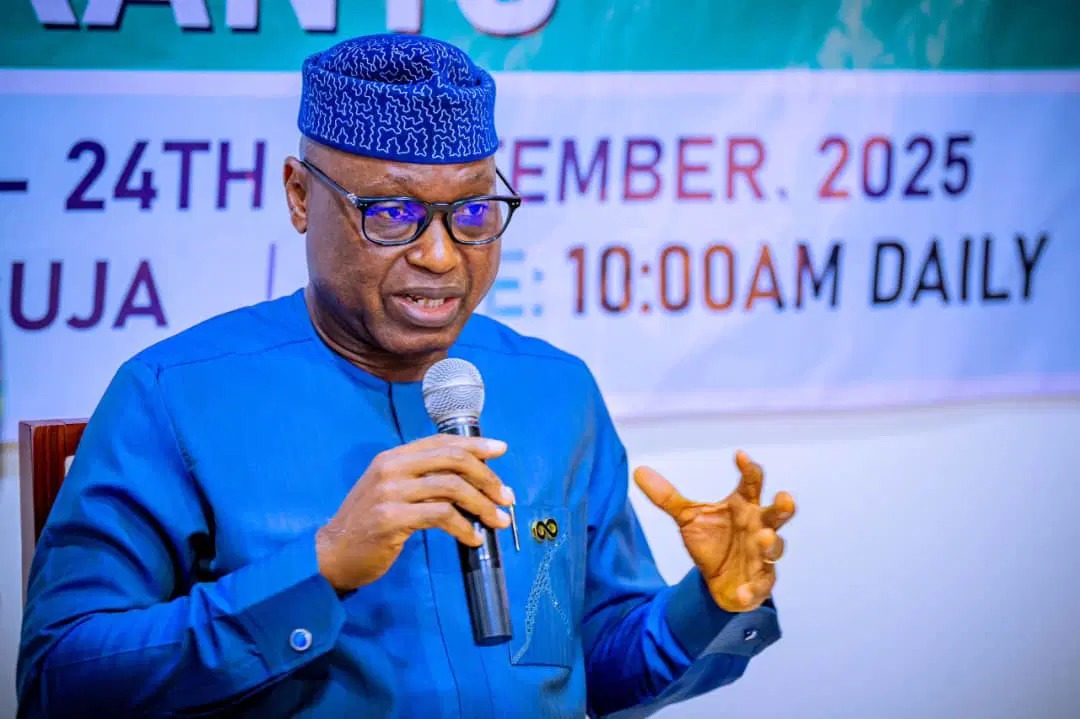
The conversation around Ekiti State’s political future took a decisive turn on Wednesday as the Commissioner for Youth Development, Adesola Adedayo, threw his weight behind the continuity agenda of Governor Biodun Oyebanji, describing it as the most viable path toward long-term stability and prosperity for the state.
Speaking in Ado Ekiti while hosting various youth groups in his office, Adedayo painted a picture of a state on the rise—one that, in his view, is only beginning to reap the benefits of deliberate and carefully implemented policies under the current administration. According to him, extending the governor’s leadership trajectory through continuity until 2030 would consolidate ongoing gains and position Ekiti as a model of sustainable development.
“Continuity of the present government till 2030 will ensure economic stability, infrastructure facelift, security, and youth development that are gradually savouring a meteoric upswing in the policies of government,” he said, his tone reflecting both conviction and urgency.
The meeting with youth representatives was more than a routine engagement; it became a platform for political reflection and projection. Seated across from the commissioner, the young participants listened as he outlined what he described as a transformational phase in Ekiti’s governance, one marked by peace-building, strategic partnerships, and prudent resource management.
Adedayo did not hold back in his praise for Governor Oyebanji, whom he described as a leader redefining the essence of governance in the state. He pointed to initiatives aimed at fostering unity across political divides, improving infrastructure, and creating opportunities for young people as evidence of a government focused on inclusive growth.
According to the commissioner, the administration’s approach to governance has shifted the narrative from political rivalry to collaborative progress. He emphasized that peace-building efforts have created a stable environment that encourages investment and development, while partnerships with both local and international stakeholders have expanded the state’s economic horizon.
“Youths are at the center of this administration’s vision,” Adedayo noted. “From skills acquisition to empowerment programmes, the government is laying a foundation that will secure the future of our young people.”
However, the commissioner’s remarks also carried a sharp political edge. Addressing the growing number of individuals expressing interest in succeeding the current governor, he dismissed them as lacking the experience and depth required for effective leadership.
He described such aspirants as “neophytes,” arguing that governance is not a space for experimentation but for tested and capable hands. “Nobody will be allowed to manifest mediocrity in leadership in the state when there is a qualified individual to drive it to prosperity,” he declared.
The statement drew mixed reactions among observers. While supporters of the administration see it as a bold affirmation of confidence in the governor’s performance, critics argue that it raises questions about political inclusivity and democratic competition.
Within the room, however, the focus remained on the youth. Some of the visiting group members expressed appreciation for the government’s initiatives, particularly in areas such as job creation and education. Others used the opportunity to raise concerns about unemployment and the need for more grassroots engagement.
Adedayo acknowledged these concerns, assuring the youths that their voices would continue to shape government policies. He encouraged them to remain active participants in the state’s development process, emphasizing that true progress requires collective effort.
Outside the commissioner’s office, the political implications of his remarks continued to ripple. Analysts suggest that the call for continuity could signal early positioning ahead of future electoral cycles, as stakeholders begin to define the direction of Ekiti’s leadership beyond the current tenure.
For many residents, the debate ultimately comes down to performance. While some are convinced that continuity offers the best chance for sustained growth, others believe that leadership renewal is equally important in a democratic setting.
Yet, as Adedayo’s message echoed through Ado Ekiti, one thing became clear: the conversation about Ekiti’s future is gaining momentum, and the youth whose voices are increasingly influential, will play a critical role in shaping the outcome.
In the unfolding narrative of Ekiti State, the question is no longer just about who leads, but about how leadership can best serve the people. And for now, the call from within the corridors of power is unmistakable, build on what exists, strengthen what works, and ensure that progress is not interrupted.