In the tense days following the abduction of passengers along the Makurdi–Otukpo Road, fear and speculation spread rapidly across communities, fueled by alarming claims that the victims were students en route to sit for the 2026 Unified Tertiary Matriculation Examination (UTME). The narrative, widely circulated on social media and picked up by sections of the press, painted a grim picture of young candidates falling prey to insecurity while pursuing their academic dreams.
However, in a decisive move to set the record straight, the Benue State Police Command and the Joint Admissions and Matriculation Board (JAMB) issued separate statements on Saturday, firmly debunking the claims.
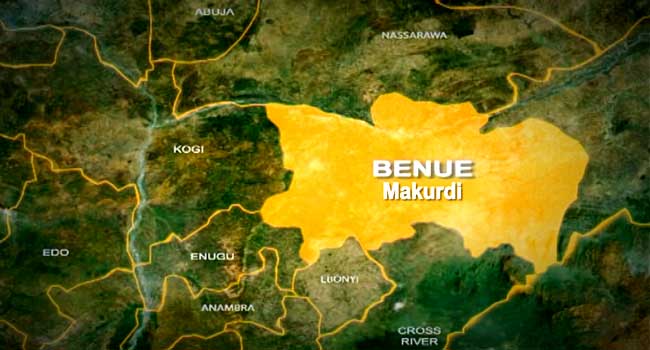
The incident itself occurred on April 15, along the busy Makurdi Otukpo corridor, a route often used by traders, commuters, and travelers moving between major towns in Benue State. According to initial reports, a commercial vehicle traveling toward Makurdi was intercepted by unknown assailants, who abducted several passengers. News of the attack quickly ignited public concern, particularly as rumors began to suggest that the victims were students traveling in a coordinated convoy to participate in the nationwide UTME.
For many Nigerians, the thought of students already under the pressure of one of the country’s most competitive examinations being targeted added a deeply emotional dimension to the tragedy. Parents, guardians, and education advocates expressed outrage, while calls for enhanced security around examination logistics intensified.
But as investigations progressed, authorities found no evidence to support the widely held belief.
Speaking on behalf of the police, the command’s spokesperson, Edet Udeme, addressed the misinformation directly. In a carefully worded statement, he clarified that the victims were not part of any organized student group.
“The command states that this claim is incorrect,” Udeme explained, “as the victims were not confirmed to be part of any organised UTME-bound student convoy, but passengers in a Makurdi-bound bus.”
His statement underscored a broader issue confronting modern crisis response: the speed at which unverified information can travel, often outpacing official investigations. In this case, a combination of public anxiety and the sensitive timing of the UTME season appeared to have amplified assumptions into accepted facts.
JAMB, on its part, also moved swiftly to protect the integrity of its examination process and reassure candidates nationwide. The board emphasized that it had not arranged any special transportation or convoy system for students in the affected area, distancing itself from the narrative that had taken hold online. Officials reiterated that candidates were expected to make independent travel arrangements to their examination centers, as is standard practice.
The dual clarifications helped calm rising tensions, though not without leaving behind important lessons. For residents of Benue State, the incident remains a stark reminder of the persistent security challenges facing road travelers. The Makurdi Otukpo Road, like many intercity routes across Nigeria, has witnessed sporadic security concerns, prompting repeated calls for increased patrols and surveillance.
Community leaders have since urged the government to intensify efforts to secure highways, noting that regardless of the victims’ identities, the abduction itself represents a serious breach of public safety. “Whether they were students or traders, these are innocent people whose lives have been disrupted,” one local stakeholder remarked. “The focus should be on ensuring such incidents do not happen again.”
Security analysts also weighed in, pointing to the role of misinformation in complicating emergency responses. False narratives, they argue, can divert attention, create unnecessary panic, and strain already limited resources. In extreme cases, they may even influence policy decisions based on inaccurate assumptions.
For families of the abducted passengers, however, the clarification offers little comfort. Their primary concern remains the safe return of their loved ones. Authorities have assured the public that efforts are ongoing to locate and rescue the victims, though details of the operation have not been fully disclosed for security reasons.
As the situation unfolds, the incident stands as both a cautionary tale and a call to action. It highlights the need for responsible information sharing, especially during crises, while also reinforcing the urgent demand for improved safety on Nigeria’s roads.
In the end, while the truth may have dispelled one layer of fear that students were specifically targeted, the underlying reality remains unchanged: ordinary citizens continue to face risks in their daily journeys. And until those risks are addressed, stories like this will continue to resonate far beyond the headlines.