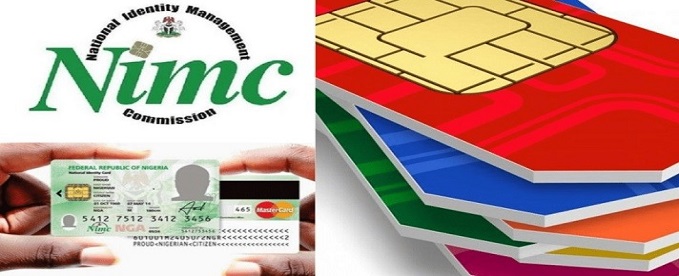
NIMC explanation pointed to a simple but significant gap in the system.
Abisoye Coker-Odusote, director-general of the agency said that: “A lot of the time, you find out the kidnappers use the phones of the people they have abducted, which means how do you trace them because they are not using their own phones?” she said.
Coker-Odusote spoke during an appearance on Channels Television, where she was asked to explain why criminals remain difficult to trace despite the mandatory NIN-SIM linkage policy.
She said criminals frequently frustrate investigations by using mobile phones belonging to their victims, instead of their own registered lines.
“We already know the NIN is the foundational identity for the security architecture, but a lot of the time, you find out the kidnappers use the phones of the people they have abducted. Which means, how do you trace them because they are not using their own phones?” she said.
She also suggested that some criminal elements involved in kidnapping operations may not even be captured in Nigeria’s identity database.
“There is a theory that it may be possible that these kidnappers are not Nigerians and are brought into the country 48 or 72 hours before a kidnapping takes place specifically for that purpose. I’m not insinuating anything, but if that were the case, they naturally would not be captured in our database,” she added.
The comments have revived questions about whether expectations placed on the NIN-SIM linkage have exceeded what the system was designed to deliver.
The NIN-SIM linkage exercise was introduced by the Nigerian Communications Commission (NCC) in collaboration with NIMC to strengthen identity management, eliminate anonymous SIM ownership and support national security.
Over the years, the exercise resulted in millions of subscribers linking their SIM cards with their National Identification Numbers, while telecom operators also deactivated millions of lines that failed to comply with regulatory directives.
Earlier, the NCC maintained that the policy was aimed at improving the integrity of Nigeria’s SIM registration database, strengthening identity verification and supporting security agencies in criminal investigations.
The regulator also described the exercise as an important component of the country’s digital economy and national security framework.
Telecommunications operators have consistently maintained that while they play a critical role in implementing the NIN-SIM linkage policy, they are not responsible for tracking criminals.