By Ijeoma Agbafo
Nigeria, a vibrant tapestry of cultures and faiths, once again burst into colour, joy and devotion as Muslims across the country celebrated Eid-el-Kabir, also known as Eid al-Adha, “Big Sallah” in the North and “Ileya” in the Southwest.
The festival commemorates Prophet Ibrahim’s willingness to sacrifice his son Ismail in obedience to God, who provided a ram instead. Observed on the 10th day of Dhul-Hijjah, Eid-el-Kabir coincides with the peak of the Hajj pilgrimage in Mecca and symbolises sacrifice, faith, charity and sharing.
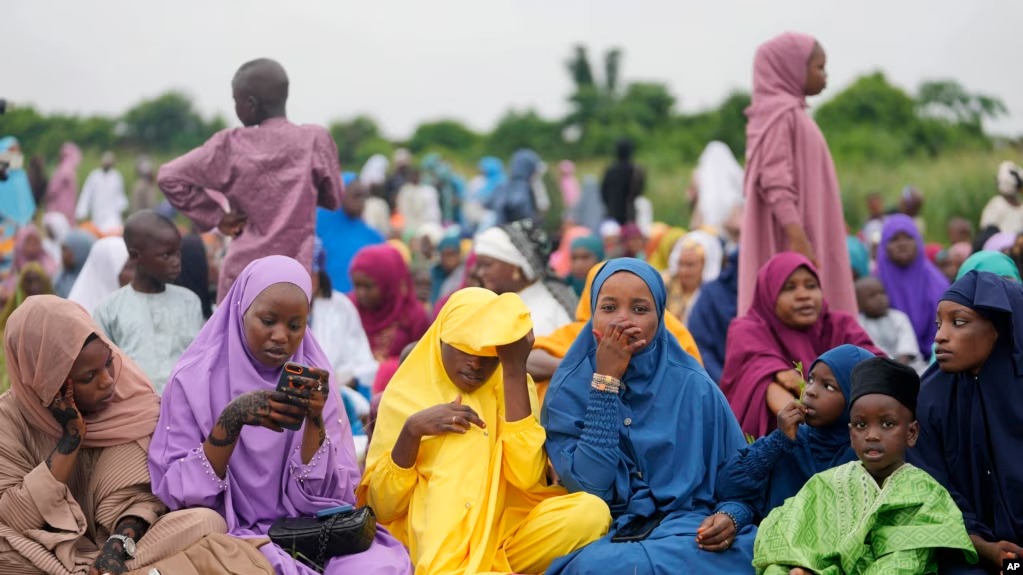
The day begins early with ritual baths, prayers and dressing in fine attire. Worshippers troop to mosques and large prayer grounds in cities like Kano, Lagos, Abuja and Ibadan, where thousands gather for the special Eid prayer and sermon centred on compassion, unity and support for the less privileged.
Eid-el-Kabir is as much a cultural celebration as it is a religious one. Men appear in flowing agbada, babban riga and kaftans, while women dazzle in lace, ankara, iro and buba, colourful hijabs and elaborate gele with henna designs. Children, excited in their new outfits, add even more vibrancy to the festivities.
After prayers comes the symbolic slaughtering of rams, goats, camels or even cows, with the meat shared among family and friends. Homes come alive with the aroma of jollof rice, grilled meat, tuwo shinkafa, soups and other local delicacies prepared for guests and neighbours.
In northern cities such as Katsina and Zaria, the famous Durbar procession adds grandeur to the celebration. Horse riders dressed in royal regalia parade through the streets in a colourful display of tradition, culture and heritage.
Beyond the feasts and festivities, Eid-el-Kabir remains a celebration of togetherness. Families reunite, children receive gifts and loved ones exchange greetings of “Barka da Sallah” and “Eid Mubarak.”
As the celebrations wind down, the spirit of Eid lingers, a reminder of sacrifice, generosity and unity in a country rich in culture and diversity.