Grassroots civic and political movement Working People United (WoPU) has called on commercial transport operators, haulage firms, logistics companies, and food distributors across Nigeria to immediately reduce their prices in response to the Federal Government’s recent intervention in the petroleum sector.
The demand was issued during a joint press briefing at 10:00 AM on Sunday, October 11, 2026, at the movement’s national headquarters in Abuja. Addressing journalists, WoPU National Convener Comrade Chinedu Okeke and National Coordinator-General Prince Williams Eniredonana Akporeha commended the government’s direct measures to curb rising fuel costs, emphasizing that the economic relief provided at the pump must immediately translate into lower living costs for everyday citizens.
”The government has stepped in to stabilize and reduce pump prices, which means the cost of moving goods and people has dropped,” Okeke stated. “It is unacceptable for transporters and food merchants to continue charging peak-crisis rates while buying fuel at reduced prices. The public deserves an immediate, proportional reduction in bus fares, haulage tariffs, and food prices.”
Akporeha reinforced the call, noting that while federal action provides a clear opportunity to ease financial pressure on Nigerian households, government intervention alone is insufficient without private-sector cooperation.
To ensure the savings reach ordinary citizens, WoPU outlined specific demands across the transport and agricultural supply chains.
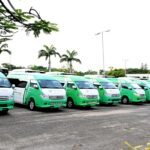
Some of the demands includes; Direct Transport Fare Relief: Urged the National Union of Road Transport Workers (NURTW) and local transit operators to adjust passenger tariffs downward before the start of the new work week.
Reduction in Logistics Costs: Direct request to long-distance truck drivers and freight handlers to lower transport charges for agricultural produce to reduce food inflation in urban markets.
Market Union Monitoring: Enjoined market associations to curb speculative pricing on basic food items tied to transport overheads.
They proposed a 30-day period of collective action among supply chain stakeholders to restore the purchasing power of Nigerian families. They also advised the Federal Government to complement petroleum interventions with targeted improvements in road infrastructure and agricultural distribution channels.
Okeke warned that WoPU will mobilize civil society networks across state capitals to monitor compliance and publicly identify transport hubs and market syndicates that fail to adjust their charges.
Both leaders reiterated WoPU’s commitment to advocating for policies and alignments that protect the economic dignity and living standards of Nigerian workers.