A devastating cholera outbreak has swept across parts of Borno State, claiming at least 37 lives and infecting more than 3,000 people within the month of May, authorities have confirmed.
The Executive Secretary of the Borno State Contributory Healthcare Management Agency, Dr. Saleh Kaza, disclosed the alarming figures in a statement issued on Saturday, describing the situation as a major public health emergency that requires urgent intervention from government agencies, healthcare workers and residents.
According to Kaza, the outbreak has spread across 36 wards in seven local government areas of the state between May 1 and May 29, raising serious concerns over sanitation, access to clean water and the possibility of further transmission if immediate preventive actions are not taken.
“Following the first incident report on the 1st of May and confirmation on the 4th of May, it is confirmed that we are facing a serious health crisis as a devastating cholera outbreak has struck Borno, with over 3,000 reported cases and 37 tragic deaths across 36 wards in 7 local government areas (LGAs) within May,” he said.
Health officials said the rapid spread of the disease has placed enormous pressure on healthcare facilities and emergency response teams already struggling with limited resources in parts of the state affected by insecurity and humanitarian challenges.
The outbreak has triggered fresh fears among residents and health experts, particularly as the rainy season begins in many northern states, a period often associated with increased cholera infections due to flooding and contamination of water sources.
Kaza explained that authorities have intensified surveillance and emergency response measures in affected communities to prevent the disease from spreading to additional local government areas.
He said response teams have been deployed to carry out case management, contact tracing, public enlightenment campaigns and sanitation exercises in vulnerable communities.
According to him, the government is also working closely with local and international health partners to contain the outbreak and provide necessary medical support to affected residents.
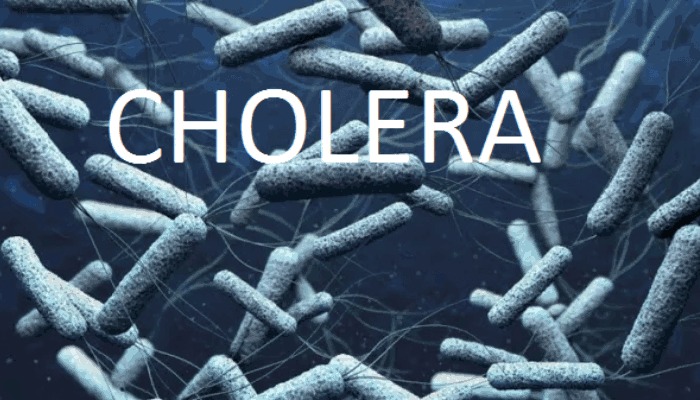
Cholera is a highly infectious disease caused by contaminated food or water and can lead to severe dehydration and death if not treated promptly. Symptoms include diarrhoea, vomiting, stomach cramps and weakness.
Public health experts have repeatedly warned that overcrowding, poor sanitation, inadequate waste disposal and lack of access to clean drinking water remain major factors contributing to recurring cholera outbreaks in several parts of Nigeria.
Residents in some affected communities reportedly expressed concerns over inadequate access to clean water and healthcare facilities, especially in rural areas where medical personnel and treatment centres are limited.
The outbreak comes amid ongoing humanitarian pressures in Borno State, which has for years battled the effects of insurgency, displacement and weakened public infrastructure.
Health authorities urged residents to maintain proper hygiene practices, including regular hand washing, proper disposal of waste, consumption of safe drinking water and immediate reporting of symptoms to nearby health centres.
Kaza stressed the importance of community cooperation in combating the outbreak, warning that failure to observe preventive measures could worsen the crisis.
He called on traditional leaders, religious organisations and community groups to support sensitisation campaigns aimed at educating residents on how to protect themselves and their families from infection.
The Borno State Government also appealed to humanitarian agencies and development partners for additional support to strengthen emergency response efforts and provide essential medical supplies.
Medical experts warned that cholera outbreaks can escalate rapidly in densely populated areas if urgent interventions are not sustained, especially where access to clean water and sanitation remains poor.
As authorities intensify containment efforts, residents across the affected local government areas have been advised to avoid drinking untreated water, maintain environmental cleanliness and seek immediate medical attention in cases of suspected infection.
The latest outbreak adds to growing concerns about recurring public health emergencies in parts of northern Nigeria, where healthcare systems continue to face pressure from disease outbreaks, insecurity and inadequate infrastructure.