By Ugoji Maximillian
For decades, politicians argued that Nigeria needed another national conference before major restructuring could happen.
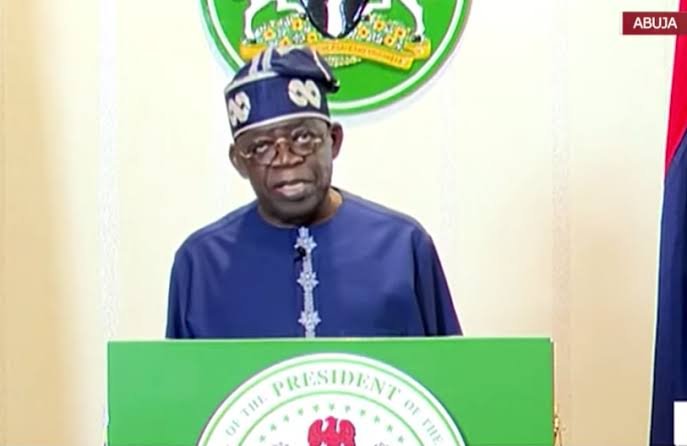
The Tinubu administration has instead pursued restructuring through constitutional amendments, fiscal reforms, energy reforms, and institutional changes.
1. State Police: The Biggest Devolution of Power Since 1999
For over 25 years, many governors, security experts, and constitutional lawyers called for state police.
Previous administrations discussed it but never pushed it this far because of fears that governors could abuse state-controlled police.
On June 24, 2026, the Senate passed the constitutional amendment bill establishing state police, with safeguards against political abuse.
The bill creates a dual policing system where states can establish their own police services while the federal police retain national security responsibilities.
This is arguably the most significant security restructuring since Nigeria returned to democracy in 1999.
2. Local Government Autonomy.
For decades, local governments were effectively controlled by state governors through the Joint Account system.
Under Tinubu, the Federal Government backed legal efforts that resulted in greater financial autonomy for local governments, allowing funds to flow more directly to councils instead of passing through state governments first.
This is a major shift of power away from governors and toward grassroots governance.
But I hope the people wake up and challenge the Governors still sabotaging it.
3. Tax System Overhaul.
No administration since 1999 has attempted a comprehensive rewrite of Nigeria’s tax system.
In 2025, Tinubu signed four major tax reform laws:
-Nigeria Tax Act
-Nigeria Tax Administration Act
-Nigeria Revenue Service Act
-Joint Revenue Board Act
The reforms simplify tax administration, reduce overlapping taxes, improve the ease of doing business, and create a more coordinated tax system.
Small businesses with annual turnover up to ₦100 million now enjoy broader tax exemptions under the new framework.
This is fiscal restructuring without changing Nigeria’s federal structure.
4. Oil Revenue Reform.
For years, critics complained that large portions of oil revenues never reached the Federation Account.
In 2026, Tinubu directed that all government oil and gas revenues be remitted directly into the Federation Account, reducing retention arrangements that previously allowed significant deductions before remittance.
This changes how Nigeria’s most important resource is managed and distributed.
5. End of Fuel Subsidy.
Many presidents promised to remove fuel subsidies.
Obasanjo tried.
Jonathan tried.
Buhari delayed.
Tinubu removed it on his first day.
The subsidy consumed trillions of naira annually and distorted public finances.
The removal freed resources for infrastructure and state allocations, though it also caused severe short-term economic pain.
6. Electricity Decentralisation
The Electricity Act allows states to generate, transmit, and distribute electricity within their territories.
For decades electricity was almost entirely controlled from Abuja.
States now have greater freedom to create independent electricity markets and attract power-sector investment.
This is another form of practical restructuring.
7. Regional Development Commissions.
Nigeria now has development commissions covering multiple regions:
North West
North East
North Central
South East
South South
South West
Instead of relying solely on federal ministries, these commissions provide region-specific development planning and intervention.
8. Increased State Revenues.
After subsidy removal and exchange-rate reforms, FAAC distributions to states increased significantly compared to previous years.
Many governors now receive more money than any administration before them, reducing the old argument that Abuja starves states of resources.
If we’re honest, we would know that these issues he’s handling have been the major issues limiting Nigeria.
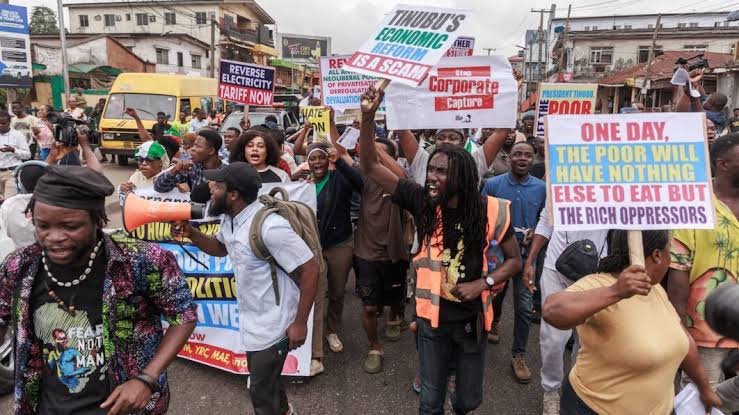
But unfortunately, the same people insulting him today have been the same people crying for years that these are reforms Nigeria needed to make
Ugoji Maximillian. Teacher of systems. Translator of power. Builder of an elite mindset. Speaker, Author, and Entrepreneur.