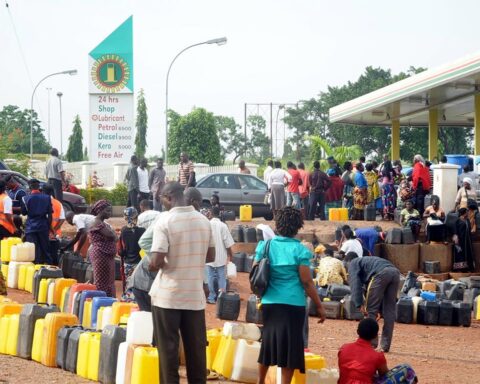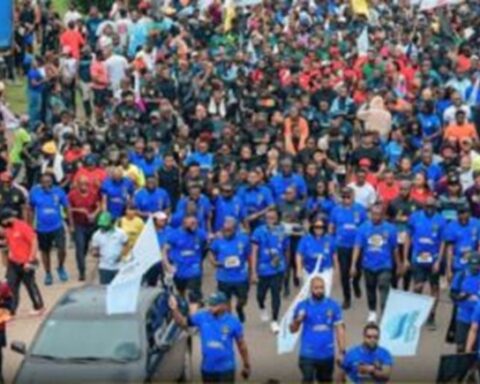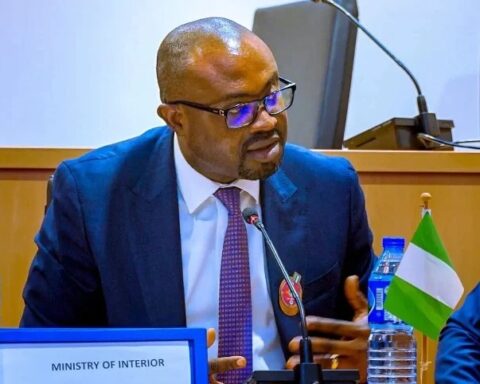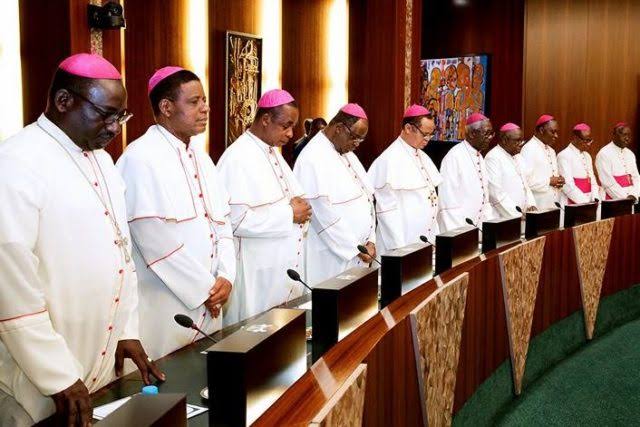
The Catholic Bishops Conference of Nigeria (CBCN) has called on governments at all levels to urgently address the compounding crises of insecurity, widespread poverty, failing infrastructure, and bad governance, warning that persistent hardship and violence continue to severely undermine the wellbeing and dignity of Nigerians.
The charge was contained in a joint communiqué released on Thursday, September 17, 2026, following the conclusion of the CBCN’s Second Plenary Meeting for 2026.
Hosted by the Catholic Diocese of Osogbo, the assembly took place from September 10 to September 18, 2026, at Our Lady and St. Kizito Pastoral Centre, Oke-Gada, Ede, Osun State. The document was officially presented during the Closing Mass at St. Benedict Cathedral in Osogbo.
The official communiqué was jointly signed and presented by the President of the CBCN, Most Rev. Matthew Man-Oso Ndagoso (Archbishop of Kaduna), and the Conference Secretary, Most Rev. Peter Olukayode Odetoyinbo (Bishop of the Abeokuta Diocese).
Acknowledging recent moves toward decentralizing the police force, the CBCN insisted that security reforms must serve the common good rather than political, ethnic, or religious interests.
The bishops condemned persistent kidnapping, banditry, illegal mining, and attacks on schools and places of worship, demanding that the Federal Government reclaim territories occupied by criminal networks and safely resettle millions of Internally Displaced Persons (IDPs).
The clerical body decried how extreme poverty has become a “despicable instrument of control,” leaving millions of families struggling to survive despite Nigeria’s rich resource base. The bishops urged government leaders to adopt economic policies that ease financial pressure on citizens, create jobs, and foster private sector growth.
Describing bad roads, erratic power supply, and inadequate water systems as major drags on daily life and economic productivity, the conference called for transparent investments in public infrastructure, particularly expanding national railway transport facilities.
The CBCN voiced strong opposition to the proposed Foreign Aids (Regulation, Transparency and Disclosure) Bill 2026, warning that its bureaucratic controls and discretionary powers would restrict humanitarian work, religious freedoms, and support for vulnerable communities.
Looking ahead to upcoming electoral cycles, the CBCN directed parishes and dioceses nationwide to initiate civic education campaigns, along with monthly fasting, prayers, and Rosary processions from October through December 2026, designating December 8, 2026, as a national day of prayer and fasting for the nation.