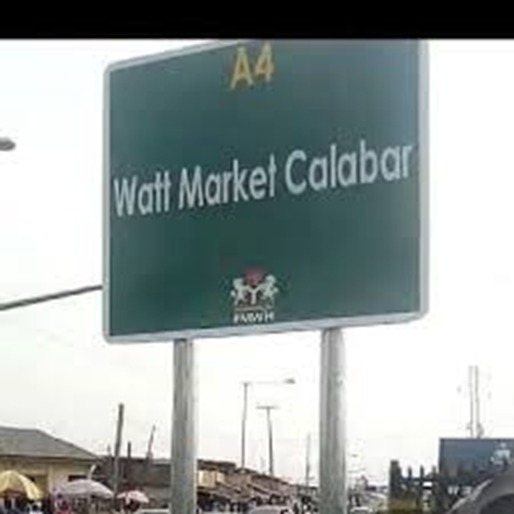
The price of garri in Watt Market does not lie. Neither does the fare from Marian to Etta Agbor, nor the rent on a two-bedroom in State Housing. For ten years the cost of living in Calabar has crept upward, but since 2023 it has sprinted. Today, the only residents not rationing are those with direct access to public funds. Everyone else is adjusting meals, withdrawing children from private schools, or leaving the state. The suffering is not rumor. It is receipts. And when receipts replace hope, people lose faith in leaders. The question is whether that loss of faith is justified, and what can be done before resignation becomes anger.
The causes are not local alone, but Calabar’s peculiarities make national shocks cut deeper. Start with May 2023. Fuel subsidy ended overnight. In a city with no functional mass transit and a grid that delivers under 8 hours of power on good days, petrol is life. Transport costs tripled. Tomatoes from Ikom doubled before they reached Marian. Fish from Akpabuyo cost more to move than to catch.
Then the naira was floated. By late 2023 the currency had fallen past ₦1,000 to the dollar, and by 2024 it was above ₦1,500. Calabar is not an industrial city. It imports rice, medicine, building materials, and spare parts through Onne and Lagos. Every devaluation became a new price tag. The state government, like most, depends on FAAC. When FAAC increased in nominal naira terms after subsidy removal, the relief was nominal. Inflation ate it before salaries were paid. Workers received wage awards that were late, partial, or owed. Pensioners waited months. So household purchasing power collapsed just as prices rose.
At ₦1,900 a liter, diesel is no longer a fuel. It is a tax. Every shop that keeps a generator, every cold room that stores fish, every borehole that pumps water, every hotel that runs air conditioners, and every truck that moves tomatoes from Ikom to Watt Market now carries that tax and passes it to you. The price is not abstract. It is the reason a plate of food that was ₦700 in 2022 is ₦2,500 today. It is why a barber now charges ₦1,000 to cut hair under a fan that dies when the generator rests. Diesel at ₦1,900 means power is rationed by income, and in Calabar, most incomes lost that race in 2023.
Rent has followed the same curve, but with less noise. A two-bedroom in State Housing that went for ₦450,000 annually in 2021 now lists for ₦1.2 million to ₦1.5 million. A single room self-contain in Ekorinim that was ₦120,000 is ₦550,000., and landlords demand two years upfront. They quote diesel, cement, and the dollar, and they are not lying. Cement moved because haulage moved. Haulage moved because diesel moved and because the Calabar-Itu road became a negotiation at every bend.
Tiles, rods, and roofing sheets arrive from Onne with two sets of invoices: the official one and the road one. So new buildings cost more, old buildings charge more, and tenants either pay or leave. Families now double up. Graduates return home. A teacher and a nurse with two children now share one room in Anantigha because their combined ₦140,000 salary cannot carry rent, food, and transport. The middle class is compressing into single rooms, and the poor are being pushed to the edges of 8 Miles and beyond, where transport then takes what rent saved.
Transport fares finish the triangle. A drop from Marian to Watt that was ₦100 is now ₦300 to ₦400. Etta Agbor to UNICAL is ₦500 if you are lucky. 8 Miles to Marian by bus is ₦700 each way. Keke riders calculate three things: fuel, daily delivery to the owner, and spare parts priced in dollars. Since 2023, all three rose together. Subsidy removal tripled petrol. The naira’s float moved a tire from ₦15,000 to ₦45,000. The owner still wants ₦3,500 a day. The rider transfers that math to the passenger. So a worker who earns ₦70,000 spends ₦22,000 a month just moving to work and back, before food, before light, before school.
A trader in Watt Market who lives in Akpabuyo now spends ₦1,800 daily on transport alone. That is ₦46,800 a month. That is the new poverty line. It is not unemployment. It is employment that cannot carry a household. The illustrations multiply. A painter in Goldie now rejects jobs in Satellite Town because the fare erases the profit. A UNICAL student skips lectures three days a week because transport takes half the ₦1,000 her mother sends. A bottle of palm oil that leaves Biase at ₦800 arrives in Calabar at ₦1,600 because the truck pays “community dues” at four stops and police “roger” at three more.
Monetary policy tightened at the same time. The Central Bank raised the cash reserve ratio to 50 percent and the policy rate to 27.75 percent to fight inflation. Banks in Calabar stopped lending to small traders and farmers. The woman who borrowed ₦200,000 to stock her shop in 2022 now faces 35 percent interest, if the bank answers at all. So supply shrank while prices rose. That is the textbook definition of stagflation, and Calabar felt it in the market stalls before economists named it.
Add state-level realities. Cross River is not Lagos. Internally generated revenue is thin, debt is heavy, and the civil service payroll dominates the budget. Tourism, once Calabar’s comparative advantage, has not recovered to pre-COVID levels. Tinapa is a shell, the Marina is quiet, and insecurity on the Calabar-Itu road pushed visitors to Uyo and back. A hotelier at the Marina keeps 12 rooms lit with a 20KVA generator that drinks ₦40,000 in diesel a night, so a room that was ₦12,000 in 2021 is ₦35,000 today, and occupancy is 30 percent.
Agriculture around Akamkpa and Odukpani is rich, but roads are poor and extortion at checkpoints is a tax without a receipt. So food from the hinterland is expensive by the time it reaches town. The Obudu Ranch promise never became a product pipeline. The state’s signature projects of the last decade were either abandoned, incomplete, or politically symbolic. Capital releases were low. Contractors were owed. That means no new jobs were created to absorb graduates, and no new wages entered the market to cushion inflation.
Is this a policy issue? Yes, but not only. National policy set the fire: subsidy removal without transport palliatives, currency float without export growth, tariff hikes without power. State policy failed to build a firebreak. There was no coordinated food supply program between the state and local governments. No mass transit scheme with dedicated lanes and compressed gas buses to break the petrol-fare link. No industrial park with embedded power for processing cassava, cocoa, and palm oil. No property tax reform to capture value in the rising GRA and MCC corridors to fund services. Policy did not cause all the pain, but policy did not prevent preventable pain. Are the leaders responsible? Responsibility in a democracy is not about intent.
It is about outcomes. A governor does not control the dollar or global oil prices. But a governor controls land, taxes, contracts, security coordination, and the wage bill. When appointments reward loyalty over competence, when budgets are secret, when due process is bypassed, when the civil service is demoralized, the state loses the capacity to respond. Foot soldiers who cannot read a balance sheet cannot protect a treasury. When every project is a photograph and not a program, lean resources leak. So yes, leaders bear responsibility for the part of the crisis that is administrative. They did not create the storm, but they left the windows open.
The consequences for the state are already compounding. Human capital is voting with its feet. Nurses take calls in Uyo. Developers move crews to where cement is cheaper by ₦400 a bag. Tourists compare a weekend in Calabar with the same budget in Kigali and choose the flight. A final-year engineering student at UNICROSS graduates and relocates to Port Harcourt because a tech hub with power and internet does not exist here.
IGR stagnates because the base is bleeding, so the state leans harder on FAAC and borrowing. Debt service then eats the FAAC that arrived, and the cycle repeats. Faith in leaders thins because citizens can do their own audit. They see convoys, they see contracts, they do not see power, buses, or price drops. That gap between public spend and private relief is where cynicism lives.
The cost of living is therefore higher than envisaged because three fixed costs now behave like variable shocks. Diesel sets the price of everything that is cold, cooked, or connected. Rent sets the price of staying in the city. Transport sets the price of participating in the economy. When those three rise together, the market does not adjust.
It breaks. Traders shrink portions instead of raising prices twice. Parents withdraw children from private schools not because fees rose, but because the bus to school rose. Artisans refuse jobs outside their street because movement erases margin. The city begins to run on proximity, not productivity. And a city that runs on proximity cannot grow.
What options exist to break the cycle, specifically from 2023 to today and forward? The state government must move from announcements to systems.
First, break the diesel choke on transport. Roll out 250 CNG buses on exclusive lanes across Calabar metropolis within four months, with fares capped at 40 percent of current tricycle rates and subsidized directly from the state’s share of subsidy savings. Pay operators per kilometer, tracked digitally. If movement is cheaper, food is cheaper.
Second, attack power at the load, not with speeches. Ring-fence 30MW of embedded generation for Watt Market, Marian Market, and the EPZ using gas from the existing line, and allow traders to buy prepaid at ₦120 per kWh instead of running ₦1,900 diesel. A cold room that spends ₦180,000 a week on diesel can spend ₦60,000 on grid power and cut fish prices by a third.
Third, stabilize rent by increasing supply and regulating process. Release state land in 8 Miles and Akpabuyo for public-private mid-income housing with 15-year payment plans. Pass and enforce a tenancy law that caps agency and legal fees at 10 percent and outlaws six-month advance demands. Supply and law do what appeals cannot.
Fourth, crush the road tax that is not in the budget. Dismantle illegal checkpoints from Calabar to Ikom and replace them with two certified revenue points manned by a joint taskforce with body cameras. Publish the tariff. A tomato truck that saves ₦80,000 in extortion brings tomatoes that cost ₦300 less per basket.
Fifth, pay people. Clear pension and gratuity backlogs with a bond tied to IGR, and pay a verified wage award until the minimum wage review is implemented. Money in the hands of workers is demand in the hands of traders.
Sixth, create a state food reserve and market intervention unit. Buy grains, tubers, and palm oil directly from cooperatives in Biase, Yakurr, and Odukpani at harvest, store in silos, and release to Watt and Marian markets when prices spike. The state should not compete with traders. It should smooth the market.
Seventh, fix the Calabar-Itu and Calabar-Ikom corridors as economic roads, not political roads. Use emergency procurement with independent engineers and pay only on certified kilometers. A one-hour trip that becomes three hours because of craters is a food tax.
Eighth, revive the tourism economy with safety and cleanliness. Establish a joint patrol and cleanup force for the Marina, Museum, and Millennium Park axis, and concession Carnival to a private consortium with the state as regulator. Tourism is foreign exchange without a port.
Ninth, build a tech and artisan cluster with 24-hour power and internet in the old Tinapa zone. Give 1,000 youths subsidized desks, tools, and export training. A coder who earns dollars spends naira in Calabar.
Tenth, publish everything. The budget, contract awards, FAAC inflows, IGR, and debt service must be online monthly. When citizens see where money goes, they trust where money is asked. A government that hides figures cannot ask for patience.
Calabar is not poor. It is squeezed. The difference between the two is whether leaders choose to build valves that release pressure. Diesel at ₦1,900, rent that doubles, and fares that triple are not destiny. They are the price of leaving households to face national reforms without local systems. Reverse that, and the cost of living falls not because Abuja changes, but because Calabar works. Until then, the people are right to keep receipts. Receipts are how faith is audited.