The European Commission actively communicates with audiences in partner countries about our international partnerships’ portfolio around key events. We are grateful for your (CAJ) action in the essential role that African journalists play in fostering open, informed public debate”– Laurent SILLANO, Head of Unit, European Commission Headquarters
European Commission’s timely response comes as a major milestone for the Congress of African Journalists’ testament to its growing international standing”-Margarita Al, President of the World Organization of Writers
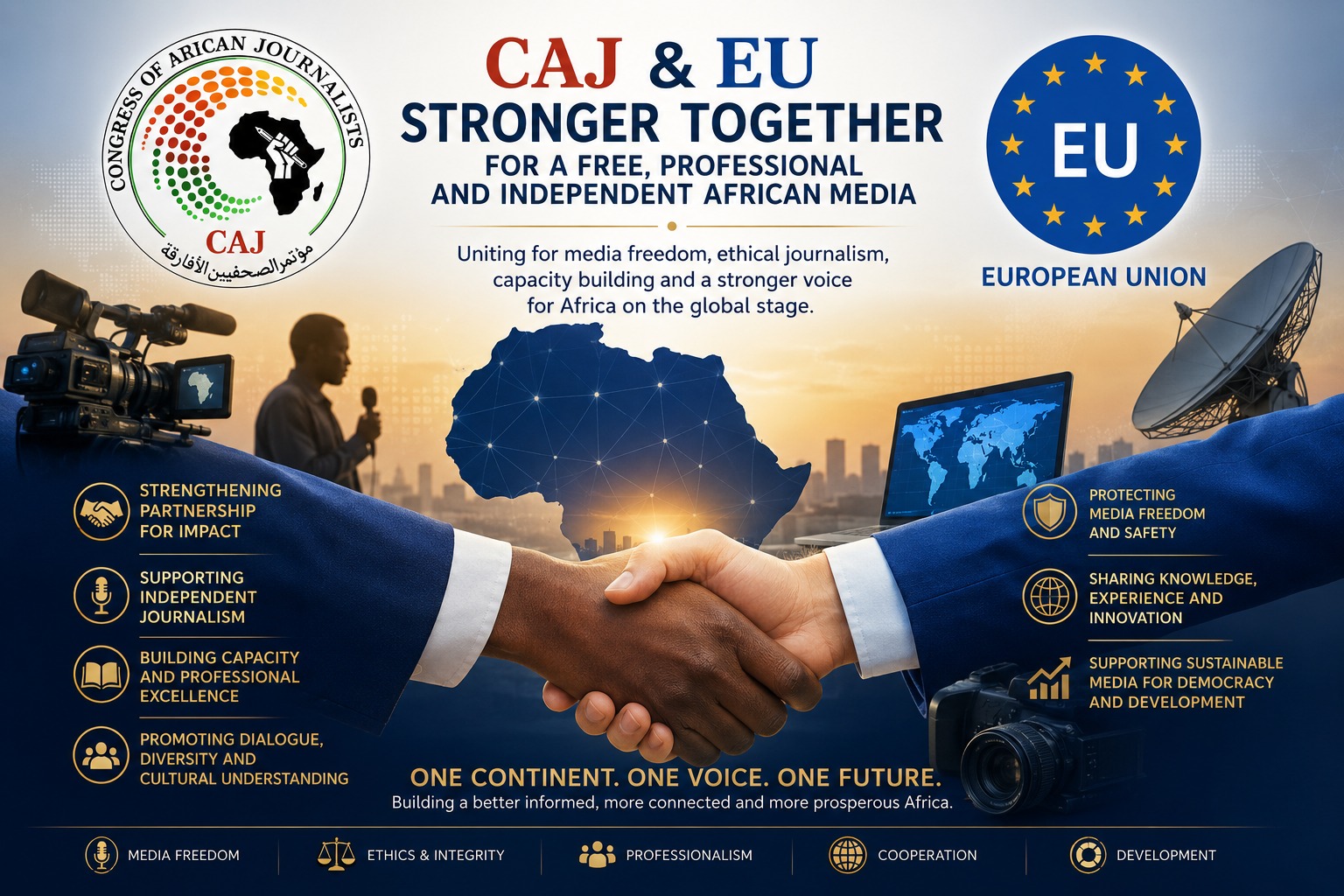
HISTORY is in the making in Africa, a continent of 54 African nations as the European Commission (EU) has boldly come out to celebrate the remarkable feat attained and the sterling leadership role presently occupied by the Congress of African Journalists (CAJ) in laudable appreciation of defending the rights and welfare of the media, consistently fighting for the independent press and ensuring various humanitarian activities of the EU occupy the front lead in the African news cycle.
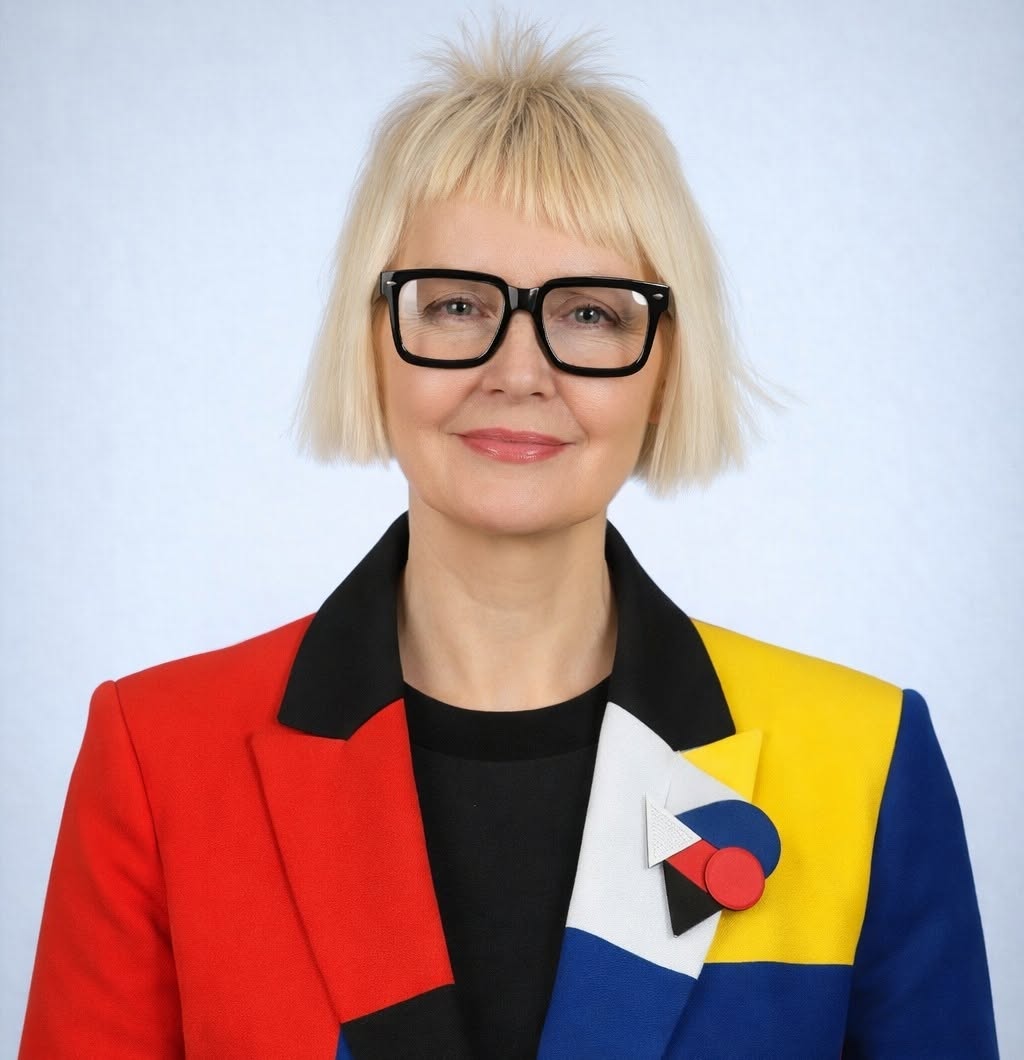
Also, Margarita Al, President of the World Organization of Writers in a congratulatory letter to CAJ stated that while international politics and European Union policies often invite careful analysis and global scrutiny, the European Commission’s response to CAJ should be viewed as an important practical achievement for African journalism.
Meanwhile, in a letter issued on behalf of the President of the European Commission, the Directorate-General for International Partnerships acknowledged the Congress of African Journalists’ proposal for collaboration and commended its commitment to strengthening African journalism and enhancing communication on EU–Africa relations. The Commission also recognized the essential role played by African journalists in promoting informed public debate, freedom of expression, and access to reliable information across the continent.
While explaining that the proposed partnership could not be established under the current framework, the European Commission encouraged CAJ to maintain close contact with EU Delegations across Africa and to participate actively in future funding and cooperation opportunities available through the Commission’s international programmes. The letter also highlighted the European Union’s growing investment in supporting the resilience, financial sustainability, and professional development of independent media, particularly through the new Partnership for Accountability, Civic Engagement and Democratic Governance (PACED) initiative focused on Sub-Saharan Africa.
For CAJ, the correspondence represents more than a formal exchange-it is an acknowledgment that African media institutions are increasingly becoming indispensable partners in shaping democratic dialogue, civic participation, and international understanding. As Africa’s media landscape continues to evolve, CAJ sees this recognition as encouragement to expand its continental and global engagement.
Looking ahead, CAJ is strengthening its long-term strategy to build partnerships with international institutions, universities, development organizations, media networks, and civil society across Africa and beyond. The organization aims to develop sustainable programmes in investigative journalism, digital transformation, media innovation, professional training, and cross-border reporting while promoting ethical journalism and intercultural dialogue.
Laurent SILLANO, Head of Unit, European Commission Headquarters: “The European Commission actively communicates with audiences in partner countries about our international partnerships’ portfolio, through both wide-ranging public campaigns and more specialised communication around key events. These activities are coordinated at HQ and at partner-country level through our network of EU Delegations: “We are grateful for your (CAJ) interest in these efforts and for the essential role that African journalists play in fostering open, informed public debate”.
Michael Ayodeji Adeboboye, Chairman, Board of Trustees, CAJ International Magazine, said: “We are encouraged by the EU’s recognition of the challenges facing African journalists today. Press freedom is not a luxury; it is the foundation of accountable government. This engagement opens a new chapter for partnership between African media and our international allies.”
The Congress also plans to deepen cooperation among journalists throughout the African continent and the diaspora through its expanding professional networks, CAJ International Magazine, thematic conferences, media forums, and collaborative editorial projects. By connecting journalists across linguistic, cultural, and regional boundaries, CAJ seeks to contribute to a stronger, more independent African media ecosystem capable of telling Africa’s stories from African perspectives.
“The future of African journalism depends on institutions that invest in knowledge, integrity, and international cooperation,” said Dr. Ashraf Aboul-Yazid Dali, Secretary-General of the Congress of African Journalists. “This correspondence encourages us to continue expanding our partnerships and to position CAJ as a trusted continental platform for professional journalism, media development, and cultural dialogue.”
Dr George Otumu, CAJ Diaspora Chairman commenting on the letter sent today from Brussels, under the theme of Regional and Multi-Country Programmes for Africa: “It is with great delight, the Board of Trustees’ (BOT) of the Congress of African Journalists (CAJ) received this prestigious endorsement from the European Commission (EU) on all matters relating to media projects’ publicity in the African continent. Let it be on the record that CAJ is the only African Journalists Association today to have earned this reputable status from the European Commission by a dint of hard work, caring for African journalists’ safety in the pursuit of their media profession”.
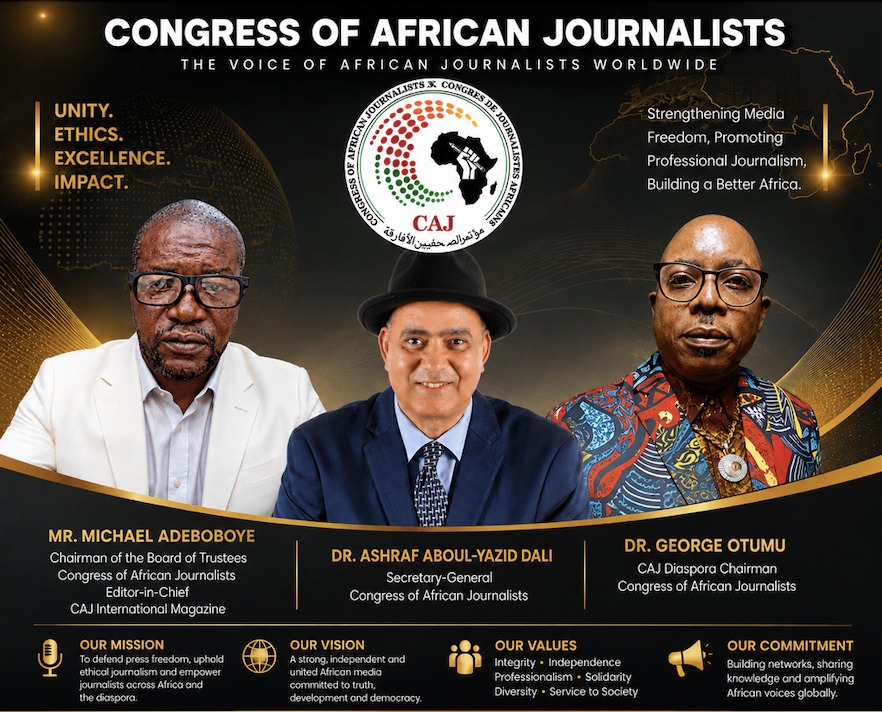
As Africa enters a new era of digital communication and international cooperation, the Congress of African Journalists remains committed to empowering journalists, defending press freedom, encouraging responsible reporting, and creating opportunities for collaboration with global partners. The organization’s vision is to become one of Africa’s leading professional media bodies-connecting journalists, supporting excellence, and contributing to a more informed, inclusive, and democratic future for the continent.
Similarly, in a message addressed to Dr. Ashraf Aboul-Yazid Dali, Secretary-General of the Congress of African Journalists, Margarita Al congratulated the entire CAJ leadership, praising the organization’s persistent efforts to advance journalism across the African continent.
Reflecting on the broader international context, the President of the World Organization of Writers did not hold back her observation as she emphasised that while international politics and European Union policies often invite careful analysis and global scrutiny, the European Commission’s response should be viewed as an important practical achievement for African journalism.
She also extended her best wishes to the leadership of the Congress, expressing confidence in its ability to transform international recognition into tangible benefits for journalists throughout Africa.
The Congress of African Journalists views this message as another indication of the growing international support for its mission to strengthen independent journalism, promote professional excellence, and expand partnerships with institutions committed to media development and freedom of expression.
The recognition from both the European Commission and leading international cultural figures reinforces CAJ’s vision of becoming a leading continental platform that connects African journalists, encourages ethical journalism, supports professional development, and amplifies African voices on the global stage.
As the organization continues to expand its international partnerships, CAJ remains committed to building bridges between Africa and the global media community, ensuring that African journalists have greater opportunities for collaboration, training, innovation, and sustainable media development.