By Adebamiwa Olugbenga Michael
Few Nigerians know that parts of Oke-Ogun and areas surrounding Old Oyo National Park are believed to contain significant deposits of gold, lithium, tantalite and other valuable minerals. As reports of illegal mining and worsening insecurity continue to emerge from parts of the region, attention is increasingly turning to whether the two challenges are connected. While experts say the overlap deserves serious investigation, there is no conclusive evidence that violence is being deliberately orchestrated to create access for mining activities.
Geological studies and investigative reports have confirmed the presence of commercially valuable minerals in parts of Oyo State, making the area attractive to both licensed operators and illegal mining networks. Security analysts say the vast size of Old Oyo National Park, combined with limited security patrols, has created spaces where illegal miners, armed gangs and kidnappers can operate with little interference. This has strengthened concerns that criminal groups may be exploiting weak governance to profit from the region’s natural resources.
Investigations by journalists, security experts and government agencies have also documented the activities of organised illegal mining networks involving financiers, transporters, local collaborators and foreign buyers. Chinese nationals and companies have repeatedly appeared in enforcement actions across several Nigerian states over alleged illegal mining offences. However, experts caution against making blanket accusations against any nationality or community, noting that illegal mining typically relies on a complex network of actors and that responsibility should be determined through credible investigations and due process.
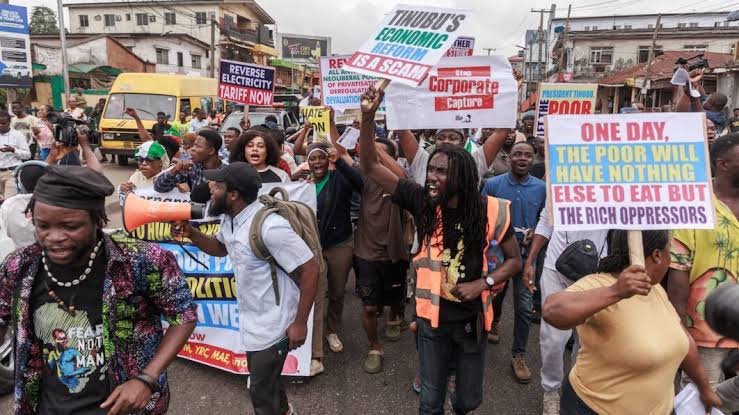
Beyond security concerns, the environmental cost is becoming increasingly visible. Communities around mining areas have reported deforestation, damaged farmland, polluted water sources and declining agricultural productivity. In places such as Itasa in Iwajowa Local Government Area, residents have staged peaceful protests, demanded legally required Community Development Agreements and called for stronger environmental protections. Community leaders argue that while valuable minerals are extracted from their land, local people continue to bear the environmental and social costs.
Despite widespread allegations, there is no verified evidence proving that politicians, traditional rulers or entire communities are systematically directing illegal mining operations or orchestrating insecurity to support them. Similarly, although insecurity frequently interconnect with illegal mining locations, experts stress that correlation alone does not establish direct link. These unresolved questions have reinforced calls for independent investigations, stronger law enforcement, tighter regulation of mineral exports and greater transparency in the solid minerals sector.
For many observers, the growing debate extends beyond illegal mining itself. It raises far reaching questions about resource governance, environmental protection, national security and whether Nigeria is adequately safeguarding its mineral wealth. Analysts say the priority should be expanding security around vulnerable mining corridors, enforcing existing mining laws, protecting host communities and ensuring that any individual or organisation found to have violated the law is investigated and prosecuted based on credible evidence rather than speculation.
Adebamiwa Olugbenga Michael is a Lagos-based journalist, political economy and policy analyst, and publisher