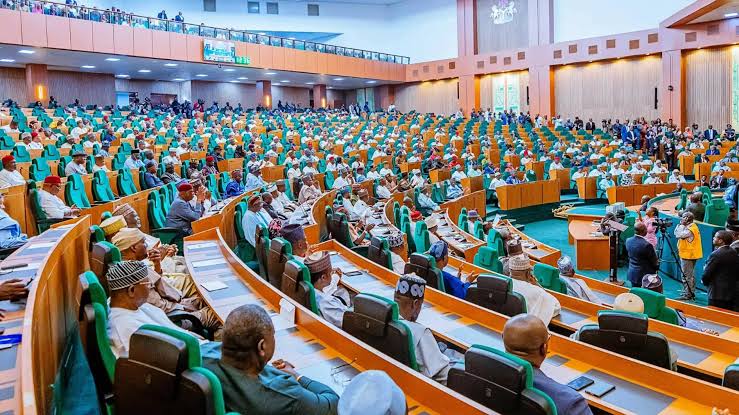
The House of Representatives has formally welcomed the unanimous approval by all 36 State Houses of Assembly of the proposed constitutional amendment establishing State Police Services across the federation.
In an official press statement issued at approximately 12:30 PM on Tuesday, November 17, 2026, from the National Assembly Complex in Abuja, the Spokesperson of the House of Representatives, Rep. Akin Rotimi, described the 100 percent ratification as a historic milestone in Nigeria’s ongoing Sixth Constitution Alteration process.
The Green Chamber’s reaction followed a formal confirmation released on Monday, November 16, 2026, by the Clerk to the National Assembly, Kamoru Ogunlana.
Ogunlana announced that his office had concluded the verification process for all legislative resolutions submitted by the state legislatures, confirming that the bill comfortably surpassed the mandatory constitutional threshold of 24 states required under Section 9(2) of the 1999 Constitution (as amended).
The unanimous endorsement capped a rapid sequence of legislative actions over the weekend. On Sunday, November 15, Senate Leader Opeyemi Bamidele had disclosed that 32 state assemblies had already submitted their approvals, noting that the remaining four states were expected to turn in their reports ahead of the National Assembly’s plenary resumption.
By Monday afternoon, November 16, all 36 assemblies had formally transmitted their endorsements to the federal legislature.
In Tuesday’s statement, the House leadership commended the collective resolve of both chambers of the National Assembly, singling out the House Committee on Constitution Review, chaired by Deputy Speaker Benjamin Kalu, for steering the delicate legislative process.
The House also applauded state governors, speakers, and lawmakers across the 36 states for setting aside partisan differences to prioritize national security reform.
Under the approved constitutional framework, independent State Police Service Commissions will be established to oversee recruitment, promotions, and discipline, while State Commissioners of Police will be appointed by governors upon the recommendation of the National Police Council and subject to confirmation by their respective state assemblies.
Meanwhile, the Federal Police Service will retain exclusive jurisdiction over federal laws, terrorism, cybercrime, and border security, alongside constitutional safeguards allowing for temporary federal intervention in states during severe breakdowns of public order.
According to both the Clerk to the National Assembly and the House leadership, the completion of the verification exercise clears the final legislative hurdle for the formal transmission of the Constitution Alteration Bill to President Bola Tinubu at the Presidential Villa in Abuja for presidential assent.
Rep. Rotimi further noted that this unprecedented consensus provides a strong foundation for the National Assembly to expedite the transmission of the remaining Sixth Constitution Alteration Bills to the State Houses of Assembly for their consideration.
Once signed into law by the President, federal and state legislatures will proceed to enact enabling statutes to operationalise the new decentralised policing architecture nationwide.