The Corporate Accountability and Public Participation Africa (CAPPA) and the Africa Make Big Polluters Pay Coalition have warned that continued fossil fuel expansion, corporate capture, and loan-based climate financing threaten to derail Africa’s climate commitments and deepen the vulnerability of frontline communities.
The warning was issued during a media briefing and joint report launch held in Lagos on Tuesday, November 10, 2026, with formal public dissemination continuing through Wednesday, November 11, 2026.
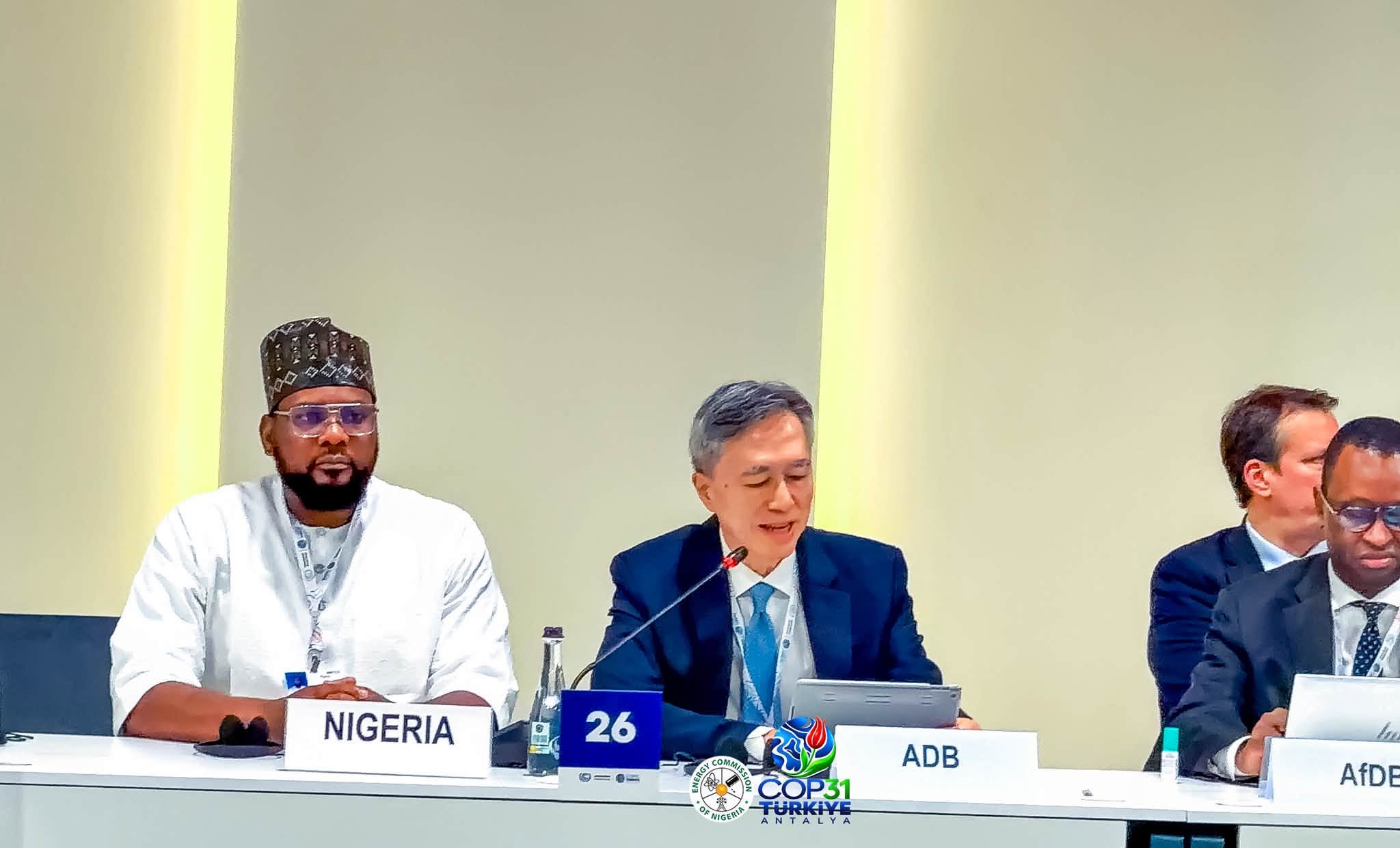
While specific time-of-day stamps and street-level venue details for the Lagos briefing were not disclosed in public press releases, the event was timed to coincide with the opening week of the 31st United Nations Climate Change Conference (COP31) in Antalya, Türkiye, where global leaders and climate negotiators are deliberating on international climate finance and emissions targets.
At the briefing, the organizations unveiled two policy assessments: Four Years On: Examining Nigeria’s Just Transition Plan and Nationally Determined Contributions in Africa: A Five-Country Policy Analysis.
Speaking at the launch, CAPPA’s Executive Director, Akinbode Oluwafemi, questioned whether African climate policies are genuinely protecting citizens or merely creating new avenues for corporate profit.
He pointed to stark contradictions across the continent’s energy landscape, beginning with Nigeria, where the country’s pledge to achieve net-zero emissions by 2060 directly clashes with its official target of ramping up crude oil production to three million barrels per day by 2030.
Oluwafemi further noted that Nigeria’s just transition guidelines still await Federal Executive Council approval, even as over 80 million citizens remain without reliable electricity access.
Similar contradictions were highlighted in Uganda, where French energy giant TotalEnergies promotes solar and renewable investments while simultaneously spearheading the East African Crude Oil Pipeline (EACOP) and the Tilenga oil project, as well as in Cameroon, where authorities have pursued negotiations over five oil exploration blocks involving operators such as Murphy West Africa and Octavia Energy despite stated decarbonization goals.
Reading a joint press statement at the event, CAPPA’s Assistant Executive Director, Zikora Ibeh, emphasized that the findings speak directly to the critical choices before negotiators at COP31.
The five-country analysis raised alarm over the growing influence of private consultants and major polluters in shaping national climate frameworks, citing Togo’s engagement of Paris-based carbon advisory firm Cibola Partners as a key example.
The reports also warned against an over-reliance on carbon offsetting mechanisms, referencing documentation by the Oakland Institute on forced evictions linked to the Kachung forestry carbon-credit project in Uganda.
Representatives from partner organizations across Africa joined the call for stronger community protections and rights-based climate action. Ndivile Mokoena, Founder and Chief Executive of South Africa’s Yielding Intersectional Movements, called for adequate climate finance backed by practical implementation.
Echoing the need for systemic reform, Acola Amina, Executive Director of Uganda’s Nia Environment & Zero Carbon Alliance, stressed that achieving a rights-based, ecofeminist climate agenda requires inclusive participation and collective commitment.
Meanwhile, Kwami Kpondzo, Executive Director of Togo’s Centre pour la Justice Environnementale, warned that carbon markets and geoengineering schemes risk worsening the plight of vulnerable populations.
To prevent climate interventions from worsening Africa’s debt crisis, CAPPA and the coalition urged African governments and negotiators at COP31 to reject debt-driven financing and instead demand predictable, grant-based climate finance and reparations from historically high-emitting nations rather than loans that deepen sovereign indebtedness.
The groups further called on policymakers to curb corporate capture by establishing binding conflict-of-interest safeguards that prevent fossil fuel corporations and private carbon consultants from dictating national climate policies, while banning carbon offsetting as a substitute for direct emissions cuts by major polluters.
Finally, the coalition urged governments to protect land and workers by enforcing community land rights, giving Indigenous Peoples, smallholder farmers, and rural women the right to reject projects that threaten their livelihoods, and by funding a planned phase-down of fossil fuels supported by decentralised renewable energy, worker retraining, and environmental remediation.