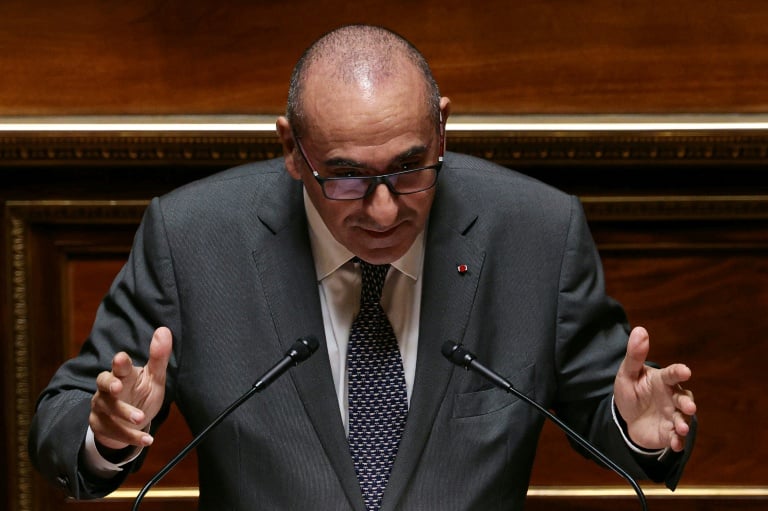
The French Senate passed a contentious bill on Wednesday, October 28, 2026, that would make demonstrators financially liable for property damage caused during street protests, defying warnings from critics that the measure severely threatens the constitutional right to demonstrate. The upper chamber of Parliament, dominated by a right-wing and centrist coalition, voted 229 to 105 to approve the expanded legislation.
Under the proposed law, courts could order individuals to pay up to €10,000 in compensation for damage linked to public unrest. Crucially, the measure establishes shared financial liability for anyone judged to have knowingly participated in a group formed to carry out vandalism, and it extends financial penalties to individuals who voluntarily remain at a gathering after police issue two formal dispersal orders.
To enforce these payments, the legislation grants authorities the power to seize state-issued welfare benefits, housing assistance, and family allowances to cover unpaid damages. The legislative push follows months of heightened social unrest across France. The bill was initially drafted in May following riots after Paris Saint-Germain’s victory in the UEFA Champions League, but it gained significant momentum following nationwide demonstrations over economic inequality on October 17, which degenerated into widespread looting that left thousands of businesses damaged.
Over a single recent weekend, police arrested 1,314 people and recorded 53 officer injuries alongside scores of vehicle and store fires in major urban centers. During the debate at the Palais du Luxembourg, government officials defended the legislative push as an urgent step to safeguard public funds and restore public order.
Interior Minister Laurent Nuñez urged lawmakers to confront the recent destruction, declaring that the country could no longer allow the vast majority of citizens to pay for a minority of vandals. Centre-right Senator Olivier Bitz of the Horizons party sought to address civil liberties concerns during the session, emphasizing that the bill was not designed to criminalise passers-by or peaceful protesters.
Far-right leader Marine Le Pen and conservative factions also voiced strong backing for the measure. However, opposition lawmakers and human rights advocates swiftly denounced the legislation. Left-wing senators tabled two motions to reject the text outright, both of which failed to pass.
Communist party Senator Fabien Gay condemned the bill during parliamentary debate as a legal travesty that deliberately conflates peaceful protesters with violent rioters. Outside parliament, human rights organizations warned of severe social consequences if the law takes effect.
Nathalie Godard of Amnesty International France cautioned that seizing family allowances, housing assistance, or solidarity income would have disastrous consequences for vulnerable populations.
Furthermore, a joint statement published in Le Monde by leading trade unions and student advocacy organisations warned that joint liability rules would encourage arbitrary police action and penalize individuals who personally committed no violence or destruction.
The bill now moves to the National Assembly, where opposition parties are preparing a fierce battle to defeat or strip back the bill’s most punitive financial clauses.