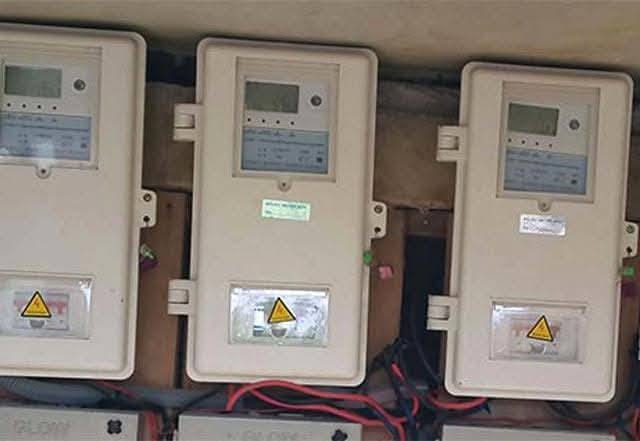
Energy sector experts have called for an immediate expansion of local meter manufacturing, sustainable long-term financing models, and a broader adoption of smart technology to accelerate deployment and eliminate Nigeria’s persistent electricity metering gap.
Speaking during an industry stakeholder webinar on Monday, October 26, 2026, in Lagos, industry leaders emphasized that overreliance on imported components and volatile funding arrangements continue to undermine progress across the Nigerian Electricity Supply Industry (NESI).
Webinar host Mr. Odion Omonfoman revealed that adopting innovative distribution models has enabled significant progress. He disclosed that his organisation had attained over 90 percent metering coverage, deploying more than 200,000 meters through the Meter Asset Provider (MAP) framework and vendor-financing structures.
Omonfoman underscored that metering remains a critical strategic investment for revenue assurance, enabling consumers to pay strictly for energy consumed while ending the widespread dissatisfaction associated with estimated billing.
Echoing these views, Engr. Alegie Alfred, Head of Metering at Power Limited Electric Company (MPLEC), outlined operational measures taken to safeguard investments.
Alfred explained that power distribution entities are actively countering energy theft, meter bypass, and infrastructure vandalism through routine field inspections, real-time remote monitoring, consumption pattern analytics, consumer education, and dedicated revenue-protection teams.
Providing international context, Ms. Ravleen Sethi, Director of Large Corporate Ratings at CareEdge, shared lessons from India’s energy transition.
Sethi highlighted how structured government-backed programs, robust private-sector investments, and tailored credit arrangements significantly accelerated smart-meter rollout across India, offering a proven blueprint for emerging markets like Nigeria.
Stakeholders concluded by urging policymakers and regulators to incentivize domestic assembly plants, streamline capital access, and integrate advanced metering infrastructure (AMI) to stabilize distribution network collections and secure the power sector’s financial viability.