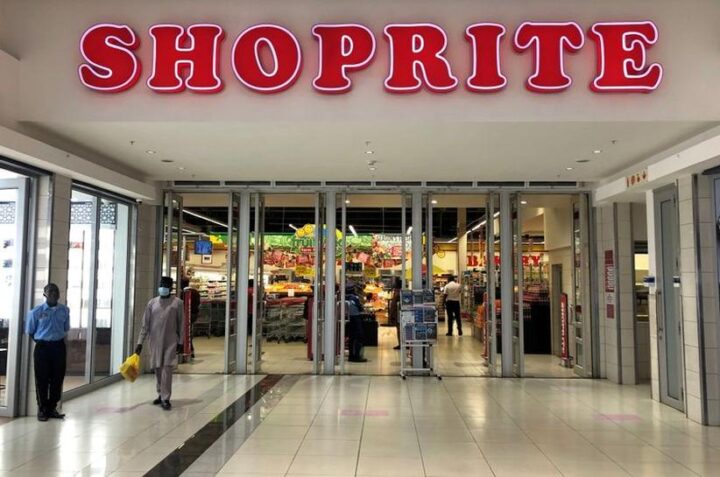
Shoprite Nigeria is pivoting away from large mall-based anchor stores to launch standalone neighbourhood outlets in a strategic bid to cut operating costs and revive its business. The strategic pivot follows financial difficulties linked to macroeconomic headwinds, severe currency depreciation, and dollar-denominated rental commitments across its store network.
The executive leadership confirmed that the retail giant is moving away from committing massive capital to large-format shopping mall developments. Instead, the brand will focus on smaller, lean supermarket models situated directly within residential communities.
Speaking during a financial media session in Lagos on Saturday, October 24, 2026, Adekunle Adebiyi, Executive Director of Investments at MBO Capital Management Limited, the investment firm behind Retail Supermarkets Nigeria Limited, disclosed that three previously shuttered Shoprite stores have already reopened after temporary operational halts to negotiate terms with local suppliers and restructure obligations.
Adebiyi noted that the retailer will focus on smaller neighbourhood outlets rather than relying mainly on large shopping malls, allowing it to concentrate on core supermarket operations without committing substantial capital to property development.
This builds on earlier disclosures from Bunmi Adeleye, Chief Strategy Officer at Retail Supermarkets Nigeria Limited. Adeleye explained that while key locations, such as The Palms Shopping Mall in Oniru and Circle Mall in Jakande, Lagos, remain central to the brand’s presence, smaller retail formats are necessary to curb exorbitant overheads related to rent, diesel, and power generation.
The operational shift comes in the wake of a phased restructuring program that officially commenced in August 2025. According to management disclosures, several key factors contributed to the retailer’s operational pressures, primarily centered on currency fluctuations and infrastructure costs.
Approximately seventeen of Shoprite’s twenty-eight Nigerian outlets carried dollar-denominated lease agreements at the time of acquisition. Sharp foreign exchange volatility and naira depreciation inflated lease obligations, pushing rent expenses far above the industry standard of eight to ten percent of revenue.
Additionally, following its separation from the South African parent company, the firm had to replace its enterprise resource planning systems, requiring billions of naira in unbudgeted technology capital expenditure, while temporary store closures were instituted earlier in the year to realign inventory management processes and settle vendor payment terms.
While Retail Supermarkets Nigeria Limited has not yet published the exact dates, total store count, or specific suburban locations for the initial rollout of the new standalone stores, executive leadership emphasized that the neighbourhood format will fundamentally alter the shopper experience.
By positioning smaller outlets directly within residential clusters, the company aims to reduce transit times for consumers seeking daily essentials while maintaining a tailored inventory of fast-moving consumer goods tailored to local demand, all alongside continued operations at its major reopened hub locations in Lagos and Abuja.