By Oluwasore Alabi
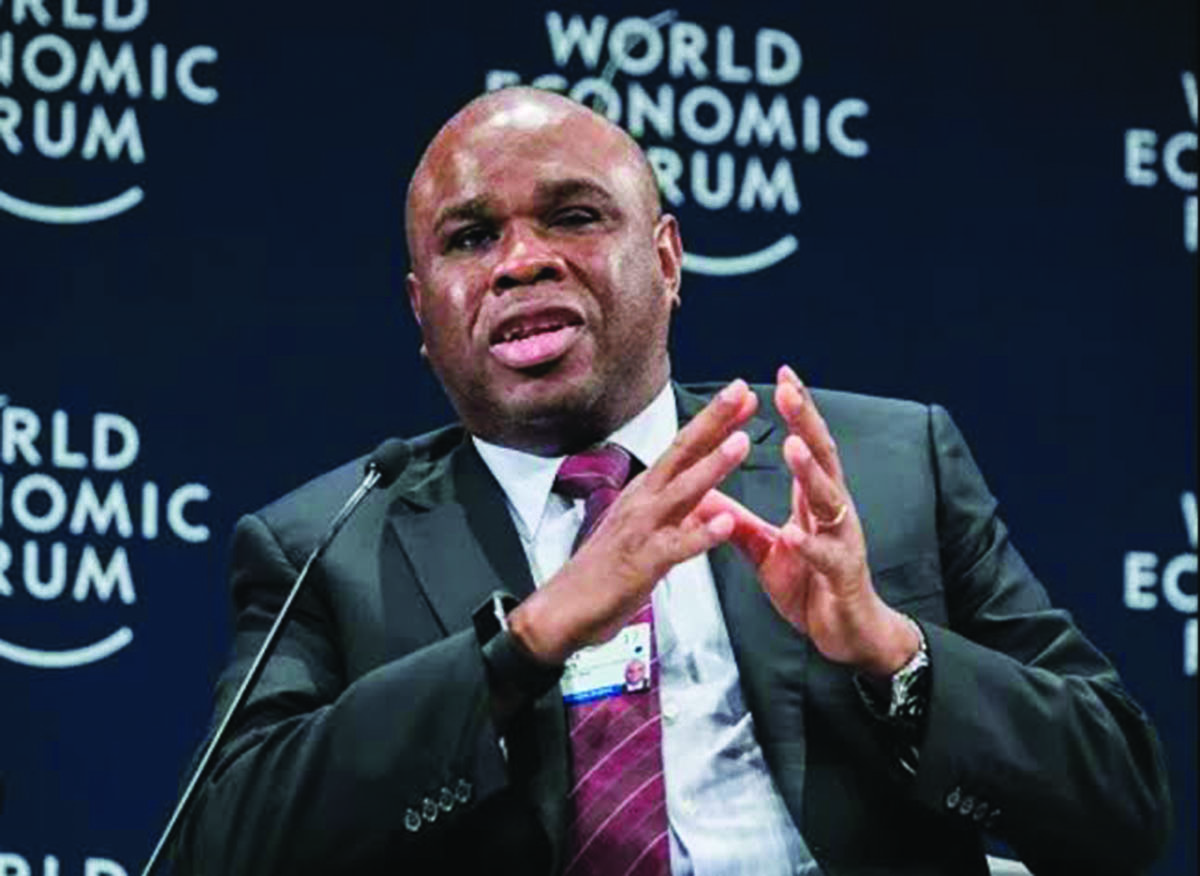
Benedict Oramah has left the Afreximbank presidency, but he says he has not left the fight. On the sidelines of the IMF/World Bank Annual Meetings in Bangkok, the former head of the African Export-Import Bank gave an interview to ThisDay’s Nume Ekeghe. His message was that Africa is about to repeat an old mistake, and this time the raw material is data. His warning was simple.
Artificial intelligence is already part of daily life, and Africa must not content itself with applying models that others have built. China leads in AI, he said, largely because its huge population produces a constant stream of data. African countries, he argued, should not become feeders of the data on which other people train their systems.
They should build their own models. He admitted the obstacle: data centres need enormous amounts of power, and many African countries cannot yet meet basic electricity demand. His answer is the technology park, a zone where energy is concentrated and drawn from several sources, including solar and gas.
Nigeria, he said, is well placed because its gas is cheap, and he urged the government to decide to build such parks and sell power at prices that attract investors. Some investors, he added, only want to install equipment and lease the infrastructure, so the civil works can be shared. He said he is already working with partners on an AI factory and technology park.
To show what AI changes on the factory floor, he described a Nigerian additive manufacturing company that makes spare parts for the oil industry. Much of that equipment is old and the designs are gone, so the firm scans the parts and recreates them, and work that took months now takes hours. A part that can take 15 months to arrive from abroad can be printed in days. The catch is skills.
The company still has to look to India for some of the expertise it needs. That point runs through the whole interview. Oramah argued that jobs will follow a growing economy, but only if schools and training can supply the people to fill them. Africa’s universities are underfunded, he said, and vocational training is neglected, even though labour-intensive manufacturing will create many of the next decent jobs.
He also wants financing that backs young entrepreneurs, accepting that most will fail and a few might become the next Google. The same impatience shaped his views on trade. When the African Continental Free Trade Area opened for signature in Kigali, he recalled, officials expected around 21 countries and 45 signed that day.
Since then, he said, about 24 countries have drawn up tariff schedules, but non-tariff barriers remain the largest obstacle. He argued that infrastructure is not the main reason Africa trades so little with itself. The continent’s existing infrastructure could carry between $1 trillion and $1.4 trillion of African trade, yet Africa’s share is only about $170 billion to $200 billion.
The real gap, he said, is information. Traders know more about suppliers in China, Europe and America than about the business next door, and he gave a telling example of Ethiopian leather factories importing semi-processed leather from New Zealand at a higher cost than Burundi charges to export the same product. On infrastructure itself, he did not think governments can pay.
Bringing Africa up to world standards would cost about $100 billion a year, which by his team’s calculation would swallow roughly 60 per cent of all African government budgets. Private capital, he said, will come once businesses show the opportunity, and no one needs to plead with an investor who sees a market. He also defended his record.
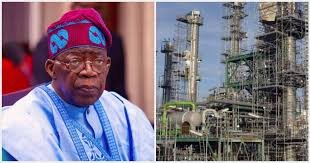
Afreximbank, he said, has provided $18 billion to the Dangote refinery relationship, most of it for the refinery, and underwrote about a quarter of both the private placement and the IPO. Backing it, he said, was a matter of continental pride and not just credit analysis. He described his own approach to economic independence in plain terms: bankers, governments and companies should regard themselves as “economic freedom fighters,” in a battle fought with ideas and capital, not guns.
Whether African governments will follow his lead is an open question. Power remains short, skills are thin, and the habit of exporting raw materials is old. But Oramah’s argument is that the cost of waiting is measurable, and that this time the raw material in question is the continent’s own data.