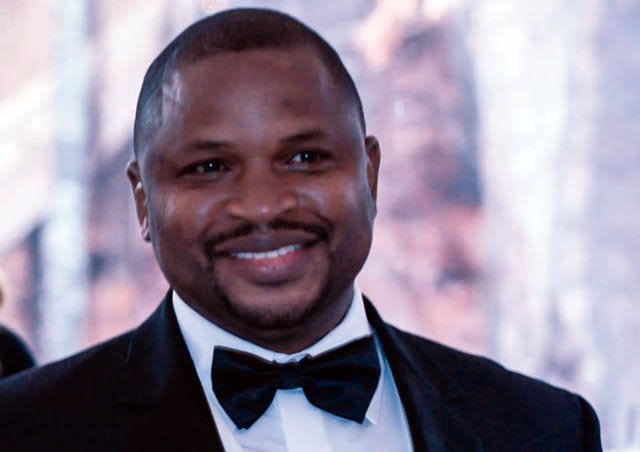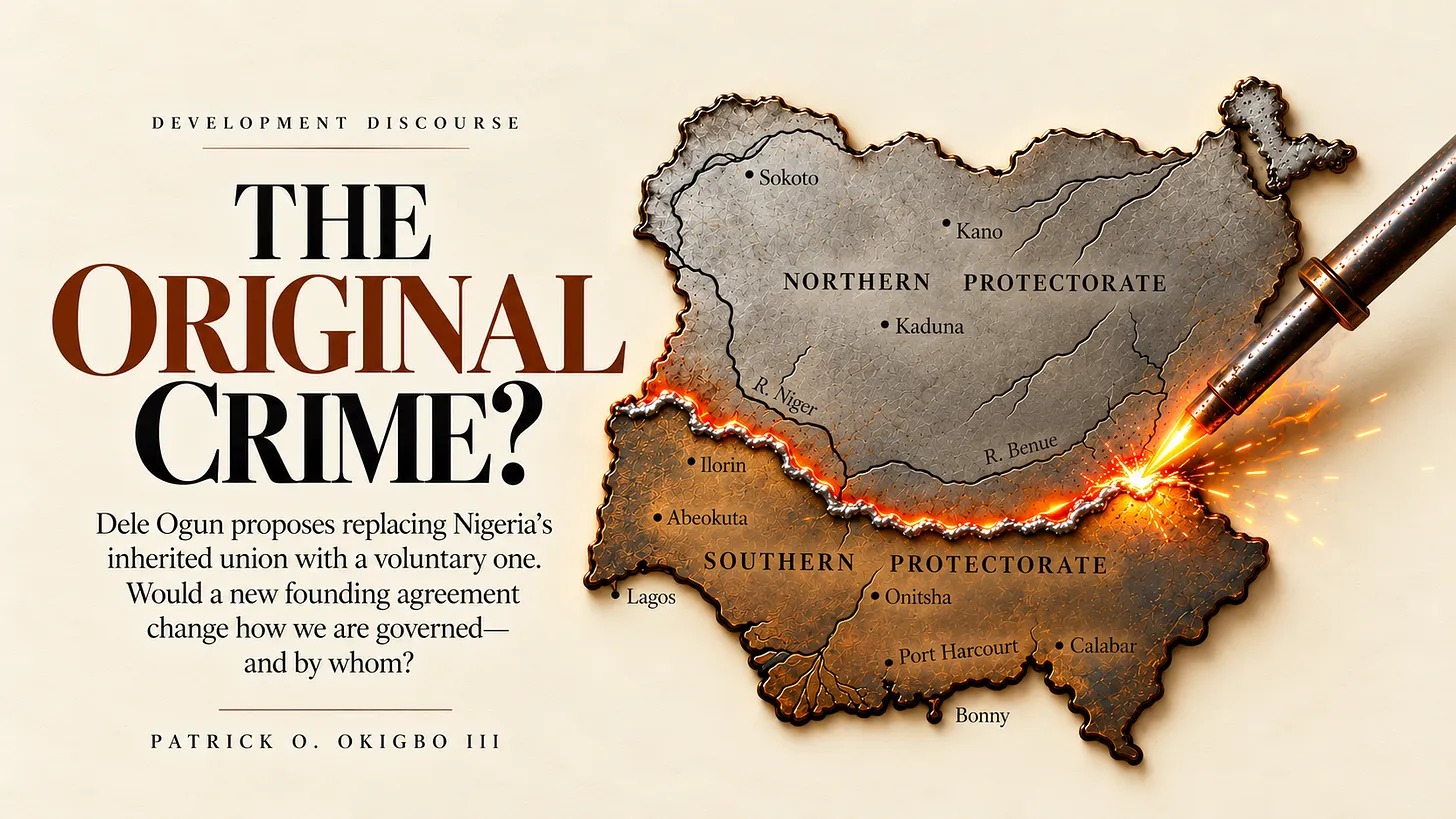
Dele Ogun proposes replacing Nigeria’s inherited union with a voluntary one. Would a new founding agreement change how we are governed—and by whom?
By Patrick O. Okigbo III
On January 8, 1897, an article appeared in The Times of London. Flora Shaw, the paper’s colonial editor, found “the Royal Niger Company’s Territories” cumbersome. She proposed something shorter: Nigeria. The river that inspired her already had names. Kwara. Joliba. Orimili. Those who fished it, farmed its banks and traded along it needed no new baptismal name from London.
Five years later, Shaw married Frederick Lugard. In 1914, he soldered the Northern and Southern administrations together under her proposed name. A word offered to the readers of a London newspaper became the abiding identity of some 16 million people, many of whom knew little of one another.
Were we ever asked? And if we had been, would we have done any better?
We have spent much of the last century disputing that arrangement. The scenes are familiar. Delegations arriving in Lagos, then Abuja, petitioning for states. Traditional rulers in full regalia queuing before commissions. Communities ululating at dawn over a new state and burning tyres by dusk because the capital went to the next town. Neighbours fighting over a local government headquarters as their forebears once fought over territory.
The three regions at independence became four in 1963, then 12 states in 1967. Twelve became 19, then 21, then 30, then 36. As demands for more states continue, the vexing question is: did state creation bring the government closer to the people or simply open more avenues for distributing patronage? The people have more states but still struggle to find functioning schools, hospitals or decent livelihoods.
Other countries were stitched together too. The Dutch bound thousands of islands and hundreds of ethnic groups into what became Indonesia, and its nationalists chose Malay, a trading language, over Javanese, the language of the largest group. Britain assembled Malaysia from sultanates and ports on the peninsula and territories on Borneo. India’s leaders came out of Partition with the old British provinces and more than 500 princely states to fold into one country.
These countries continue to argue, fight and revise their arrangements. For instance, America’s founding bargain accommodated slavery before a civil war abolished it and settled whether states could secede. Yet, 161 years since the end of that war, Americans are still disputing whose freedoms their Constitution protects.
Colonial institutions cast a long shadow, as Acemoglu, Johnson and Robinson have argued. But how much of Nigeria’s failure can we still lay at amalgamation’s door? It has been 112 years since 1914, including 66 under our own rule. What have we done to change what we inherited? Which problems lie in the country’s design, and which persist because those in power profit from them? Is the problem Lugard’s soldering iron or what Nigerians have done with it?
When Bishop Matthew Hassan Kukah joined me on Development Discourse in May, he praised Culprits for challenging assumptions about Nigeria’s origins. Many of you have asked about it since then.
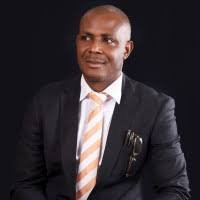
Its author, Dele Ogun, is my next guest. A London-based lawyer and publisher, Dele has spent years following the paper trail of Nigeria’s making. In Culprits: The People and the Paper That Made Nigeria, he asks whose interests the country was designed to serve. His culprits include British officials, African elites who profited from colonial rule, and their successors who kept its machinery running.
His remedy is an Orange Union: Nigeria’s constituent nations governing their internal affairs and cooperating only on defence, currency and external trade.
I intend to test the proposal. Why should rams vote for Sallah? Why would political elites dismantle a system that serves them? Where will the boundary lines fall to account for ethnic homogeneity? Who would draw the borders? Who will negotiate and consent on behalf of each nation? What happens to those living outside their “home” nation, or to minorities within each one? How would we share the assets built over the last 112 years from our commonwealth? What of the debts? Who would control the oil, collect taxes and command the army?
Above all, why would elites who have failed us at the centre serve us better simply because they are now closer to home? What would compel them?
Similarly, anyone who advocates for the status quo ante must be subjected to the same scrutiny. What evidence supports their proposition? What changes would they accept? Are there lessons from other countries on how to sustain a larger union by allowing greater room for the identities within it?
If Lugard had never drawn the map, would those who govern us behave any differently? Would we demand more of them? So before we take a chisel to Lugard’s soldered seams, it is important to know what would change for the people living on either side. And how.
Come ready to discuss these questions. We had no say in how Nigeria was put together. We have a say in what happens next.