By Emmanuel Gandu
EXCERPTS
“#EndSARS of October 2020 was not just a protest. It’s a reminder of a turning point in Nigeria’s democratic journey. It is about the right to life and dignity of the human person.
It was anchored on a constitutional right to peaceful assembly and association as guaranteed under Section 40 of the 1999 Constitution of the Federal Republic of Nigeria (as amended).”
“Interestingly, the #EndSARS protest is also protected by Article 11 of the African Charter on Human and People’s Rights, which Nigeria domesticated through the African Charter (Ratification and Enforcement) Act.”
“On its part, the United Nations General Assembly Universal Declaration of Human Rights (UDHR) proclamation on December 10, 1948 in Paris enshrined in its charter the fundamental human rights and the dignity of every person, the right to life and liberty, protection against torture, among others.”
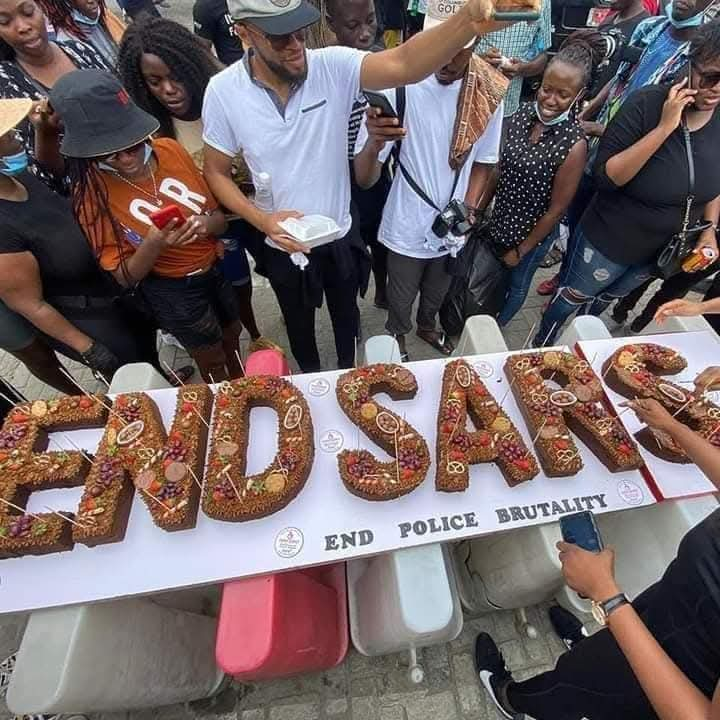
“This means that peaceful protest is not a privilege, it is a legal right.”
“However, the tragic events of October 2020, particularly at the Lekki Toll Gate reflected a violation of these key constitutional safeguards.”
INTRODUCTION
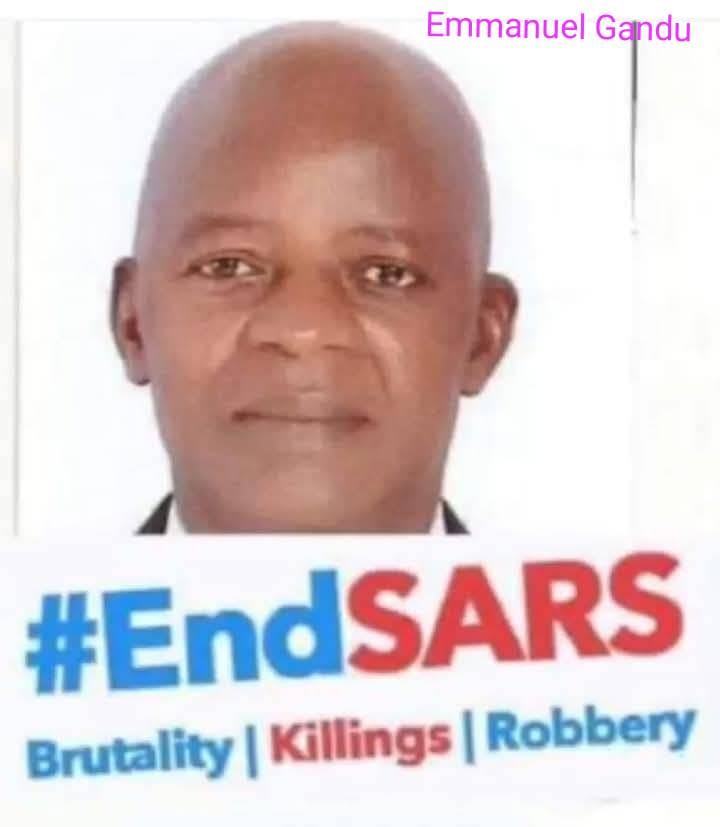
#EndSARS was a decentralized youth-led movement on series of mass protests in Nigeria calling for the disbandment of the Special Anti – Robbery Squad (SARS).
SARS was a controversial unit of the Nigerian Police Force formed in 1992, and became notorious for extortion, harassment, torture and extrajudicial killings.
The #EndSARS protest started as a Twitter hashtag campaign in 2017, then exploded into nationwide street demonstration in October 2020 after a video surfaced of a SARS officer allegedly shooting a young man in Ughelli Delta state. This hashtag generated and accumulated over 28 million tweets and drew solidarity protests around the world.
The protests had no centralized leadership and were driven mainly by young Nigerians who initially demanded 5 things: release of arrested alleged offenders, justice for victims, an independent body to investigate police brutality, psychological evaluation of police officers, and compensation for victims.
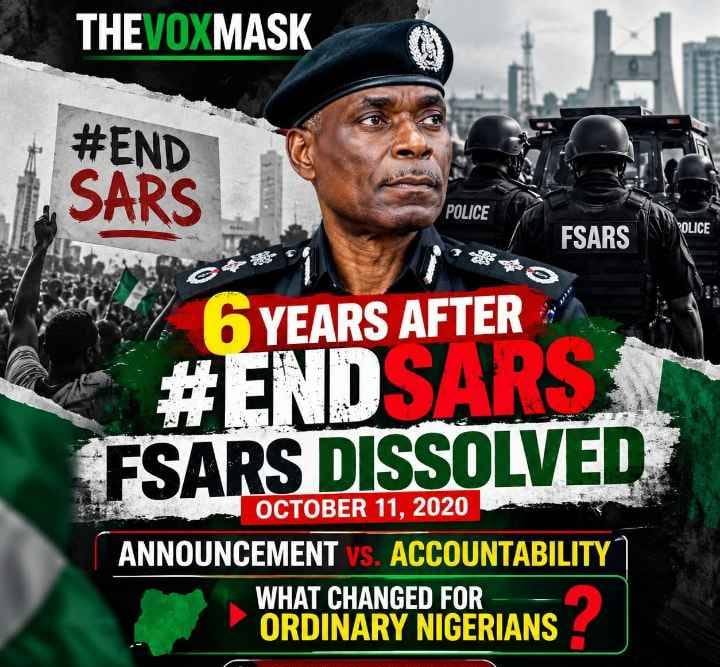
On October 11, 2020 the Nigerian Police announced SARS was dissolved, but protests continued amid concerns the unit would be rebranded. In the midst of all these protests, the movement expanded to broader calls for good governance and accountability.
PROTESTS AND EVENTS
(a) October 3-5, 2020:
Protests were ignited online in Ughelli and Port Harcourt following viral videos of SARS officers allegedly shooting citizens and taking vehicles.
(b) October 8-20, 2020 – Nationwide street protests:
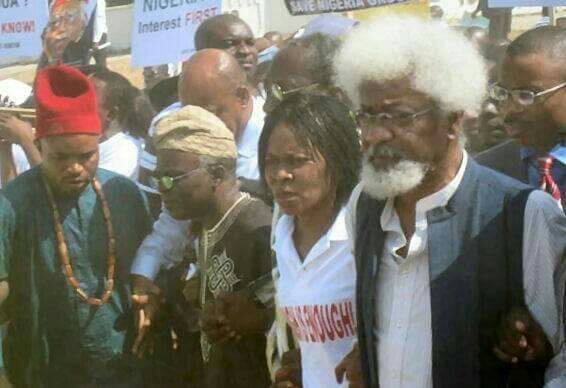
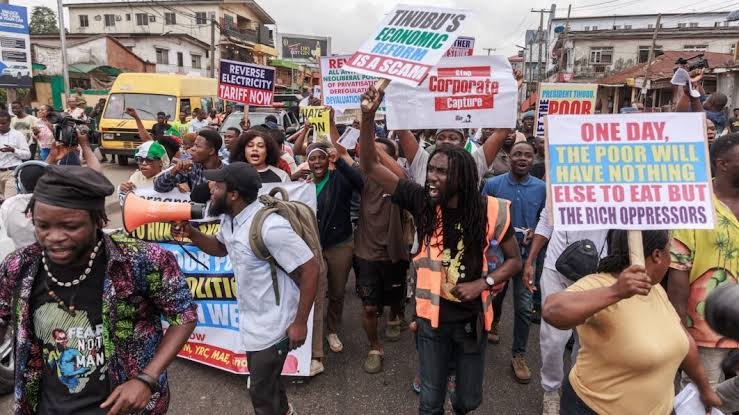
Hundreds of thousands of young Nigerians flooded streets on daily basis in Lagos, Abuja, Enugu, Port Harcourt, Jos and other cities under the banner of #EndSARS.
(c) October 11, 2020 – Government Concession:
The Federal government officially announced the dissolution of SARS and proposed a replacement unit, the Special Weapons and Tactics (SWAT) team.
Protesters rejected this move, fearing the same officers would simply be reassigned.
(d) October 20, 2020 – Lekki Toll Gate crackdown/massacre:
Following the declaration of state of curfews, Nigerian military forces opened fire on peaceful unarmed demonstrators gathered as usual at the Lekki Toll Gate in Lagos. This resulted in casualties and dramatic shift in the movement.
(e) Death toll:
The exact number of deaths remains a subject of intense dispute among interested parties as casualty figures vary depending on the reporting organization.
According to death figures released by the Federal government of Nigeria, a total of 69 deaths which included 51 civilians, 11 police officers, and 7 soldiers.
However, up to 103 unclaimed bodies were later designated for Mass burial by local authorities.
In July 2023, a leaked official memo from the Lagos state ministry of health revealed that the government had approved a mass burial for 103 victims whose bodies had been sitting unclaimed in Lagos mortuaries since the October 2020 protests.
GAINS AND LESSONS ACQUIRED
(1) #EndSARS of October 2020 was not just a protest. It’s a reminder of a turning point in Nigeria’s democratic journey. It is about the right to life and dignity of the human person.
✓ It was anchored on a constitutional rights to peaceful assembly and association as guaranteed under Section 40 of the 1999 Constitution of the Federal Republic of Nigeria (as amended).
✓ Interestingly, the #EndSARS protest is also protected by Article 11 of the African Charter on Human and People’s Rights, which Nigeria domesticated through the African Charter (Ratification and Enforcement) Act.
✓ On its part, the United Nations General Assembly Universal Declaration of Human Rights (UDHR) proclamation on December 10, 1948 in Paris enshrined in its charter the fundamental human rights and the dignity of every person the right to life and liberty, protection against torture, among others.
This therefore means that peaceful protest is not a privilege, it is a legal right.
However, the tragic events of October 2020, particularly at the Lekki Toll Gate reflected a violation of these key constitutional safeguards.
(2) #EndSARS movement reshaped how the Nigerian youth use social media for mobilization and civic engagement, and continues to be referenced in discussions about policing, justice and peace.
(3) The Nigerian Police had to succumb to pressure from the wishes of the people by its October 11, 2020 disbandment of the SARS unit.
This went a long way to drastically reduce police notoriety for extortion, torture, and extrajudicial killings thereby making Nigerians heave a sigh of relief.
(4) World attention was attracted to the plight of Nigerians as the hashtag generated and accumulated over 28 million tweets and drew solidarity protests across cities of the world. Moreover, human rights advocates and organizations like Amnesty International have continued to beam their searchlight on Nigeria, and raise concerns over arrests, detention s, and justice for individuals.
(5) #EndSARS movement had opened the window of challenge to systemic corruption, economic hardship, and unacceptable leadership.
(6) The movement remains a civic consciousness and a landmark in modern Nigerian history, thus shifting attention of youths towards political engagement and mobilization.
(7) As at 2026, the cases of police brutality on innocent citizens is reduced to a fairly low limit, although there are still reported cases of skirmishes.
(8) Muslim – Christian unity displayed at the protests:
(a) Christian protesters stood guard for their Muslim counterparts during the Friday 16/10/2020 Juma’at prayers at the Lekki Toll Gate to prevent a swoop attack from the police/military.
(b) Muslim protesters stood guard for their Christian counterparts during Sunday Catholic Mass of 18/10/2020 at the Lekki Toll Gate to prevent a swoop attack from the police/military. This open air Holy Mass at 11.30 am in solidarity with the protesters was organized and had Msgr. Pascal Nwaezeapu as the officiating priest.