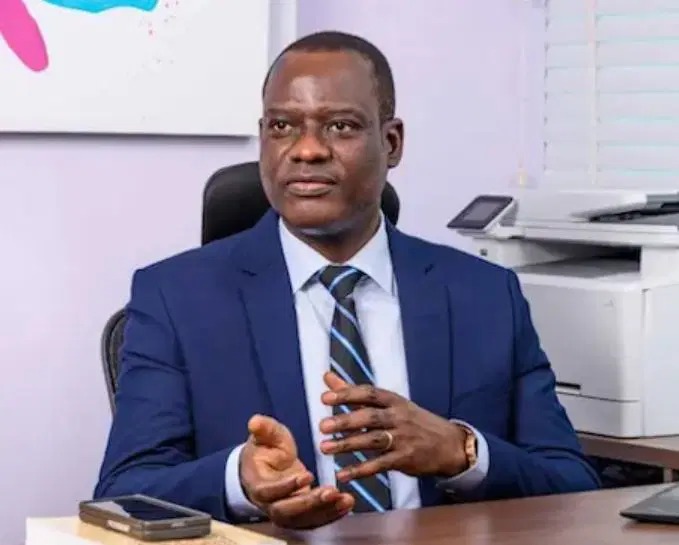
Returning to the petrol subsidy regime could trigger massive capital flight, weaken foreign investor confidence, and plunge the Nigerian currency to between ₦3,000 and ₦4,000 to the United States dollar, the Minister of Finance and Coordinating Minister of the Economy, Taiwo Oyedele, has warned.
Speaking during an interactive session with journalists and stakeholders on the sidelines of the 2026 International Monetary Fund (IMF) and World Bank Annual Meetings in Bangkok, Thailand, Oyedele reiterated the Federal Government’s resolve to sustain market-reflective energy pricing and structural economic reforms.
Addressing growing calls for price controls amid global energy price swings, the Finance Minister emphasized that reinstating a fuel subsidy would undo the fiscal gains recorded over the last three years and severely destabilize Nigeria’s macroeconomic stability.
”Reversing these critical reforms, whether by reintroducing petrol subsidies or artificial foreign exchange restrictions, would send a disastrous signal to global markets,” Oyedele cautioned. “It would trigger severe capital flight, erase the fragile gains we have achieved in investor confidence, and ultimately push the exchange rate toward ₦3,000 to ₦4,000 per dollar, while petrol prices could exceed ₦2,000 per litre.”
He added that price suppression mechanisms have historically failed globally, leading to fuel smuggling, artificial scarcity, and severe fiscal deficits that consumed over ₦20 trillion annually.
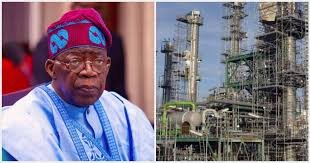
Highlighting the benefits of the reform agenda initiated by President Bola Tinubu, Oyedele recalled that removing the petrol subsidy mobilized over ₦15.8 trillion for the Federation Account between June 2023 and December 2025.
Out of these savings, ₦10.4 trillion was disbursed directly to state and local governments to boost infrastructure, healthcare, and education funding across the country.
Rather than reintroducing direct consumption subsidies, the Federal Government is focusing on structural interventions to cushion the cost-of-living pressure on citizens.
Key ongoing initiatives include; Expanding the deployment of Compressed Natural Gas (CNG) infrastructure as a cheaper transportation alternative and scaling up local refining capacity to minimise freight and import costs.
It also include Income & Tax Adjustments; Preparing targeted relief measures and social safety nets, with plans for consumption tax adjustments deferred until economic stabilization and household income improvements take full effect.
Speaking further on the matter, Ministry spokesperson and policy analysts reaffirmed that the administration’s long-term goal remains macroeconomic stability, job creation, and sustainable prosperity rather than short-term price suppression.