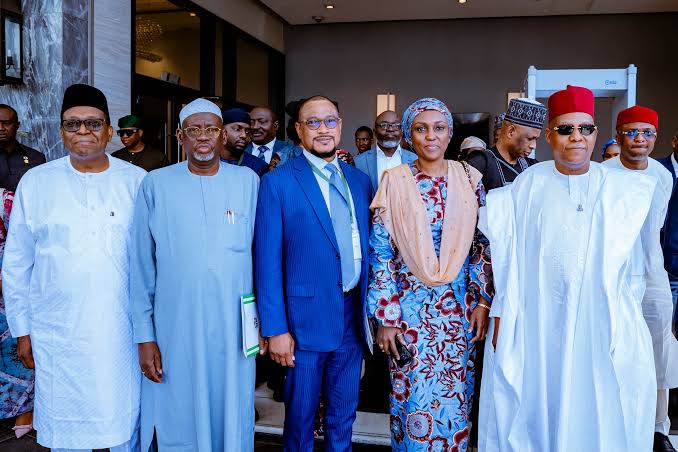
In a decisive move to curb malnutrition and child stunting nationwide, the Federal Government and Nigeria’s 36 state governments have resolved to adapt proven strategies from Ethiopia’s community-driven nutrition model.
The commitment was formalized during the Nigeria-Ethiopia Nutrition Leadership Exchange, a high-level bilateral summit held on Friday, October 9, 2026, at the State House Conference Centre in Abuja. The strategic session aimed to translate federal policies into direct interventions across all 774 Local Government Areas (LGAs), wards, and households in Nigeria.
The strategy expands the scope of Nigeria’s flagship Nutrition 774 Initiative, shifting the country’s response to malnutrition from centralized urban planning to a decentralized, household-level framework.
Speaking at the summit, the Minister of Education, Dr. Maruf Tunji Alausa, emphasized that early intervention is critical to safeguarding the country’s future human capital. “Interventions must begin during pregnancy and continue through the critical early years of a child’s development,” Alausa said.
If we miss those first 2,000 days, we set those children up for failure in life.” He added that schools across the 774 LGAs will be utilized as key access points to deliver nutritional support and health education to young children.
Highlighting the structural drivers of food insecurity, the Minister of Water Resources and Sanitation, Prof. Joseph Utsev, noted that malnutrition cannot be isolated from broader infrastructure needs. “When we talk about the workforce, we must first talk about healthy living,” Utsev stated, pointing out that expanded access to clean drinking water, safe sanitation, and sustainable irrigation systems are foundational to maintaining a healthy population.
Subnational leaders echoed the need to tailor the Ethiopian model to local realities. Zamfara State Governor, Dauda Lawal, highlighted how community-based networks can operate even under challenging security conditions.
“Today, we have learned that it’s not just about food security, it’s about health, education, climate change, and agriculture working together,” Lawal remarked. “We cannot let insecurity define our response. We must adapt federal interventions to our local conditions and ensure every ward receives support.”
The summit concluded with a joint resolution establishing state-level nutrition oversight panels, dedicated subnational funding streams for the Nutrition 774 Initiative, and active involvement of ward development committees. By prioritising localized leadership and cross-sector coordination, Nigeria aims to establish a resilient framework to eliminate malnutrition at the root level.