By Richard Benjamin
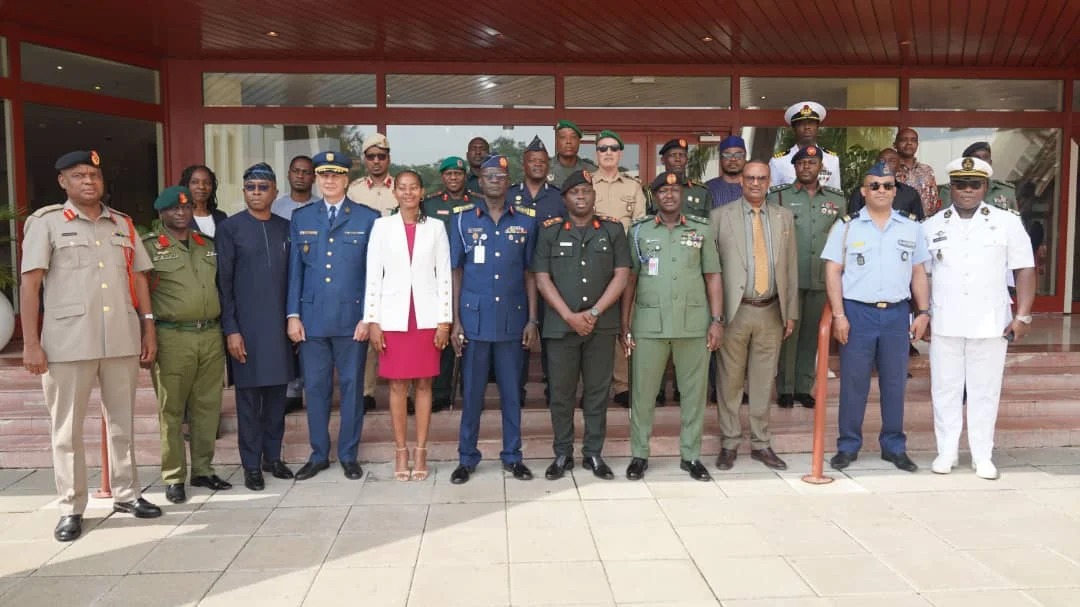
Nigeria and the African Union (AU) have renewed efforts to strengthen military cooperation across the continent as governments seek a coordinated response to terrorism, insurgency and other transnational security threats.
The renewed commitment comes as Nigeria chairs the AU Peace and Security Council (PSC) for May 2026, placing the country at the centre of discussions on regional security, counter-terrorism, peacekeeping operations and climate-related security risks.
Speaking during recent engagements, Nigerian officials stressed that no single country can effectively confront security threats that increasingly cut across national borders, calling for stronger intelligence sharing, joint military operations and greater capacity building among African armed forces.
“Nigeria remains committed to working closely with the African Union and regional organisations to strengthen collective security mechanisms,” a senior Nigerian defence official said, noting that collaboration remains essential to tackling evolving threats.
The discussions focus on accelerating the operationalisation of the African Standby Force, improving intelligence and logistics sharing among member states, expanding military training programmes and strengthening existing regional security frameworks, including the Multinational Joint Task Force operating in the Lake Chad Basin.
Nigeria has also reiterated its opposition to the use of private military companies, maintaining that African security challenges should be addressed through African-led institutions and partnerships that respect national sovereignty.
The renewed push comes as several parts of the continent continue to grapple with insecurity, including insurgency in the Lake Chad Basin, terrorism in the Sahel, instability in the Horn of Africa and the growing threat posed by transnational organised crime.
AU officials welcomed Nigeria’s leadership, saying stronger coordination under the African Peace and Security Architecture would improve the continent’s ability to respond rapidly to emerging security challenges while promoting long-term stability.
Analysts, however, note that funding constraints, logistical challenges and differing national priorities remain major obstacles to deeper military integration across Africa.
Nigeria is expected to use its leadership role on the Peace and Security Council to advance discussions on practical measures, including joint operations, intelligence cooperation and enhanced peace support capabilities across the continent.