Nigeria will require an additional 554,353 security officers to establish an effective nationwide state police system, according to the Chairman of the Southern Governors’ Forum and Ogun State Governor, Prince Dapo Abiodun.
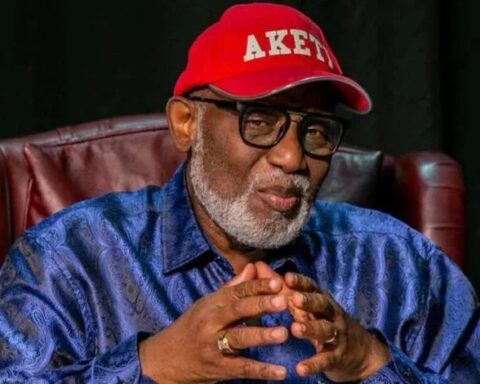
Governor Abiodun made the disclosure on Thursday, October 8, 2026, during his keynote address at the International Conference Centre, University of Ibadan, Oyo State. The gathering, organized by the Development Agenda for Western Nigeria (DAWN) Commission in honor of the late former Ondo State Governor Arakunrin Oluwarotimi Akeredolu, SAN, brought together prominent leaders to deliberate on decentralized security reform.
Citing data compiled by the Nigeria Governors’ Forum based on the United Nations standard ratio of one police officer to 414 citizens, Abiodun emphasised that the current centralized framework leaves the nation critically underpoliced.
To bridge this gap effectively without overwhelming sub-national public finances, he proposed a phased recruitment strategy with total personnel target of 554,353 additional state police personnel. Approximately 184,784 recruits annually spread over a three-year implementation window.
He suggested Economic Security Imperative, securing local production corridors, farmland, and critical infrastructure to support Nigeria’s target of a $1 trillion economy.
”The debate is no longer whether Nigeria needs State Police, but how swiftly and sustainably we establish it,” Abiodun declared. “Security is intrinsically local. You cannot police a community whose language you do not speak, whose terrain you do not know.”
Addressing concerns regarding potential political influence and financial viability, several key figures outlined necessary parameters for the reform:
Prince Dapo Abiodun (Governor, Ogun State), highlighted operational pillars for the new architecture, including transparent recruitment, institutional safeguards against political abuse, predictable funding models, continuous welfare packages, and strict protection for civil rights regardless of political affiliation.
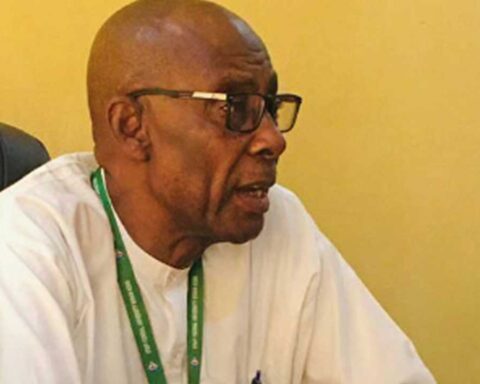
Seye Oyeleye (Director-General, DAWN Commission), stressed that the dialogue has shifted from advocacy to practical execution, specifically around funding mechanisms, regulatory frameworks, and operational accountability. He emphasized that decentralized policing represents a national federalist imperative rather than a regional or ethnic agenda.
Hon. Lucky Aiyedatiwa (Governor, Ondo State), pointed to the success of regional security networks like Amotekun as clear evidence that community-rooted policing remains essential for protecting lives and investments.
Dr. Kayode Fayemi (Former Governor, Ekiti State), paid tribute to the late Akeredolu’s pioneering advocacy for decentralized policing, noting that his vision laid the groundwork for today’s concrete policy dialogue.
Governor Abiodun concluded by urging sub-national governments and the National Assembly to expedite the necessary legislative amendments to usher in a fully functional state policing structure.