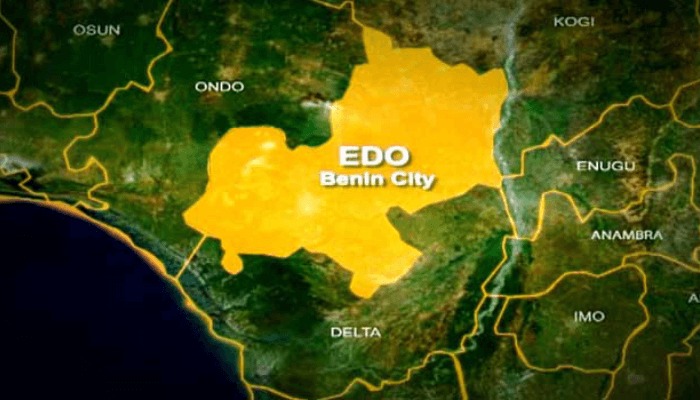
Indigenes of the Orogho community in the Orhionmwon Local Government Area of Edo State have formally refuted allegations of marginalization, neglect, and the financial mismanagement of community benefit funds accruing from multinational companies operating in their territory.
The community’s response followed widespread consultations involving elders, youth structures, and indigenes residing within Nigeria and the diaspora.
Speaking under the umbrella of the Orogho Community Concerned Indigenes, stakeholders dismissed recent media statements accusing local leadership and operating corporations of financial diversion as “unsubstantiated, misleading, and unauthorized.”
In an official statement signed by the Okaghele (Youth Leader) of Orogho, Nosa Osayande, alongside three other community delegates, the leadership clarified that the individual behind the claims, identified as Stanley Eghaghe, lacks the mandate or standing to speak on behalf of Orogho.
The group pointed out that Eghaghe hails from the neighboring Owuo axis, nullifying his claims to represent Orogho’s central interest.
The leadership emphasised that while every community member retains the right to express civic concerns, such claims must be anchored in facts rather than personal grievances:
”Seeking standard clarification regarding host community financial benefits should never be automatically interpreted as evidence of diversion or criminal mismanagement,” the statement read. “We directly challenge anyone claiming financial wrongdoing to present concrete evidence to law enforcement and regulatory authorities rather than making sweeping allegations in the press.”
Contrary to reports of administrative abandonment, the community outlined several active corporate engagements and economic gains:
Orogho leadership continues direct negotiations with major energy Seplat regarding operational host status, corporate social responsibility commitments, and the resolution of oil well royalty allocations.
The community highlighted the successful completion of a one-year capacity-building and engagement scheme with oilfield services firm Geoplex, which provided steady employment and income to Orogho and Owuo youths.
Existing community interfaces and committees remain operational to ensure corporate obligations directly benefit local residents.
While acknowledging that demands for further infrastructure, social amenities, and expanded employment remain ongoing, community representatives maintained that these developmental needs do not constitute administrative failure.
Reaffirming their commitment to peace, unity, and economic progress, the group urged external parties to refrain from using the community’s platform for personal disputes.