By Fred Chukwuelobe, FNIPR
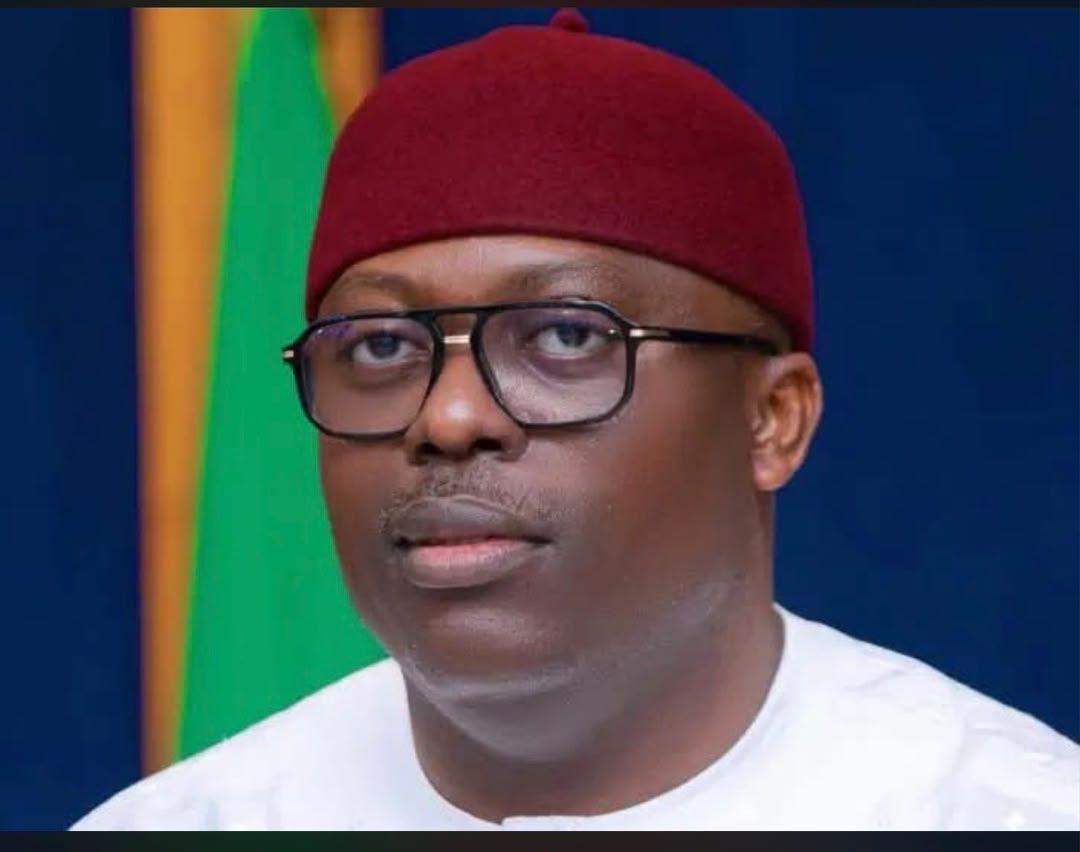
When Governor Siminalayi Fubara fell out with his godfather and political benefactor, Nyesom Wike, the Minister of the Federal Capital Territory, many Rivers people – and Nigerians across the country – rallied behind him.
Those who opposed Fubara were largely people who had benefited, or were still benefiting, from Wike’s political influence. Their interests were obvious.
Fubara initially appeared ready for the battle. He mobilised his supporters and began flexing the enormous powers of the office of governor. He confronted the Rivers State House of Assembly, and at one point the roof of the Assembly complex was removed in the heat of the crisis. His supporters hailed him as a courageous governor finally willing to stand up to his former godfather.
Those of us outside Rivers State joined the cheering. We thought Wike was about to receive the Chris Uba treatment.
We were wrong.
Then came the state of emergency. Fubara begged. He surrendered. And six months later, when he returned to Government House, he returned politically beaten, bruised and battered.
That, for me, was the turning point.
My concern throughout the crisis was that Fubara appeared increasingly more interested in retaining the title of governor, even as a lame-duck governor, than in defending the authority and independence of the office to which he had been elected.
Meeting after meeting, he appeared to be treated less like a governor elected by the people and more like a subordinate being summoned to account to his political master. And eventually, he accepted a political arrangement that effectively meant he would not seek re-election.
That is the context in which his recent comments about his administration’s projects helping the APC in the 2027 election should be viewed.
The reaction on Facebook has been brutal. He has been called a “woman leader,” “the first woman to be elected governor,” “the second woman to be elected governor after Dame Virgy Etiaba of Anambra State,” “Wike’s wife,” “coward” and several other names meant to convey political weakness.
The language is crude and, in some cases, plainly misogynistic. Women are not weak politicians. Anyone who suggests otherwise is simply displaying ignorance. Nigeria has produced women who have demonstrated enormous political courage and resilience.
In this context, however, “woman” is being used as a crude euphemism by men to describe someone they perceive as politically weak.
But beyond the insults is a more troubling question: Why was Wike so determined to prevent a sitting governor from exercising the authority of his office – an authority Wike himself would never have tolerated another man taking away from him when he was governor?
And why did President Bola Tinubu allow Wike to browbeat Fubara into political submission in a manner that Tinubu himself would hardly have tolerated had he been confronted with such an arrangement during his years as governor of Lagos?
The answer is simple: politics.
Chris Ngige earned the respect and admiration of many Nigerians when he refused to become Chris Uba’s stooge as governor of Anambra State, even when Uba’s position was backed by the then President, Olusegun Obasanjo. Ngige chose to fight.
Whatever one thinks of the politics of that era, Ngige demonstrated something fundamental: the occupant of Government House can say no.
Fubara had two choices when Wike began breathing down his neck: fight and, win or lose, earn the admiration of the people for standing his ground; or surrender his political independence and remain a weakened governor.
He chose the latter.
And that choice has consequences.
It is not enough today to point to roads, flyovers, hospitals, schools and other projects and suggest that they will determine the outcome of the 2027 election. Projects matter. Development matters. Good governance matters.
But politics is also about courage. It is about independence. It is about perception. Above all, it is about the ability to defend the authority entrusted to you by the people.
Fubara lost his mojo the day he decided that preserving his position was more important than fighting for the dignity and independence of that position.
That is why the governor who was once celebrated across Nigeria as the man who would stand up to Wike is now being mocked by some of the same people who once cheered him.
The tragedy is not that Fubara chose peace. There is nothing inherently wrong with choosing peace. The tragedy is that the peace came at what appears to be the price of political independence.
A governor should not have to become a political refugee in his own Government House.
And once the people conclude that a governor has surrendered his political will to another man, no number of projects, no number of flyovers and no amount of publicity may be enough to restore the mojo he once possessed.
Fubara did not lose his mojo because of Wike.
He lost it when he stopped fighting Wike.