Former Vice President and presidential candidate of the African Democratic Congress (ADC), Atiku Abubakar, has rejected the Federal Bureau of Investigation’s (FBI) stance against releasing investigative records on President Bola Tinubu, arguing that citing potential “danger to lives” is ironic when millions of ordinary Nigerians are already suffering severe economic hardship under current government policies.
The controversy follows an August 20, 2026, filing before Judge Beryl Howell at the U.S. District Court for the District of Columbia. In the application, the FBI invoked Freedom of Information Act (FOIA) exemptions 7(E) and 7(F), asking the court for permission to file an ex parte, in-camera (private) declaration.
The law enforcement agency claimed that disclosing full details publicly could reveal confidential investigative techniques and “reasonably be expected to endanger the life or physical safety of any individual”.
The court action stems from a long-running FOIA lawsuit filed by American transparency activist Aaron Greenspan, seeking historical records concerning a 1990s Chicago narcotics investigation and a 1993 civil forfeiture involving $460,000.
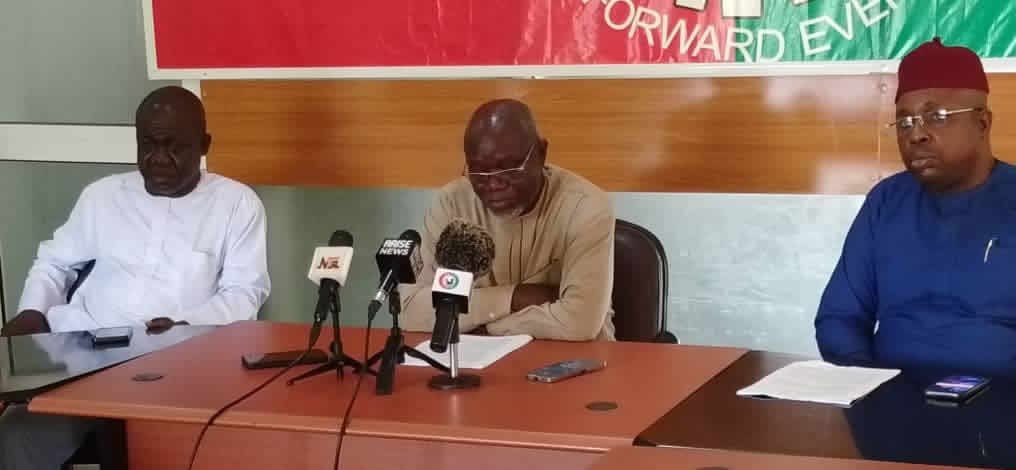
In a press statement issued from Abuja on Saturday, August 22, 2026, by his Senior Special Assistant on Public Communication, Phrank Shaibu, Atiku pushed back against the U.S. agency’s reasoning.
”Nigerians are already paying with their lives daily due to the administration’s severe economic policies,” Shaibu stated on behalf of Atiku. He pointed out that the abrupt removal of fuel subsidies and currency devaluations have pushed basic necessities out of reach for ordinary citizens, leading to widespread inflation and debt.
Atiku clarified that he is not asking the FBI to expose active undercover operatives or confidential techniques, but rather to release all legally disclosable records concerning the President’s background.
“Nigerians have a democratic right to know the history and character of the man who occupies their country’s highest office,” the statement read, adding that foreign secrecy provisions should not serve as “a sanctuary from accountability in Nigeria”.
The development coincides with disclosures made public by Washington D.C. lobbying firm Von Batten-Montague-York, which has campaigned for the processing of the records. The U.S. District Court has set an August 28, 2026, deadline for responding parties to file their remaining submissions regarding the private document review.