Nigeria’s transition toward a dual-policing architecture remains on schedule as the Presidential Working Group on the National Policing Bill works toward delivering its operational framework within a strict seven-week window.
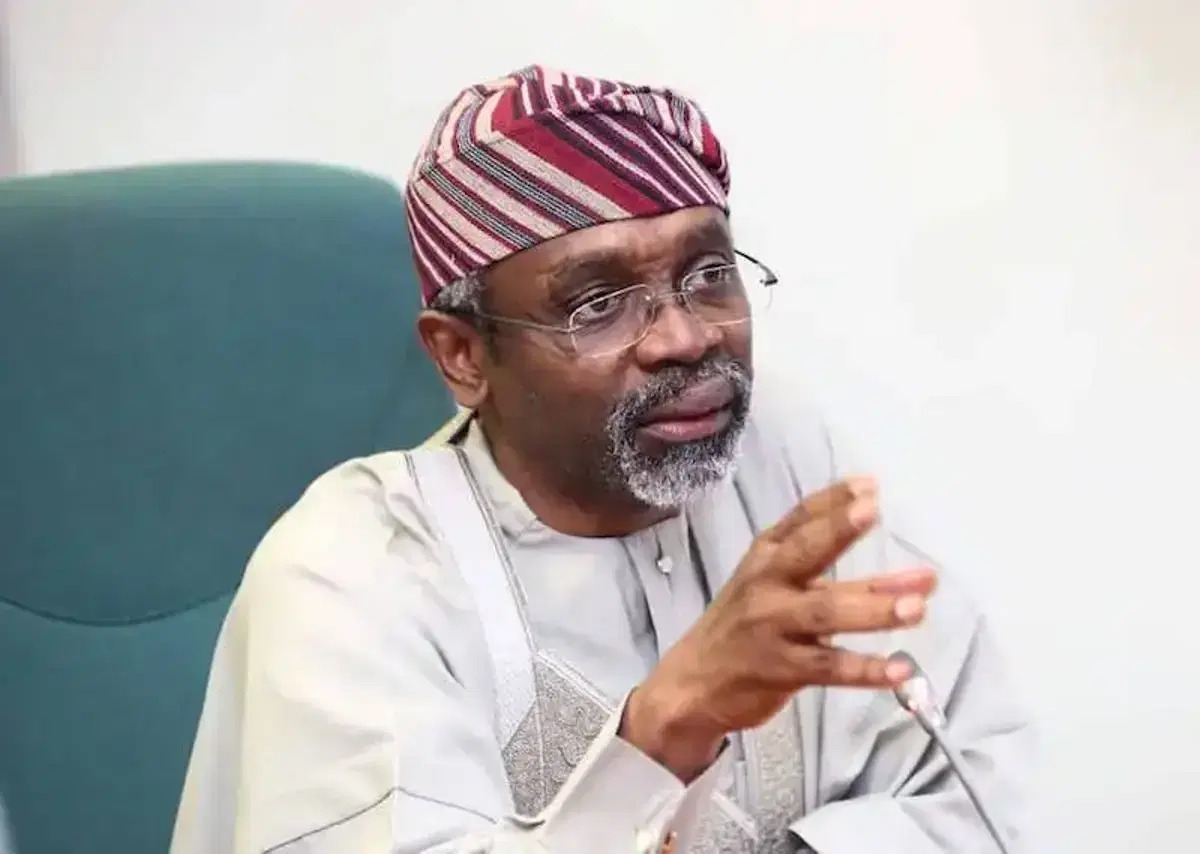
Panel Chairman and Chief of Staff to the President, Rt. Hon. Femi Gbajabiamila, confirmed following a progress review at the Aso Rock Presidential Villa in Abuja that the team is fully aligned with its targets.
The legal package operationalizes the constitutional amendment allowing states to establish local police forces alongside the existing federal structure. Following an initial two-week public engagement period, the panel extended its memorandum submission deadline to Friday, August 21, 2026.
The extension provides stakeholders, including civil society organizations, legal professionals, and state governments additional time to submit proposals via the official portal, nationalpolicingbill.com.
The working group is executing parallel tracks covering legal drafting, policy research, and implementation modeling across its seven-week itinerary.
Intensive legal drafting sprint conducted by Federal Ministry of Justice drafters alongside oversight reviews by the Policy Advisory Committee, chaired by retired judge Justice Abdullahi Liman. On September 3, 2026, the formal presentation of the complete draft Executive Bill package will be submitted to President Bola Ahmed Tinubu.
Crucial figures within government, security, and civil society underlined the legislative safeguards embedded within the proposed bill to guarantee human rights and prevent political overreach:
Rt. Hon. Femi Gbajabiamila (Chairman & Chief of Staff to the President) Highlighted that the framework sets rigorous standards for recruitment, vetting, training, firearms control, and financial sustainability. He noted that “State Police cannot mean 36 state militias, just as national standards cannot become a disguised method of re-centralising day-to-day state policing.”
Prince Lateef Fagbemi, SAN (Attorney-General of the Federation and Minister of Justice) Stated that the legislation establishes uniform national standards to protect citizens from political persecution. He emphasized that federal police will remain fully operational in states that are not yet certified or ready for local deployment.
Governor Dapo Abiodun (Ogun State Governor & Representative of the Nigeria Governors’ Forum) Reaffirmed the commitment of state executives, clarifying that national minimum standards aim to create operational synergy rather than federal overreach. He noted that decentralization could add approximately 200,000 personnel nationwide to bolster national security.
Afam Osigwe, SAN (President, Nigerian Bar Association) Reaffirmed the legal community’s backing for a decentralized system to address internal security challenges, while stressing that strong statutory oversight is essential to prevent institutional abuse.
The meeting was also attended by Inspector-General of Police Tunji Disu and Head of the Nigeria Police Reform Secretariat Prof. Olu Ogunsakin. Once finalized, the draft Executive Bill will be submitted to President Tinubu before proceeding to the National Assembly for formal legislative passage.