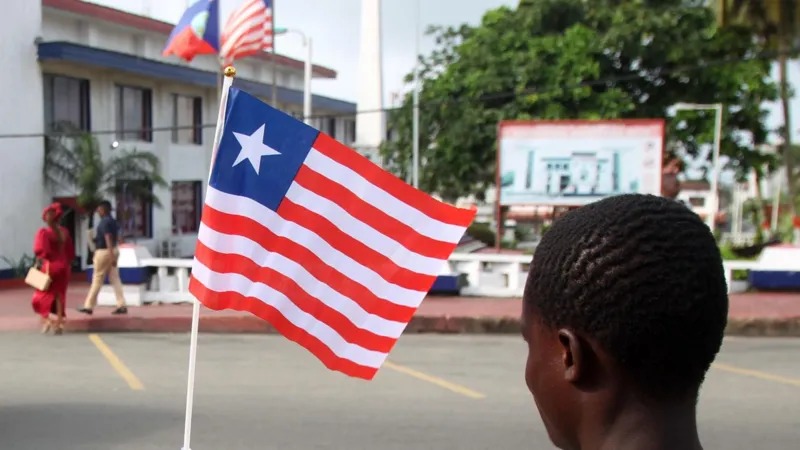
Liberia has agreed to receive up to 1,200 third-country deportees from the United States over the next 12 months, officials in the capital city of Monrovia announced on Tuesday.
The agreement marks one of the largest third-country deportation arrangements established under U.S. President Donald Trump’s ongoing immigration enforcement initiative. The initial group of 20 deportees is scheduled to arrive at Roberts International Airport in Monrovia on Thursday.
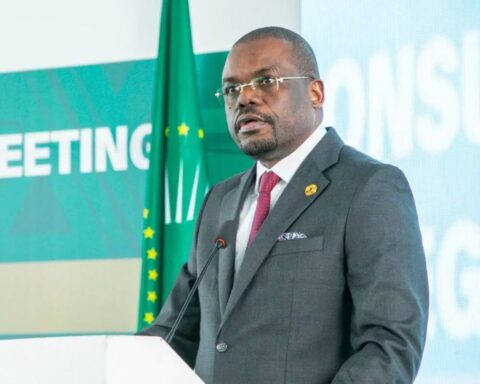
Speaking at a press briefing in Monrovia on Tuesday, Liberia’s Information Minister Jerolinmek Piah stated that the deportees will comprise citizens and nationals from African countries, as well as regions across North America, South America, and the Caribbean.
”Liberia’s gesture is entirely humanitarian and in keeping with the country’s longstanding traditions,” Piah said, framing the agreement as aligned with the nation’s history as a refuge. He noted that the individuals transferred under the program “may wish to seek asylum” in Liberia or “can leave the country whenever they desire”.
Liberian Justice Minister Natu Oswald Tweh confirmed that Liberian authorities have reviewed and screened the incoming roster of deportees provided by U.S. officials prior to their scheduled arrival.
”Most of them are people who had immigration violations and offenses,” Tweh noted during the briefing, assuring the public that security protocols were being maintained.
The arrangement is part of a broader strategy by the Trump administration to execute third-country deportations, transferring foreign nationals to nations other than their home countries. Similar agreements have previously been reached with several other African nations, including Ghana, Sierra Leone, the Democratic Republic of the Congo, and the Central African Republic.
While human rights groups and immigration advocates have raised concerns over third-country deportation agreements, Liberian officials emphasized that Monrovia is not receiving a direct “quid pro quo” payment for accepting the deportees.
However, Information Minister Piah confirmed that the United States will provide bilateral support and assistance to help Liberia manage the incoming groups and upgrade its broader national migration infrastructure.