The Iranian Ministry of Foreign Affairs directly attributed the growing severe water pollution and recent oil spills across the Persian Gulf and the Sea of Oman to decades of United States military operations and conflict in the region.
Speaking during a weekly news briefing at the Foreign Ministry headquarters in Tehran on Monday morning, August 17, 2026, Foreign Ministry Spokesman Esmaeil Baqaei denounced the American military footprint, alleging it has caused widespread environmental degradation.
“This environmental damage stems from the US military presence and the wars it has waged in the region over the past five decades,” Baqaei told reporters. “The damage caused to the environment of the Persian Gulf and the Sea of Oman is not solely linked to this war.”
Baqaei called for international mechanisms to hold Washington accountable, claiming that decades of military activities, regional friction, and war hardware deployment have inflicted “trillions of dollars” in ecological harm on Iran’s coastal territories.
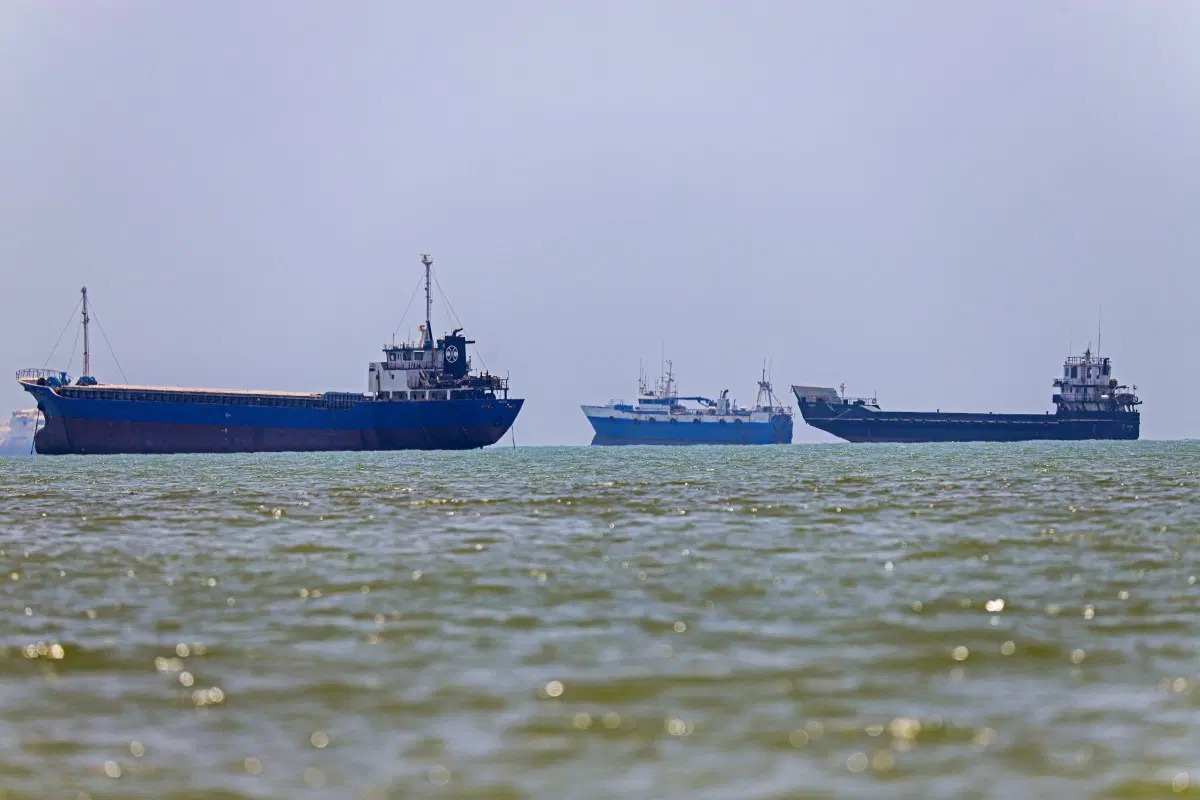
The Iranian Ministry’s remarks follow a series of marine contamination events recorded in vital shipping corridors. Last week, an oil slick drifted into the Strait of Hormuz, washing ashore near Qeshm Island. The spill contaminated public beaches and threatened ecologically sensitive mangrove forests.
Baqaei previously cited preliminary evidence pointing toward a foreign bulk carrier as the origin of the leak. While Iranian emergency teams reported that the affected shoreline on Qeshm had been fully cleaned up, Tehran has demanded financial compensation.
Simultaneously, official state media in Oman confirmed an oil slick reached its coastline after a grounded tanker, damaged by localised explosions remained stranded off Al-Qibliyyah Island.
Iranian officials contend that environmental conditions surrounding the Strait of Hormuz must become a non-negotiable factor in any future security or administrative arrangements for the maritime choke point.
Deputy Foreign Minister Kazem Gharibabadi echoed Baqaei’s statements in earlier remarks, asserting that foreign military dominance and escalating naval warfare continue to place fragile marine ecosystems, local fishing populations, and coastal communities in direct peril.
United States military officials have not officially responded to the accusations presented during Monday’s press conference.